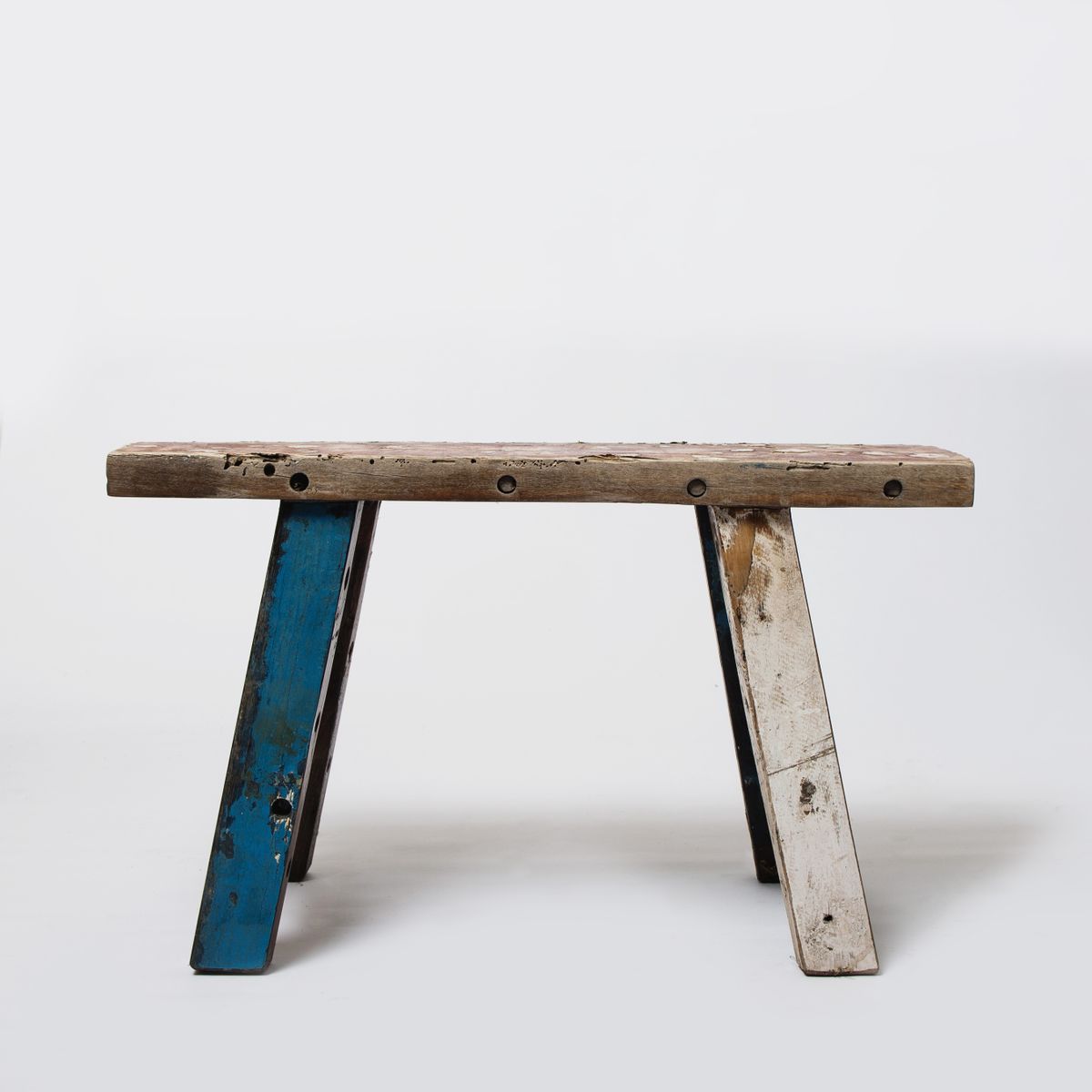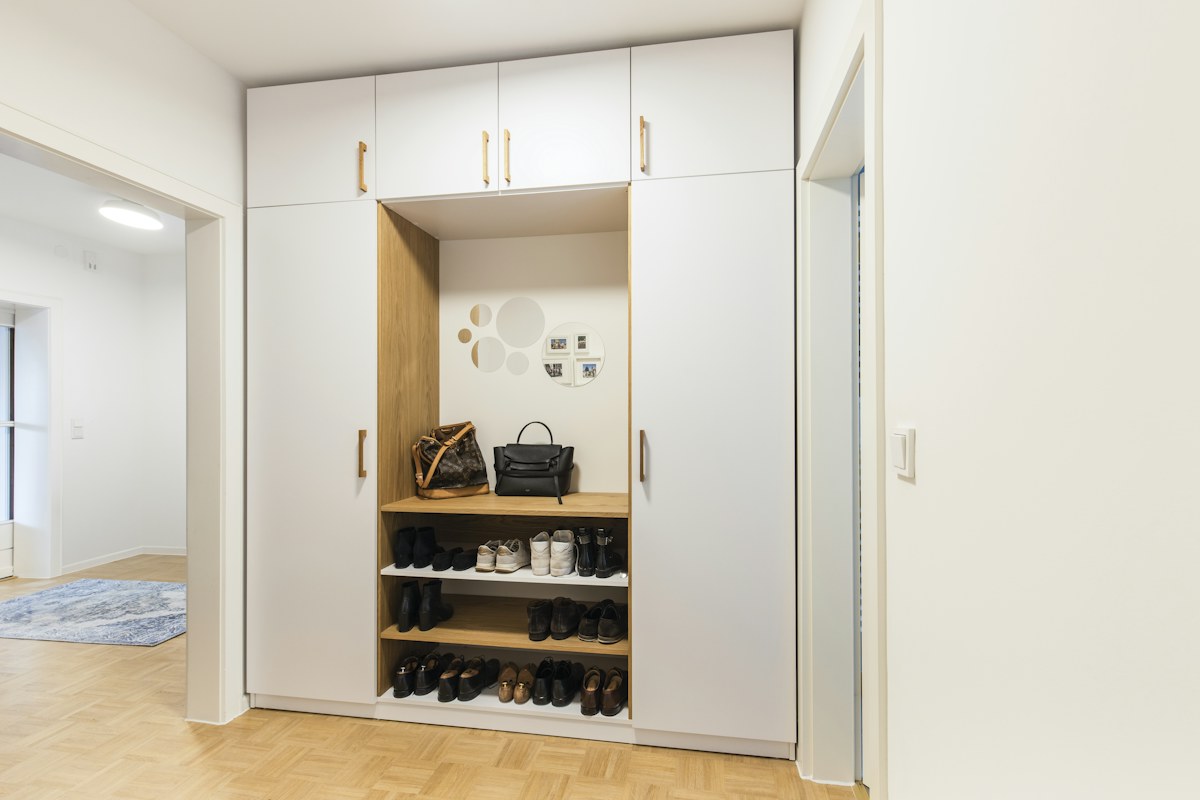
A shoe drop zone that keeps the hallway clear
The best shoe storage starts with the route through your front door, not with the size of a new cabinet. Give wet shoes somewhere sensible to land, then keep the rest out of the way.
Read the guide ↗Straightforward advice for looking after your home. Search a job, an object or a room, then start with a manageable step.

132 guides
The best shoe storage starts with the route through your front door, not with the size of a new cabinet. Give wet shoes somewhere sensible to land, then keep the rest out of the way.
Read the guide ↗A container can look tidy from above while water is collecting below. A quick look at the pot, its saucer and the surface underneath helps you spot a drainage problem before adding more water.
Read the guide ↗Under a bed is useful storage only when you can get things out without rearranging the room. Plan the opening, the contents and the cleaning access before choosing boxes.
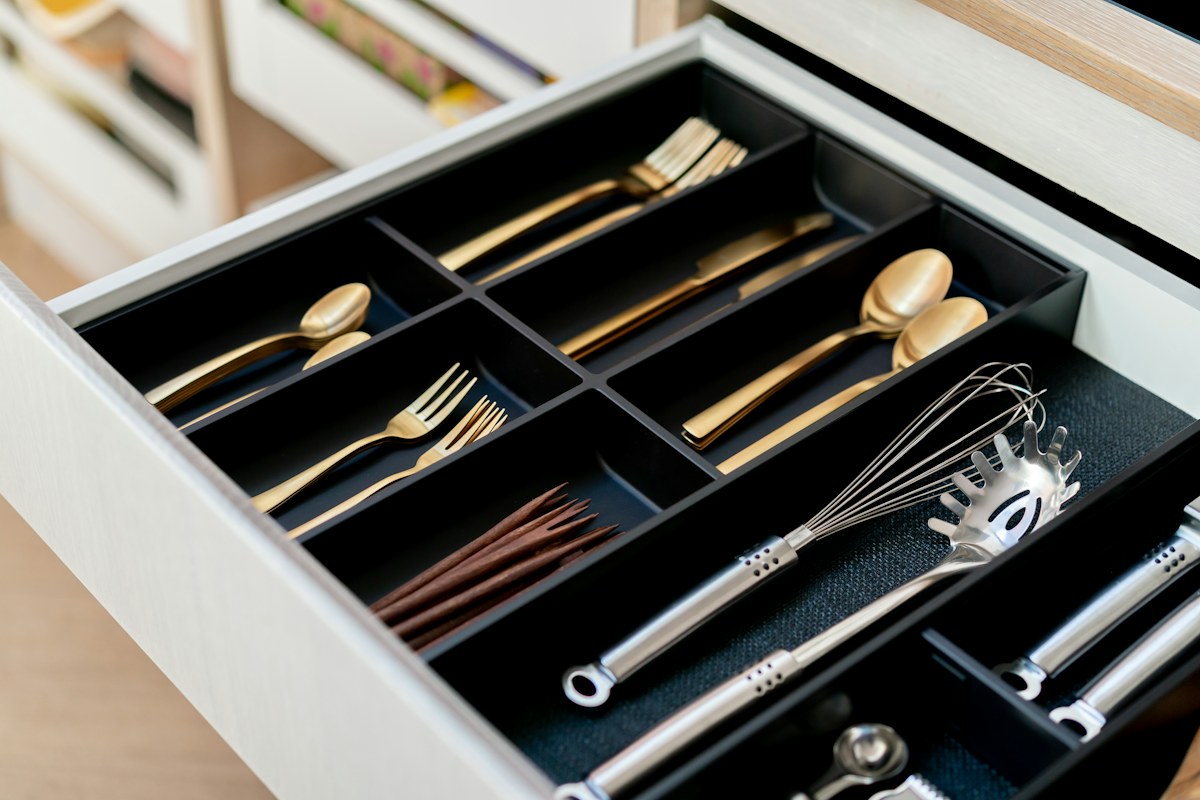
Read the guide ↗A drawer organiser should follow your belongings, not force them into an attractive but awkward grid. Start with a small selection of everyday items and leave room for your fingers.
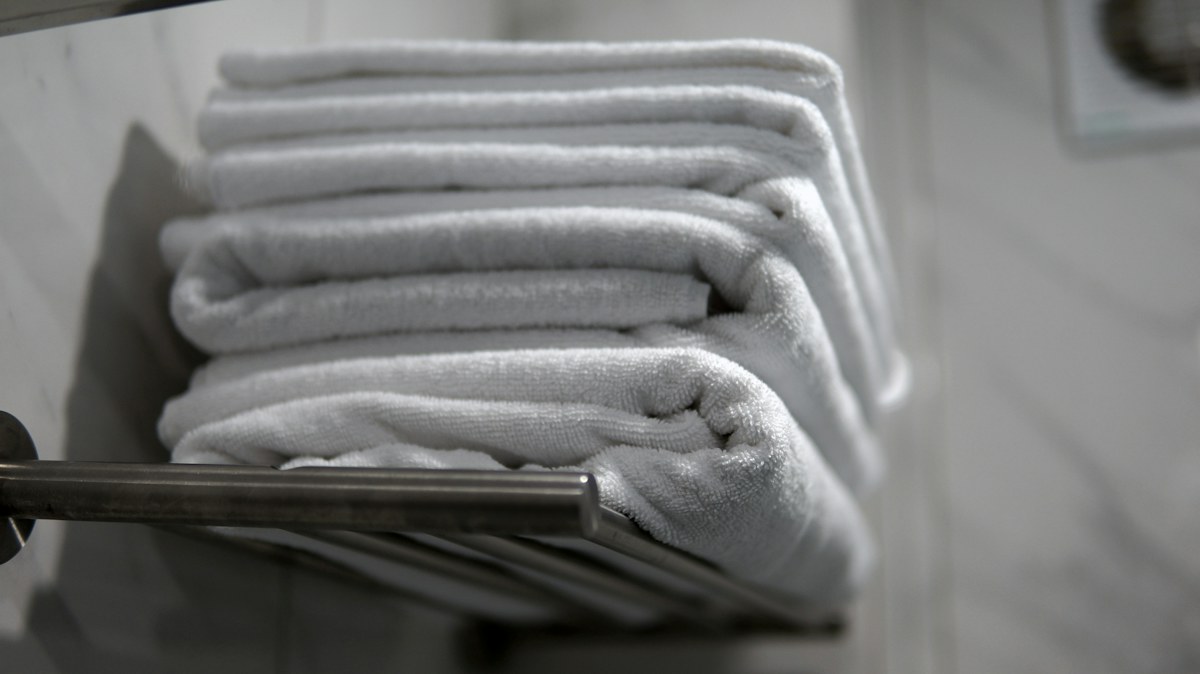
Read the guide ↗A linen cupboard works best when clean bedding is easy to identify and towels can be removed without pulling down the whole stack. Space matters more than elaborate folding.
Read the guide ↗Changing seasons does not require emptying every cupboard at once. Move the clothes that are clearly out of season, then make the next few weeks easier to dress for.
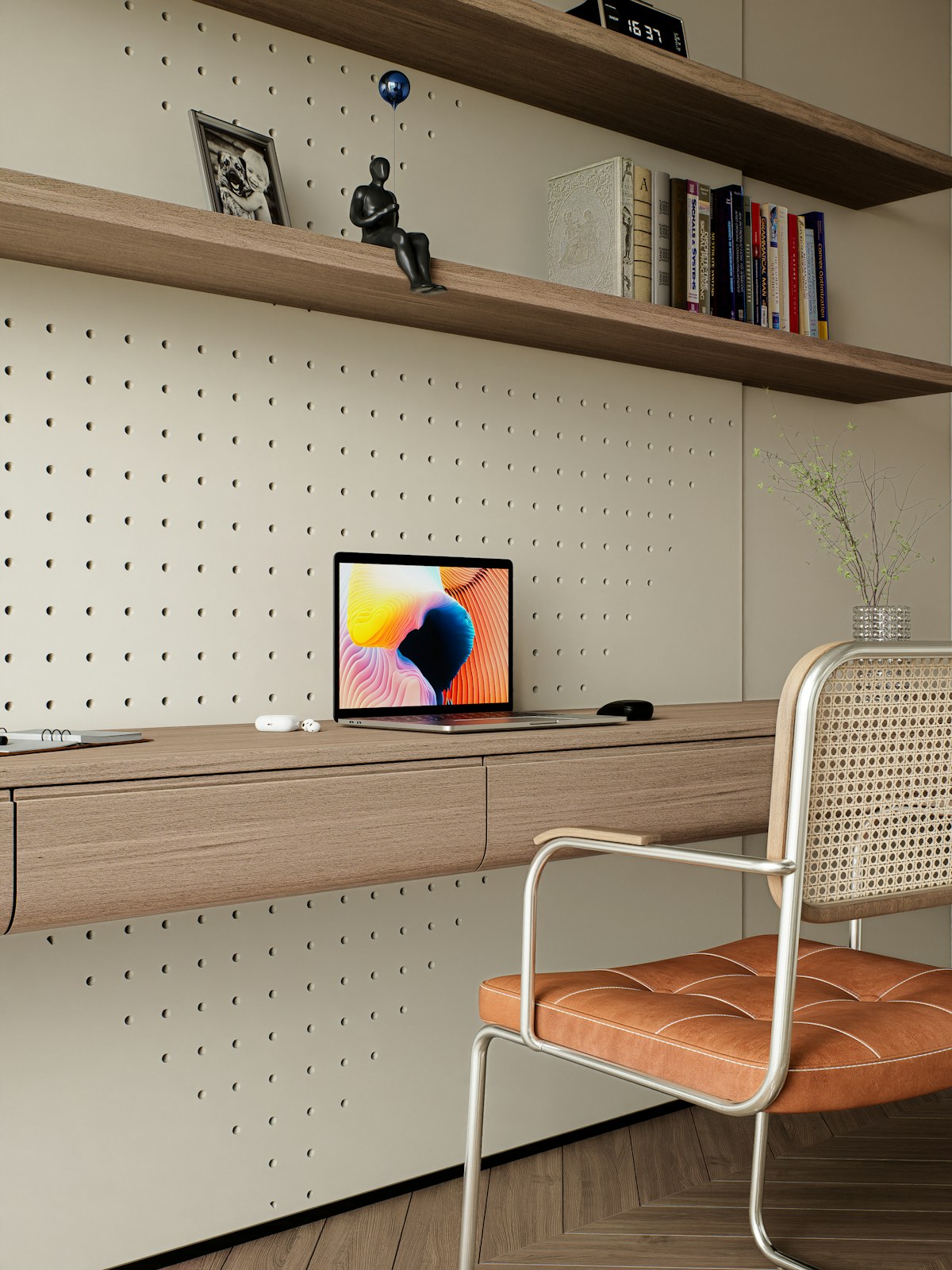
Read the guide ↗The usable size of a desk is the clear space in front of you, not its advertised width. Separate the things you need while working from the things that simply live nearby.
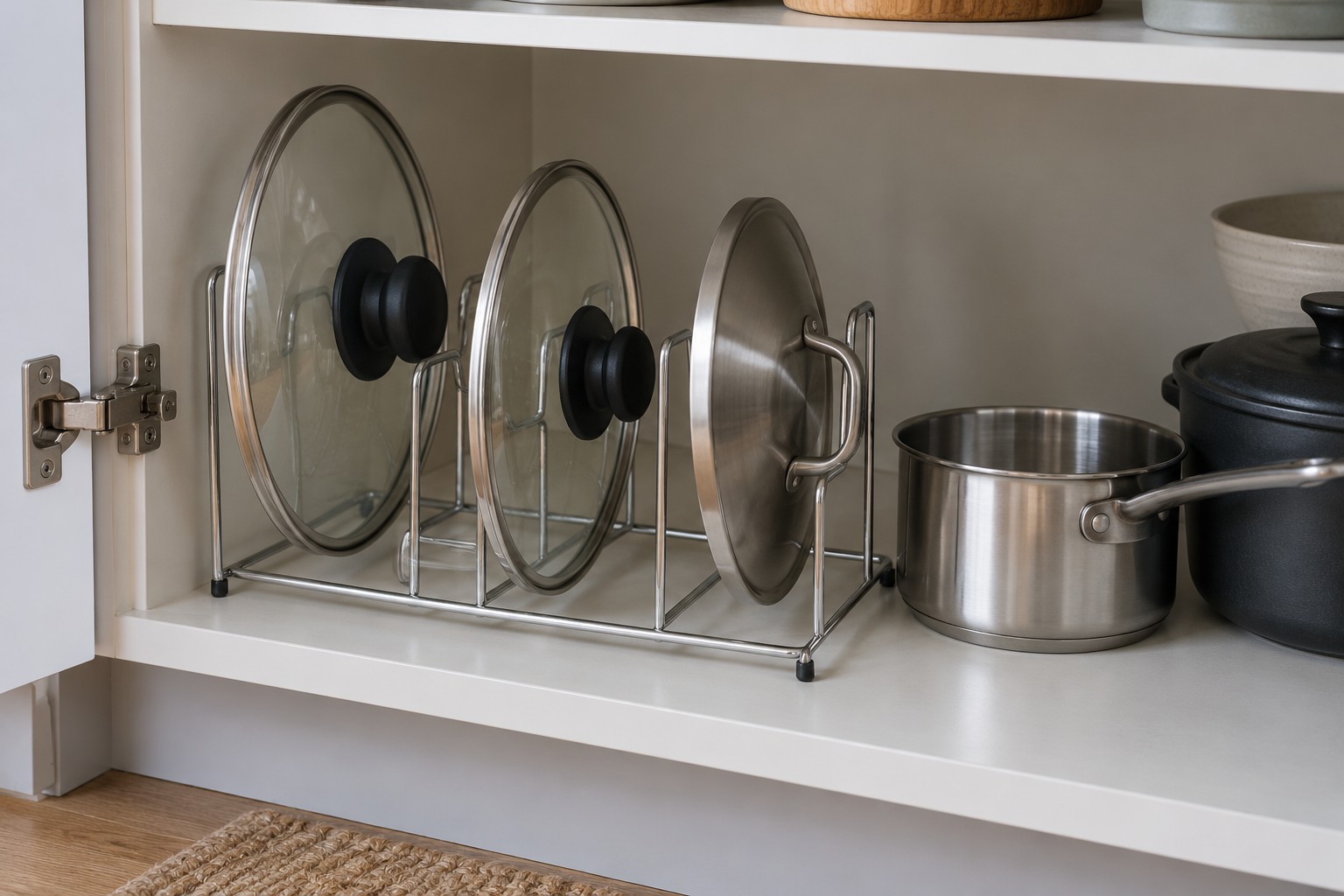
Read the guide ↗Pan lids are awkward because their handles interrupt a neat stack. Match them to the pans first, then choose a layout that lets you lift one without starting a cupboard avalanche.
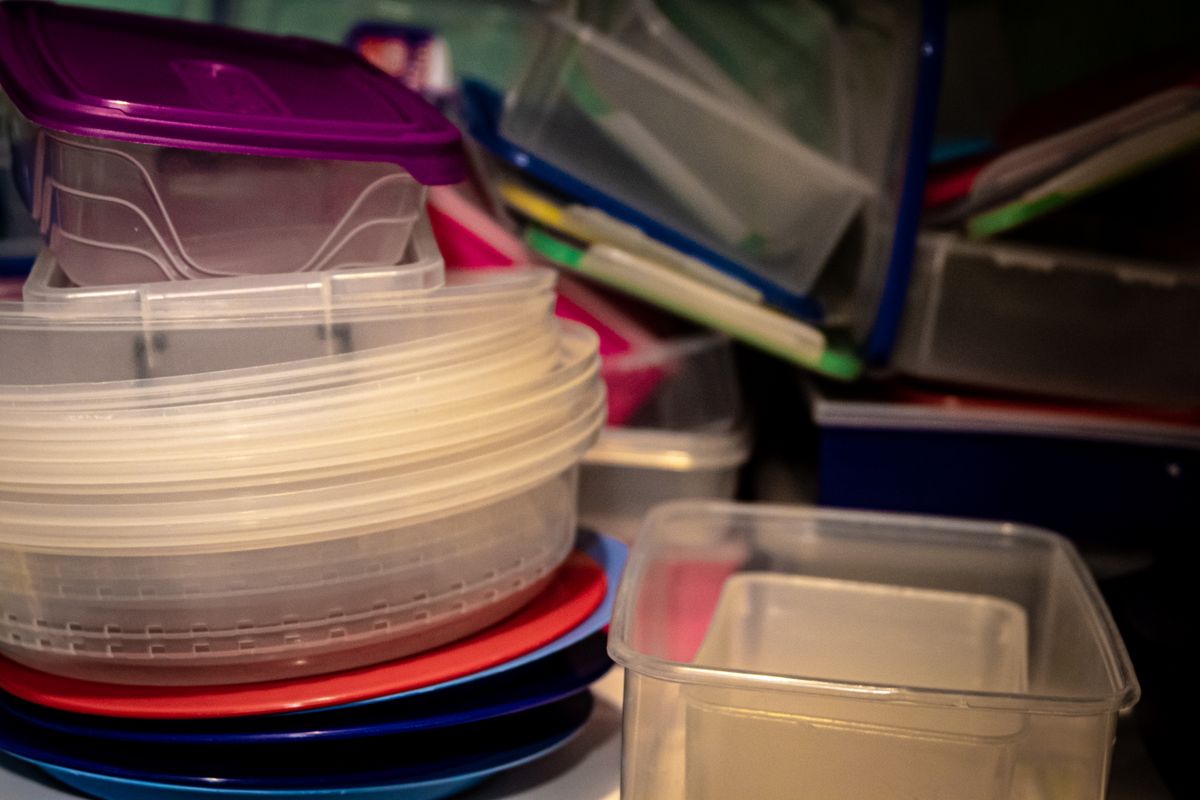
Read the guide ↗Food containers take up more room when their lids are scattered. A quick matching session and a simple size order can recover cupboard space without buying another organiser.
Read the guide ↗A bookshelf should help you find a book and put it back. Begin with the books you reach for, then balance the shelf load and leave some useful breathing room.
Read the guide ↗A toy rotation is a storage choice, not a rule about how children should play. Keep favourite things accessible and use a modest reserve box for toys that are temporarily out of the way.
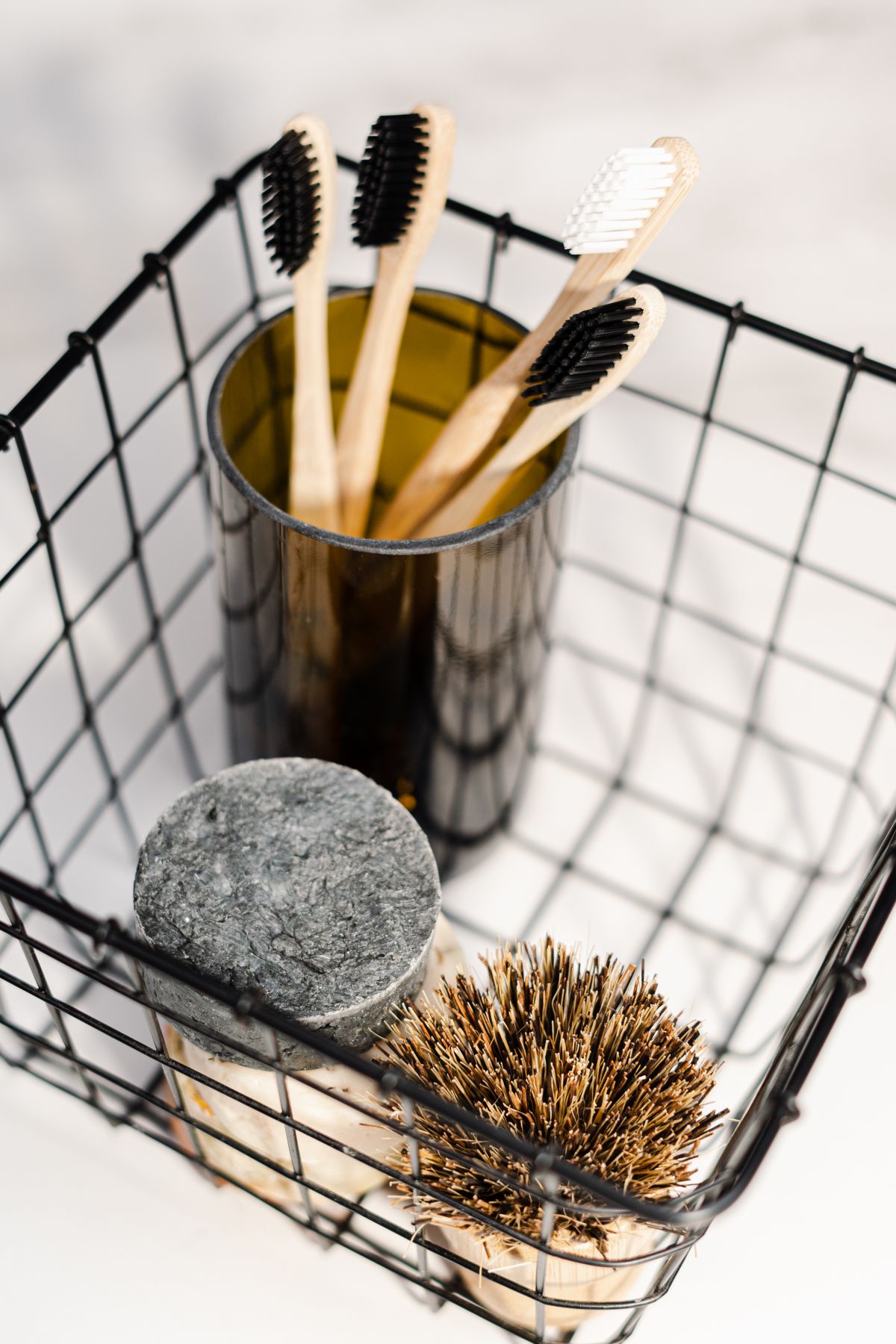
Read the guide ↗A small bathroom feels less crowded when daily products have one place and spares live somewhere else. Choose the contents before choosing a basket.
Read the guide ↗In a narrow hallway, preserving the route matters more than adding storage. Measure the awkward spots and test a small freestanding option before committing to new furniture.
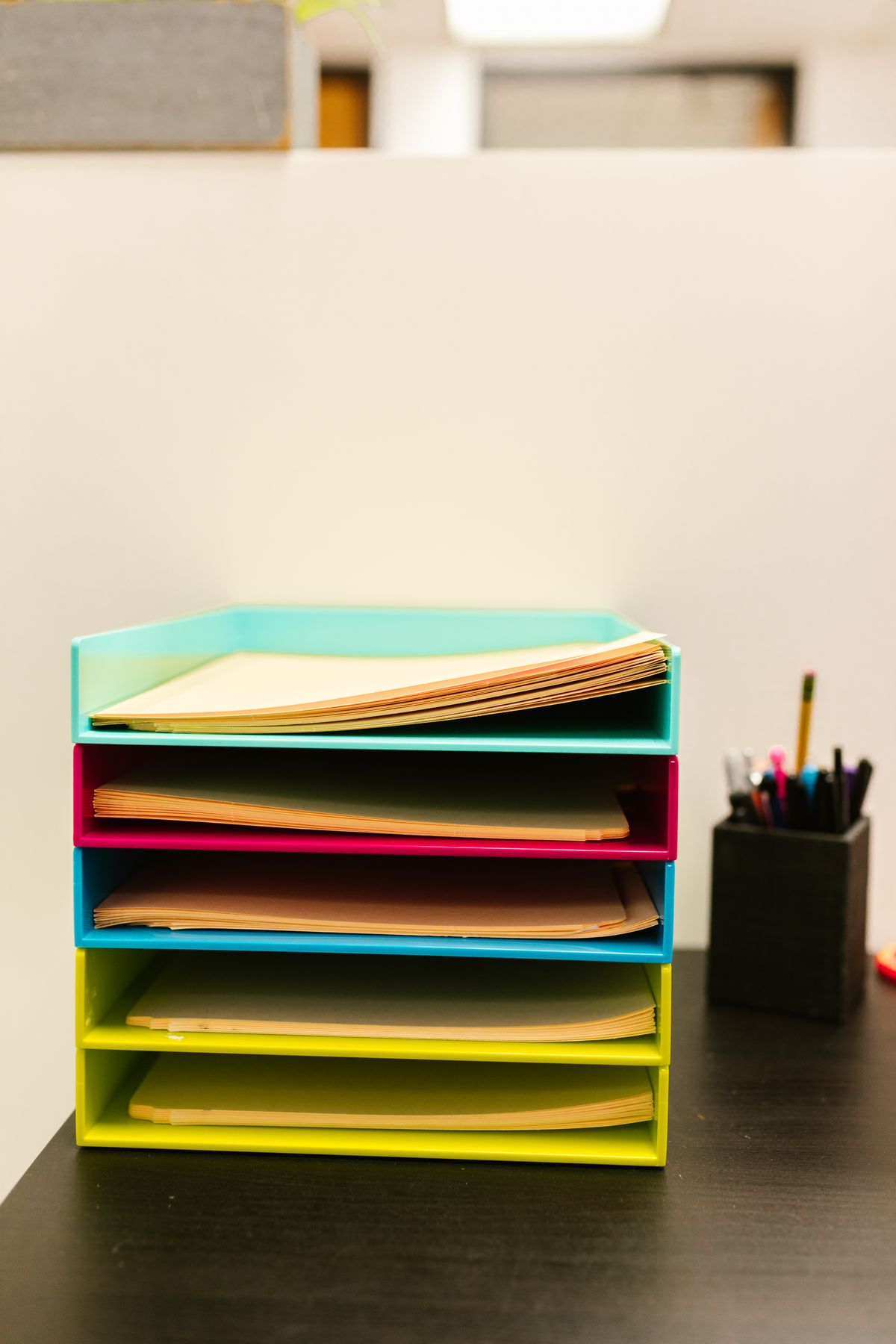
Read the guide ↗A household inbox is a place for papers awaiting a decision, not a permanent home for every document. Give it a clear boundary and a regular moment of attention.
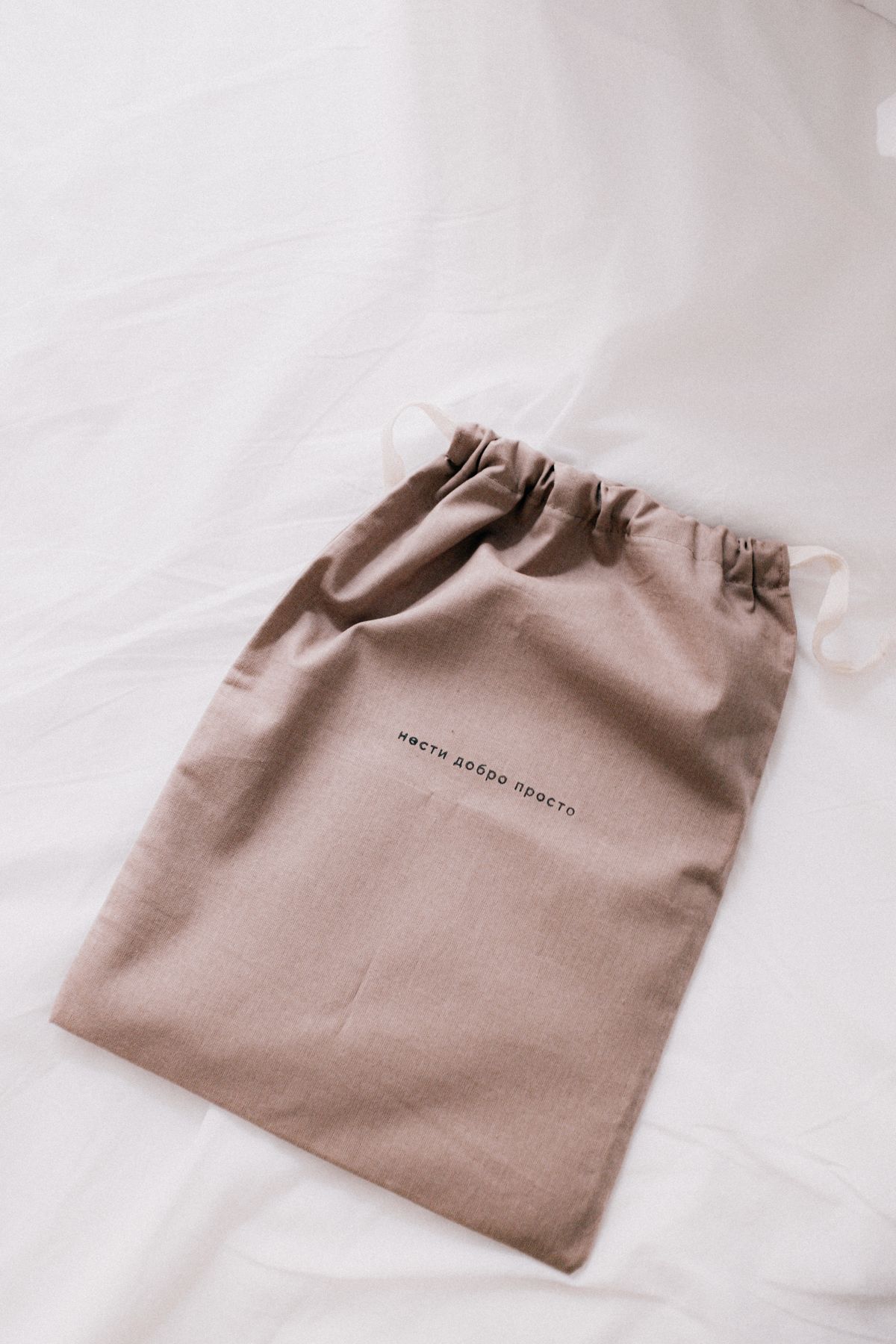
Read the guide ↗A cupboard full of reusable bags is not useful if you leave home without one. Keep a small working set close to your normal departure routine and store the rest deliberately.
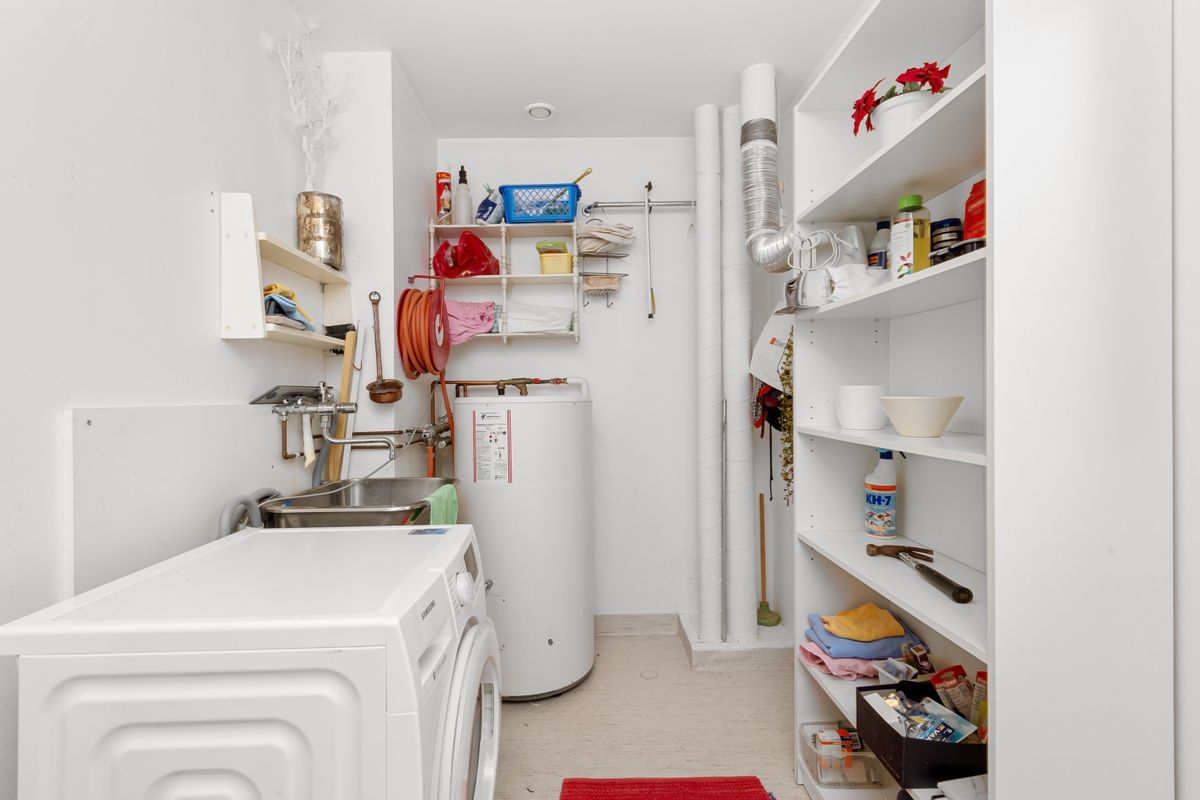
Read the guide ↗A utility shelf becomes easier to manage when it holds one useful group rather than everything that has no other home. Separate laundry supplies, cleaning products and miscellaneous spares.
Read the guide ↗An empty suitcase can hold occasional travel items, but it should not become a forgotten cupboard. Dry it, inspect it and keep the contents easy to identify before putting it away.
Read the guide ↗A useful craft box makes it easy to begin and easy to stop. Build it around one activity, with a separate place for unfinished work and a realistic limit on spare materials.
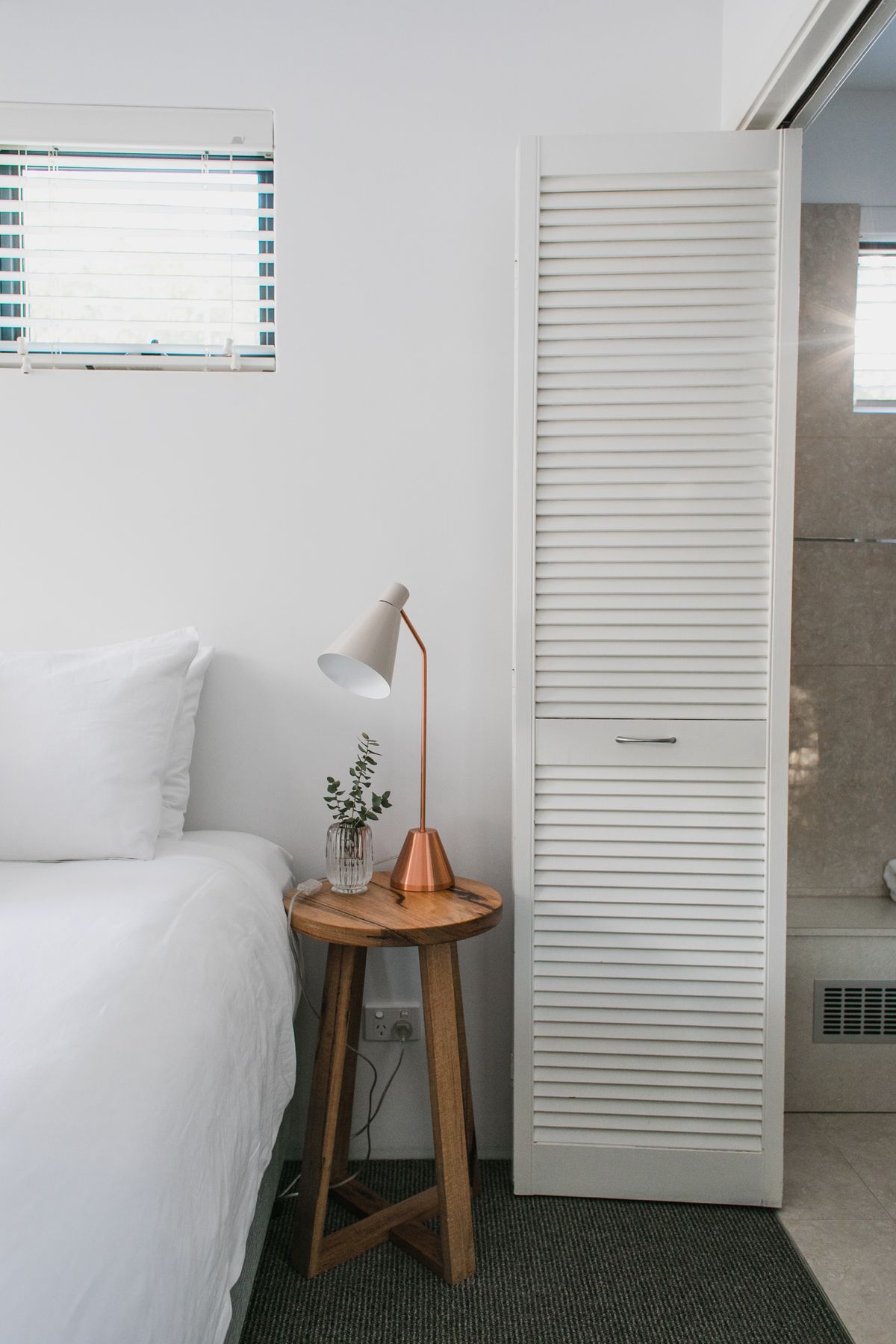
Read the guide ↗A bedside table needs room for a few things you use at night, not a miniature version of every other drawer. Start with the surface, then give the drawer one clear purpose.
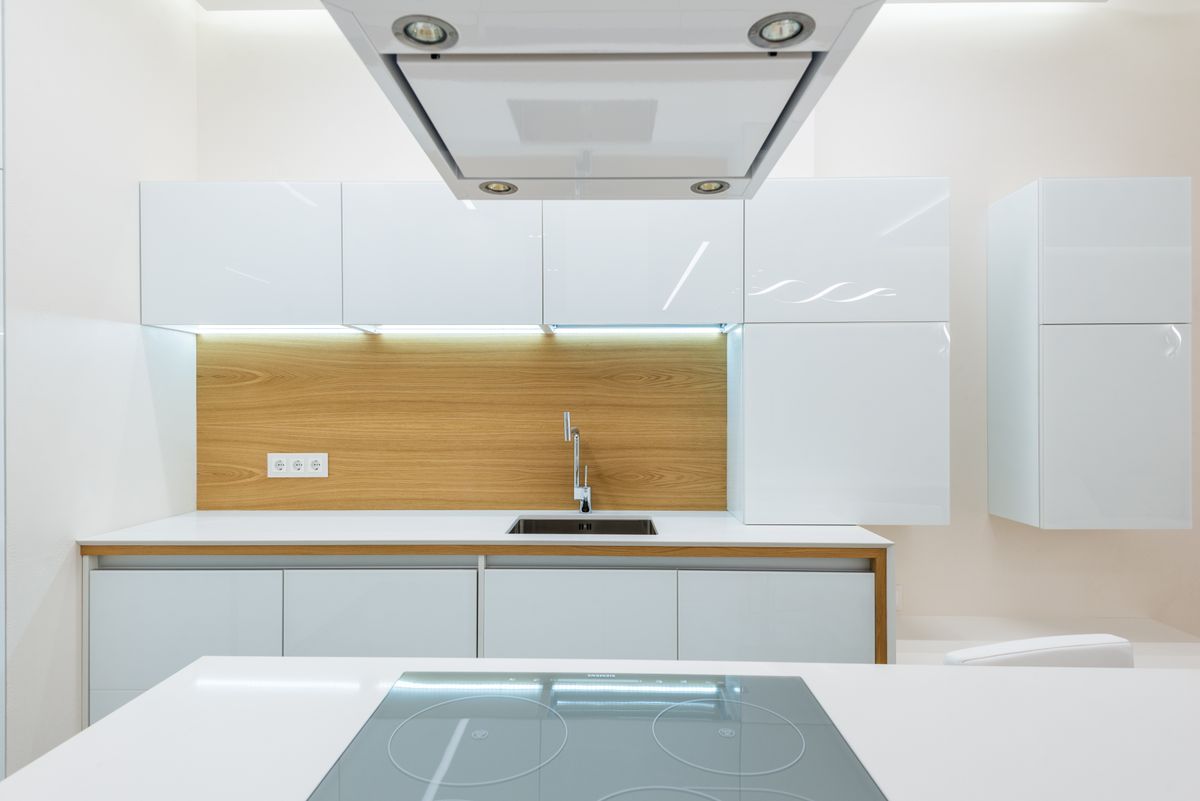
Read the guide ↗A small kitchen can feel more usable when one part of the worktop is genuinely available for preparing food. Decide what that space must do before moving appliances around.
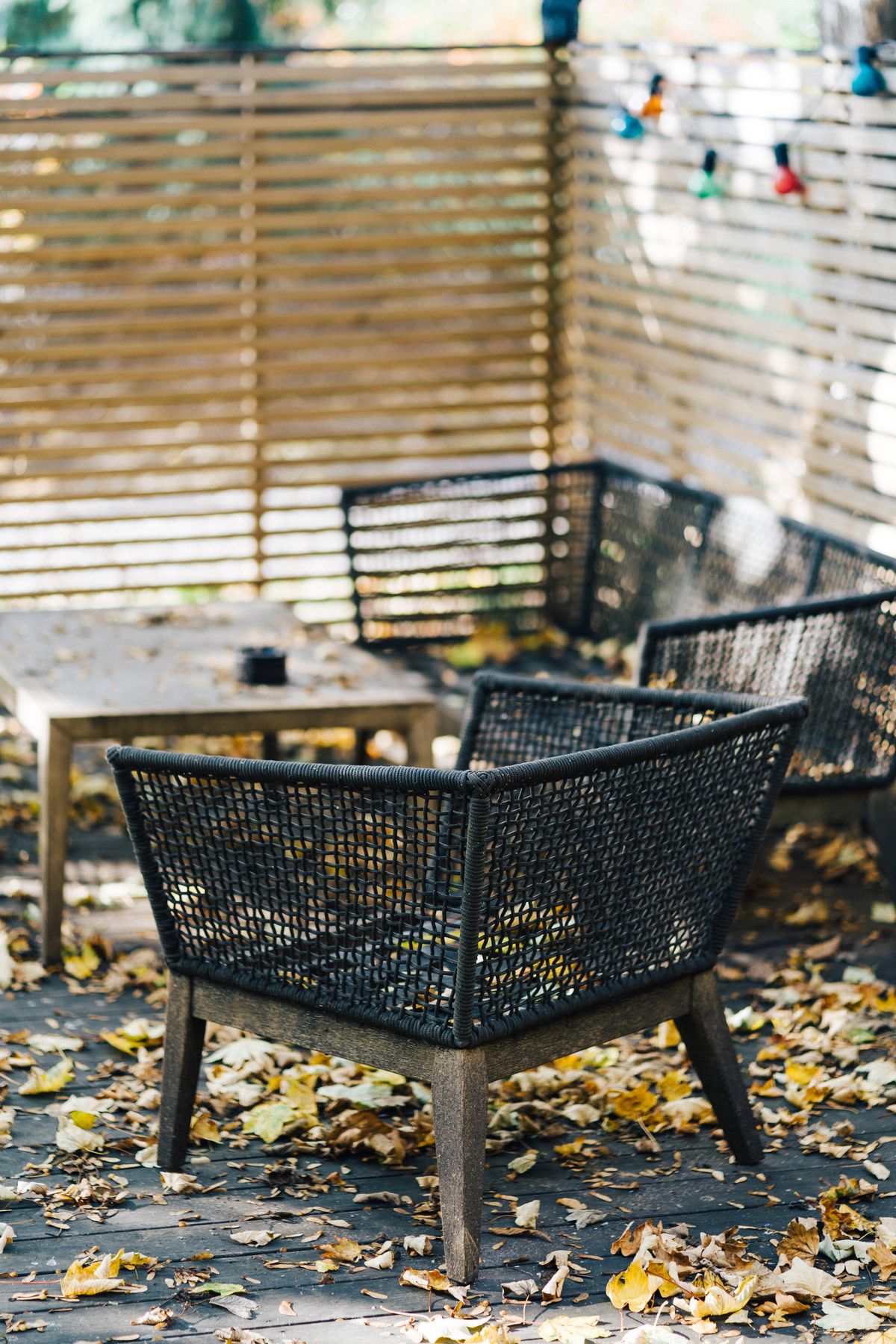
Read the guide ↗A layer of wet leaves can hide the surface beneath and make a patio awkward to cross. Clear the loose material gently before deciding whether the paving needs any further cleaning.
Read the guide ↗Outdoor fabric is not necessarily suitable for being packed away wet. Check the cushion label, allow the inner filling to dry and choose storage that will not trap yesterday's rain.
Read the guide ↗A hose is easier to put away when you follow its natural curve and avoid forcing sharp bends. Clear a little space first, then make loose, consistent loops.
Read the guide ↗Old leaves and grit can collect inside a watering can and block the rose. Empty it, inspect the outlet and use a gentle clean suited to the material before putting it back into service.
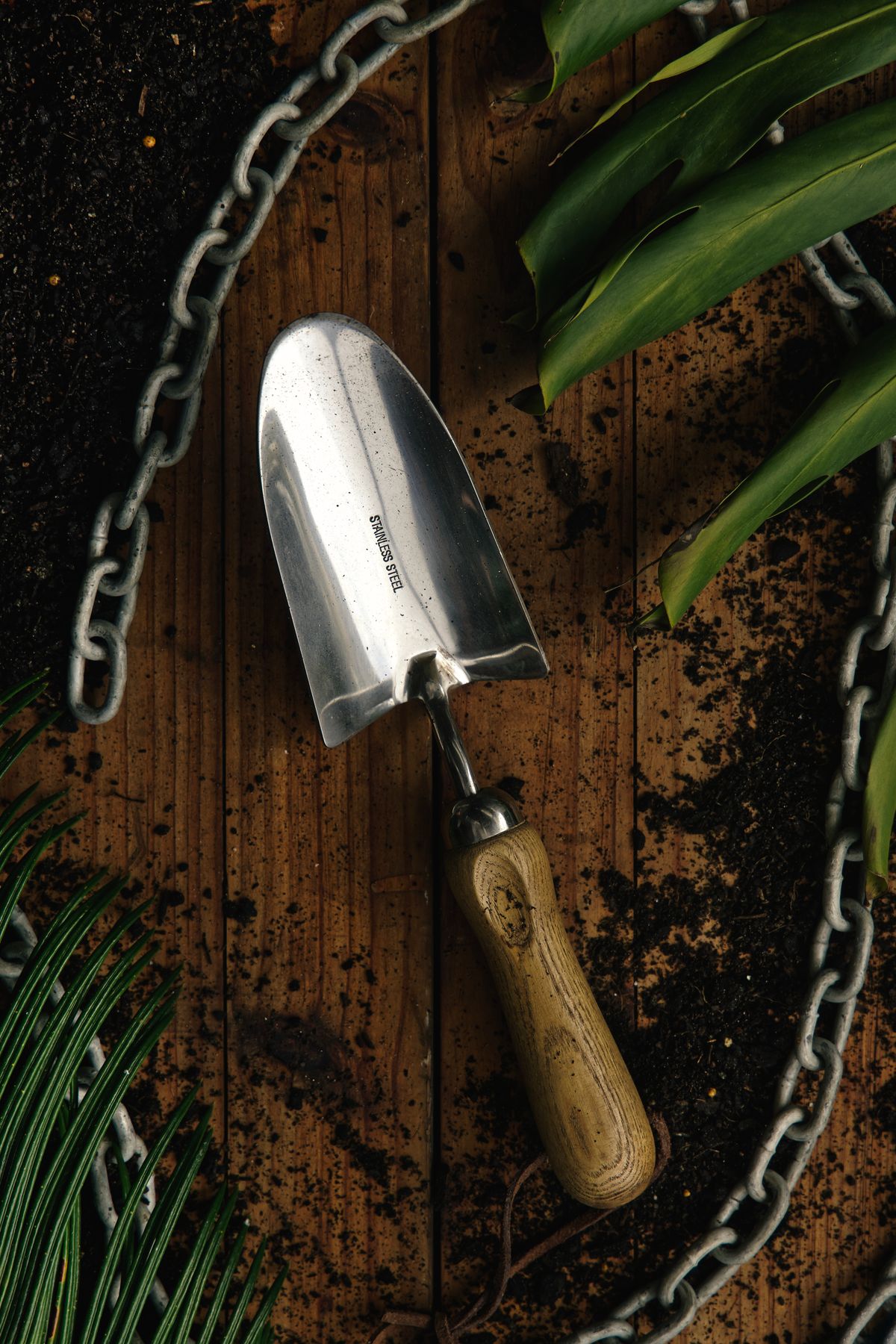
Read the guide ↗A trowel or hand fork is easier to inspect when it is not covered in yesterday's soil. Remove loose dirt, dry the tool and give it a storage position that protects its working end.
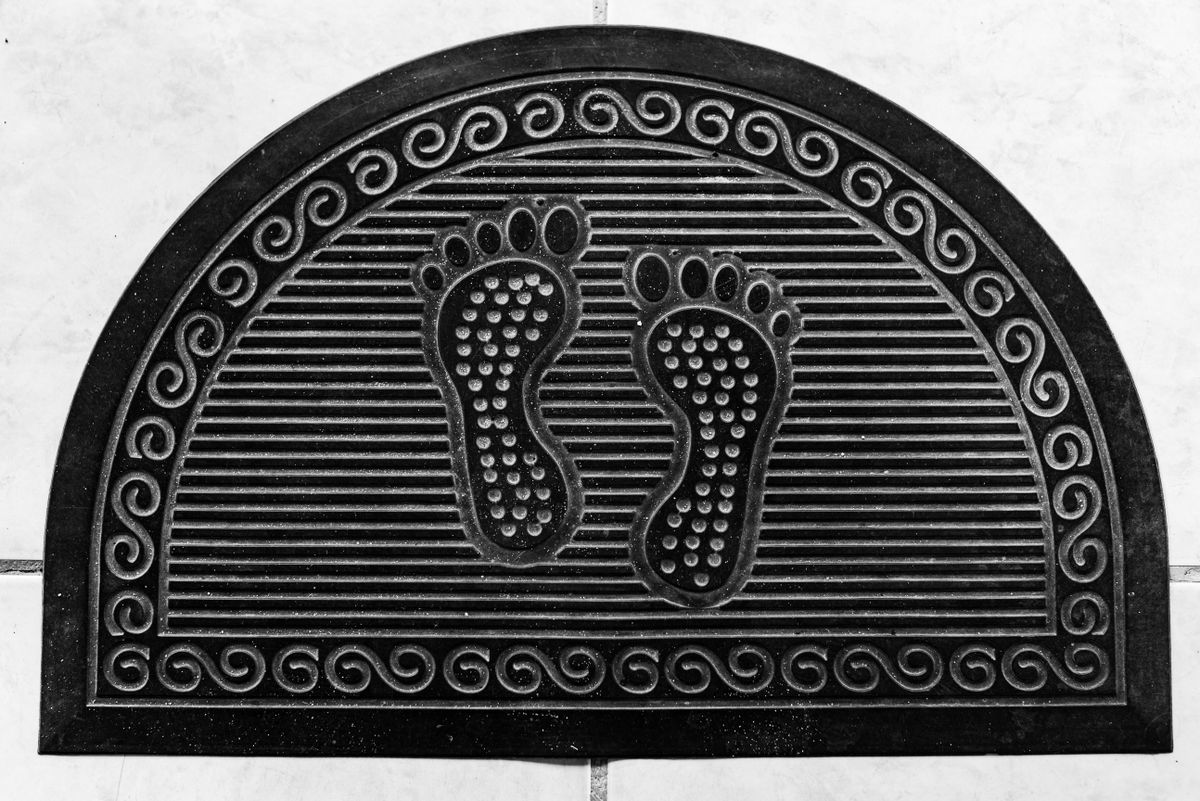
Read the guide ↗A doormat should help at the threshold without becoming a trip hazard. Think about the door's movement, the surface below and the kind of dirt arriving on your shoes.
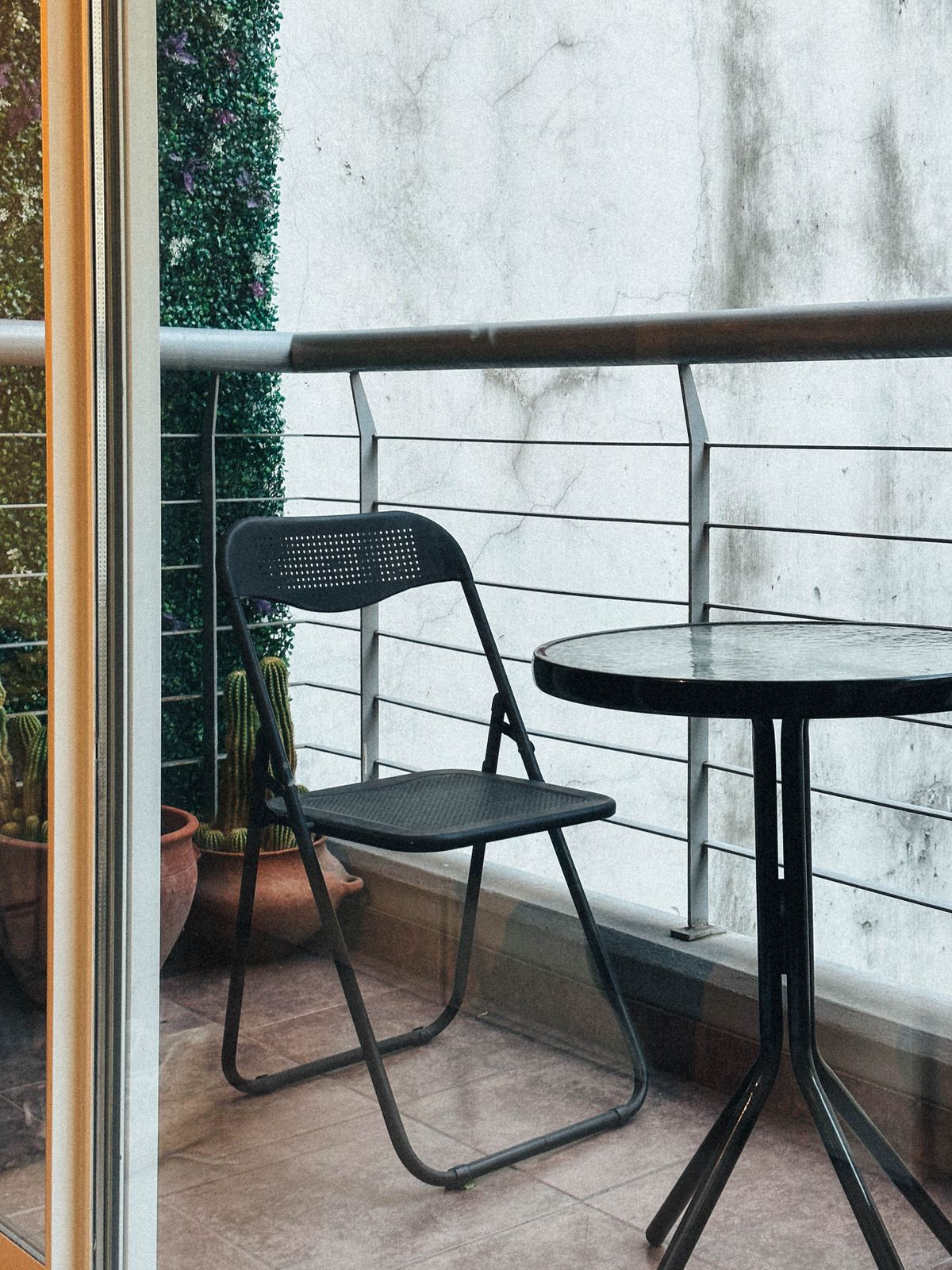
Read the guide ↗On a small balcony, a clear route and a stable place to sit matter more than fitting in another planter. Start with the building rules and the space the door actually needs.
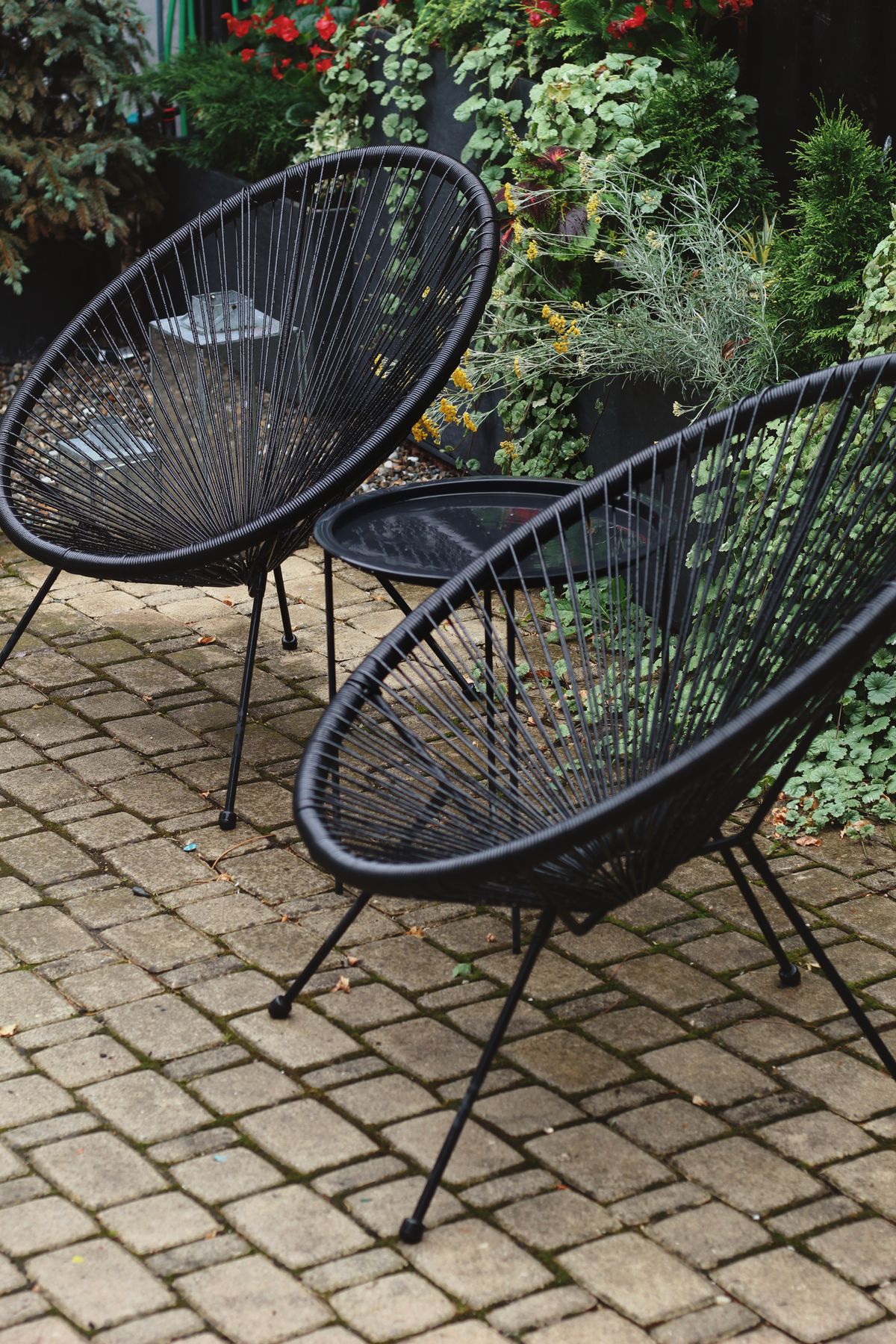
Read the guide ↗Before setting a garden chair back into regular use, check its joints, feet and moving parts. A clean seat is not enough if the frame has deteriorated during storage.
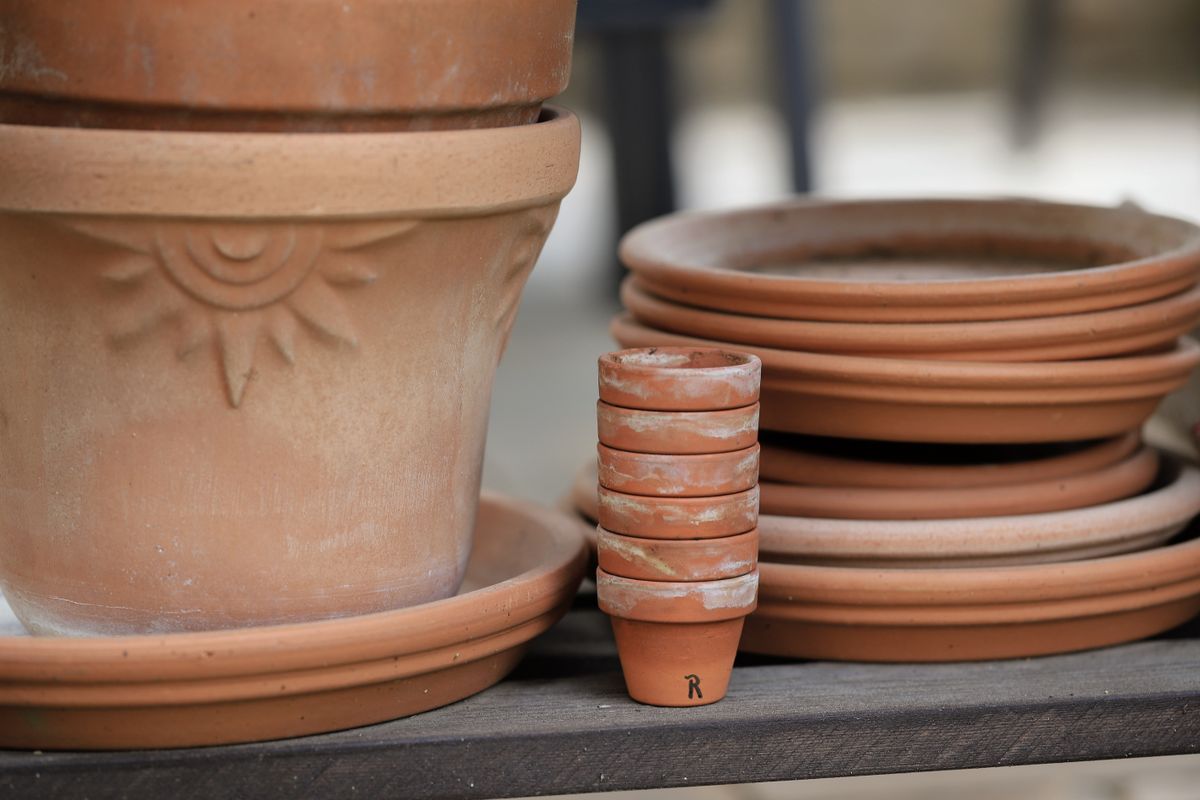
Read the guide ↗A pile of spare pots is useful only if the pots come apart when you need them. Remove old material, let them dry and stack compatible sizes without wedging them together.
Read the guide ↗A useful plant label records enough information to identify the plant later, in a form that survives its location. Keep the wording simple and test the marker before labelling every pot.
Read the guide ↗A clear route through a shed is more valuable than a perfect wall display. Begin at the doorway, move one manageable group at a time and avoid turning storage into a balance test.
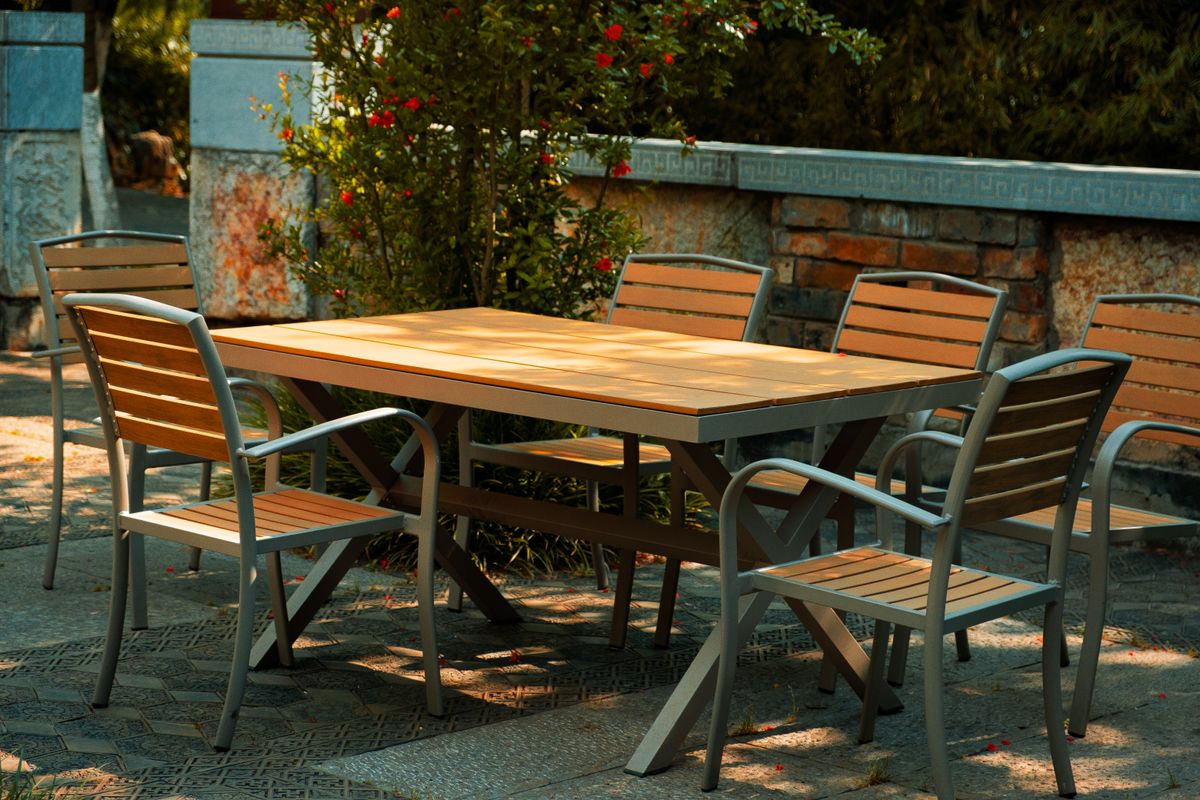
Read the guide ↗Outdoor tables face crumbs, spills and changing weather. A gentle routine suited to the material is more useful than repeatedly applying a strong cleaner to every surface.
Read the guide ↗The front step deserves a clear view before it becomes wet, dark or crowded with deliveries. Look for loose objects, visible damage and water collecting where people place their feet.
Read the guide ↗A group of pots is easier to look after when you can reach each one and see what it needs. Arrange around light, plant requirements and access before focusing on height or colour.
Read the guide ↗A door that rubs is not automatically a door that needs planing. Find the contact point and check whether the problem is occasional or persistent before changing anything.
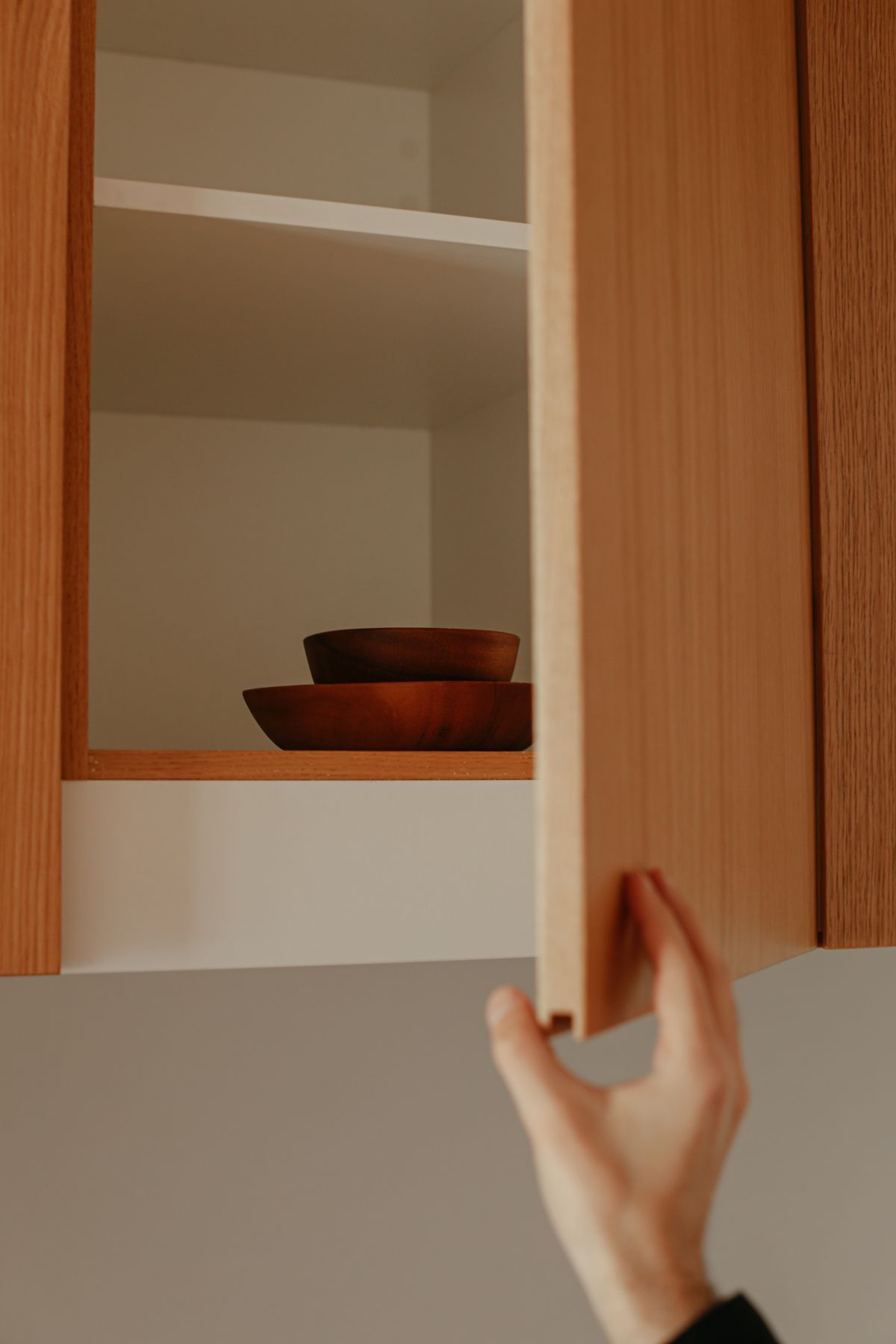
Read the guide ↗Uneven cupboard gaps can make an otherwise tidy kitchen look crooked. Small adjustments may help, but only after you identify the hinge and rule out loose or damaged mounting points.
Read the guide ↗A draught strip works only when it matches the gap and allows the door or window to close normally. Inspect its condition before buying the thickest replacement you can find.
Read the guide ↗Water on the inside of cold glass needs a practical morning routine and an understanding of moisture sources. Wiping helps protect nearby finishes, but it does not explain every damp patch.
Read the guide ↗Rotating a mattress can distribute use, but flipping and rotating are not the same task. Start with its care label so you do not turn a one-sided mattress onto the wrong face.
Read the guide ↗A quick visual check of grout can reveal changes worth reporting before tiles become loose. The aim is to record defects, not to scrape out joints or disguise an unexplained damp problem.
Read the guide ↗Chair pads collect grit and gradually lose adhesion. Replacing a poor pad can protect a floor, but the pad material and the condition of the chair foot both matter.
Read the guide ↗Curtains that catch may have tangled fabric, a damaged glider or a dirty accessible track. Diagnose the snag at a manageable height before spraying lubricant into the mechanism.
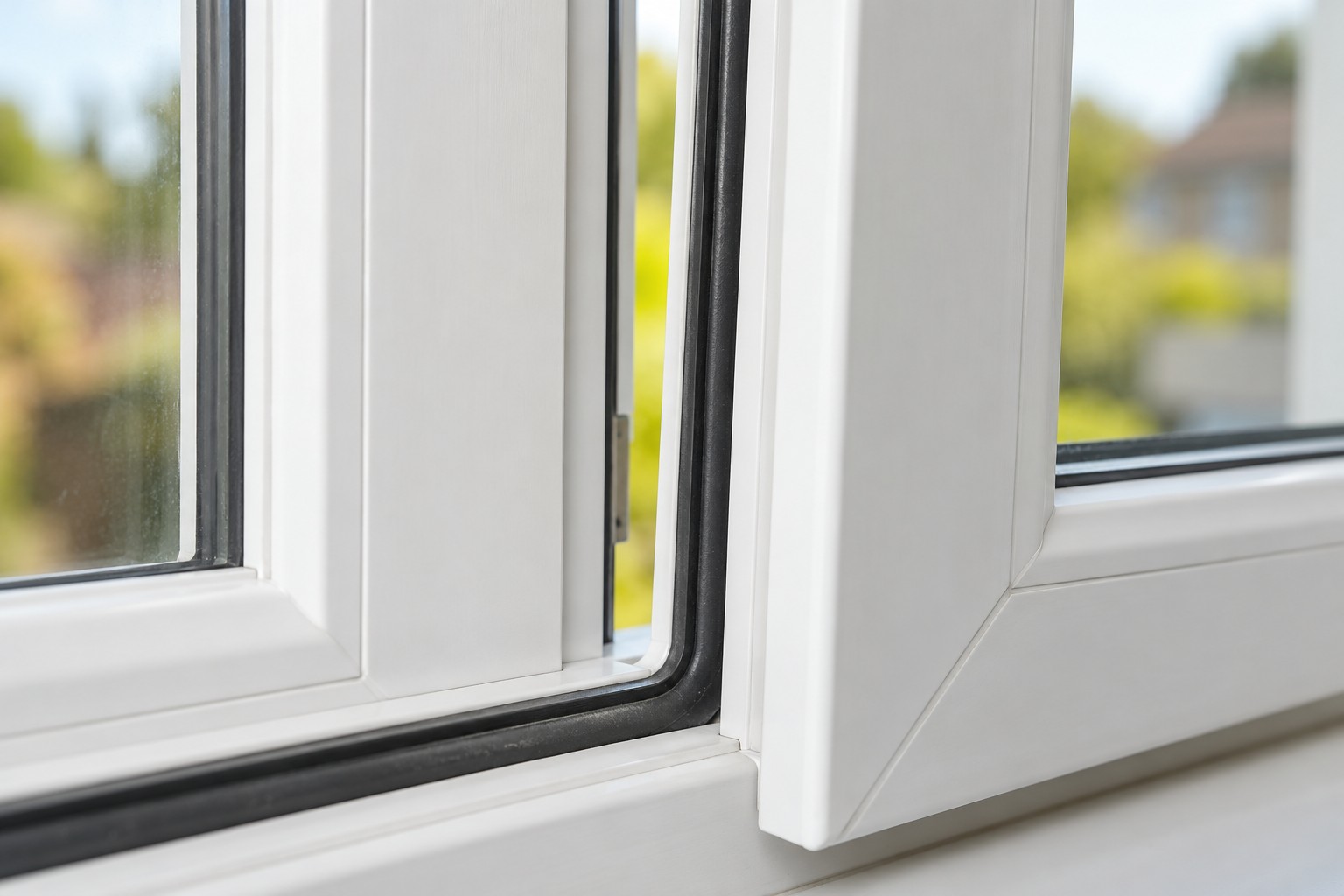
Read the guide ↗Loose debris in an accessible window channel is best removed gently. This is a surface-care task, not a reason to dismantle a frame or push tools into concealed drainage routes.
Read the guide ↗A small squeak from an ordinary interior hinge may respond to suitable lubrication. First make sure the noise is actually at the hinge and that the hardware is firmly attached.
Read the guide ↗A dragging drawer may simply be overfilled or have an object caught behind it. Start by reducing the load rather than forcing the runners or pulling the drawer free.
Read the guide ↗A loose handle is often straightforward to snug up, provided its screw and mounting hole are sound. Support both sides so the handle does not spin against the finish.
Read the guide ↗Before adding a wedge under a dining table, work out whether the floor, adjustable feet or table joints are responsible. A table that rocks on sound legs is different from one whose frame is loose.
Read the guide ↗Different cushion fillings need different treatment. A little routine care can keep removable cushions looking more even, but vigorous beating or flipping may be wrong for a particular design.
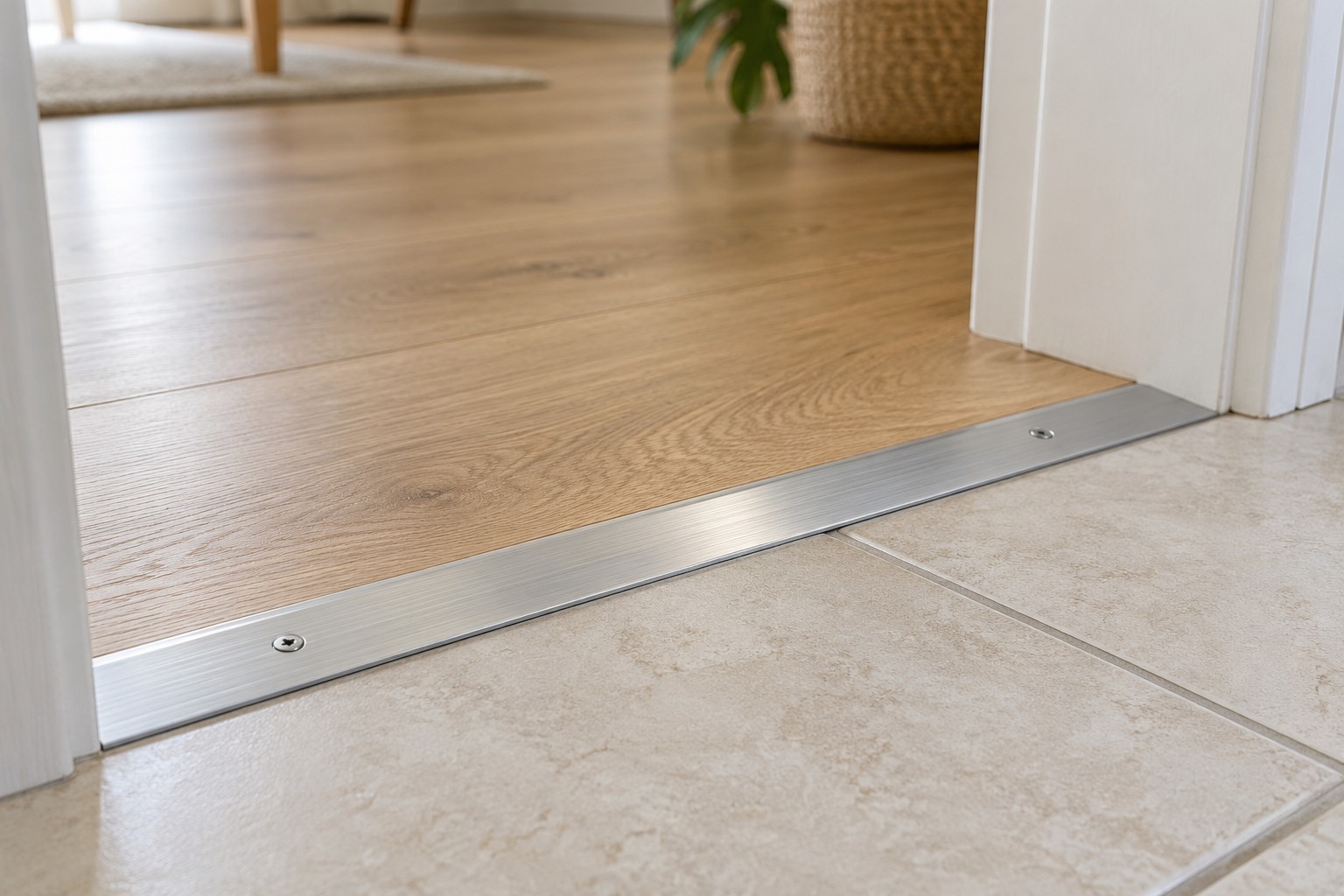
Read the guide ↗A raised or shifting threshold can catch a shoe long before it looks badly damaged. Inspect it in good light and keep the area clear while deciding who should repair it.
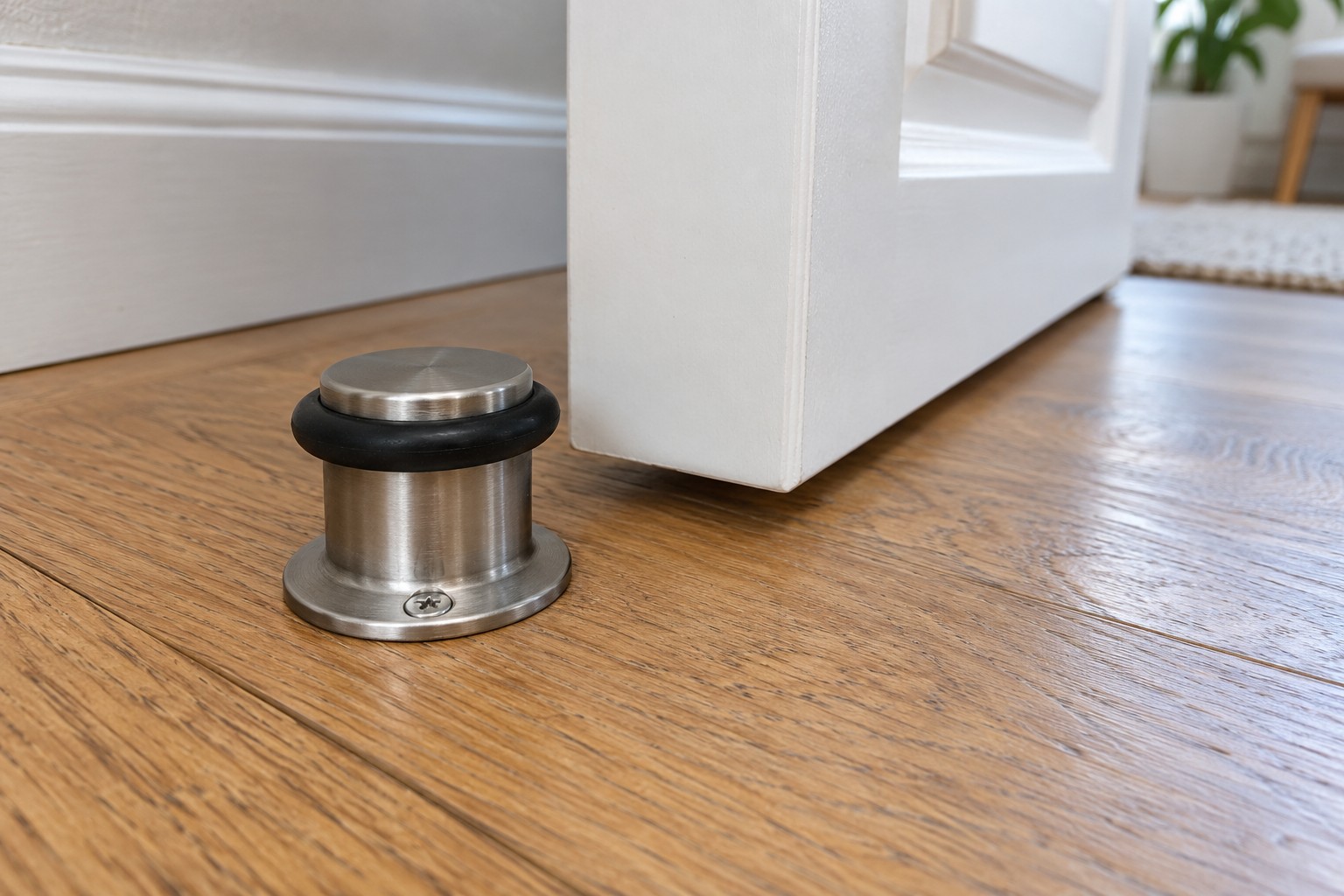
Read the guide ↗A worn bumper can let a handle strike paintwork or furniture. Replacing it is useful only if the stop is in the correct position and the door still has its required movement.
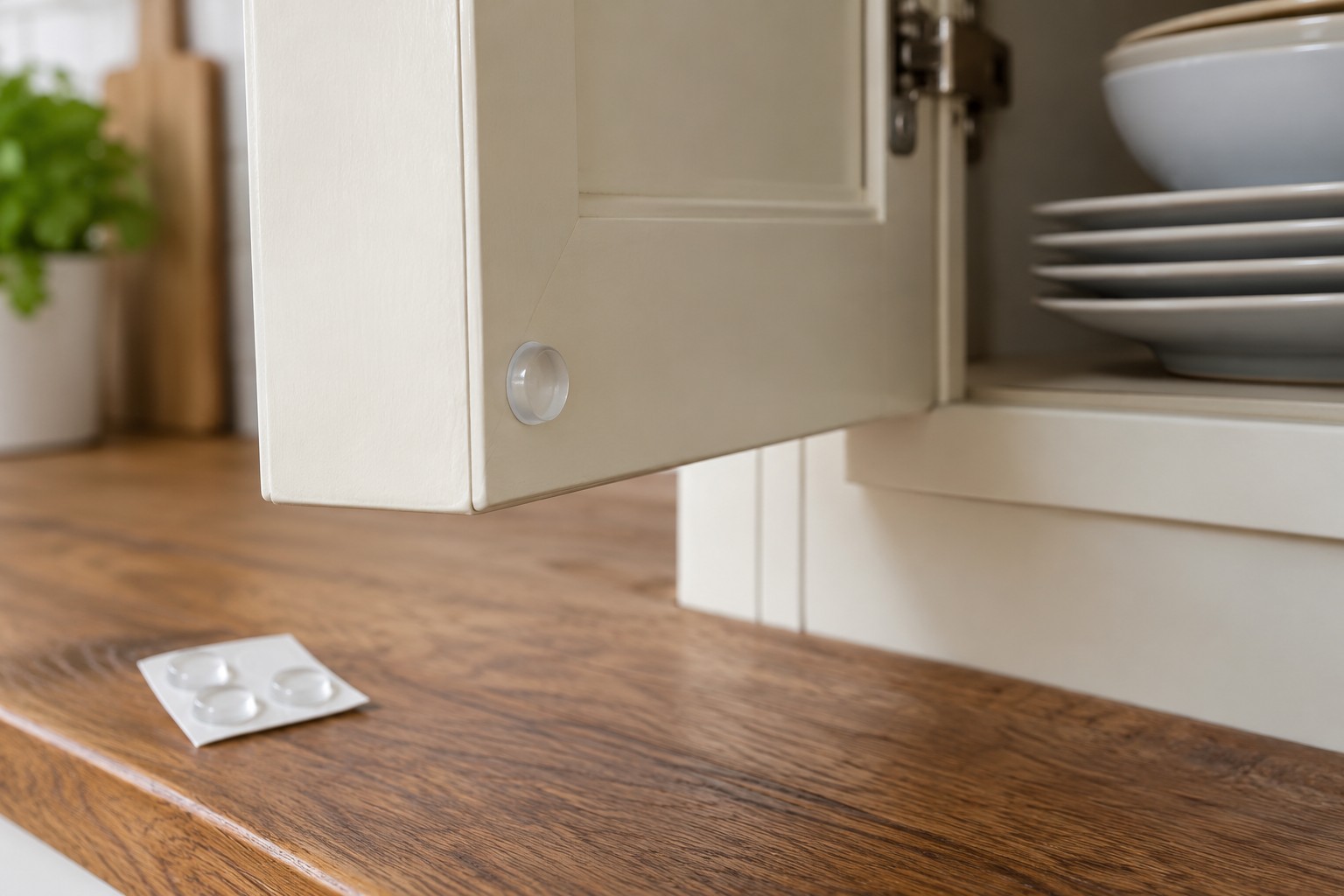
Read the guide ↗Small pads soften the final contact of a cupboard door and protect its finish. When one goes missing, matching the remaining pads is usually better than adding a thick layer at random.
Read the guide ↗A squeak can come from a frame joint, a slat or contact with the floor. A calm inspection of an unloaded bed is more useful than bouncing on it to make the noise louder.
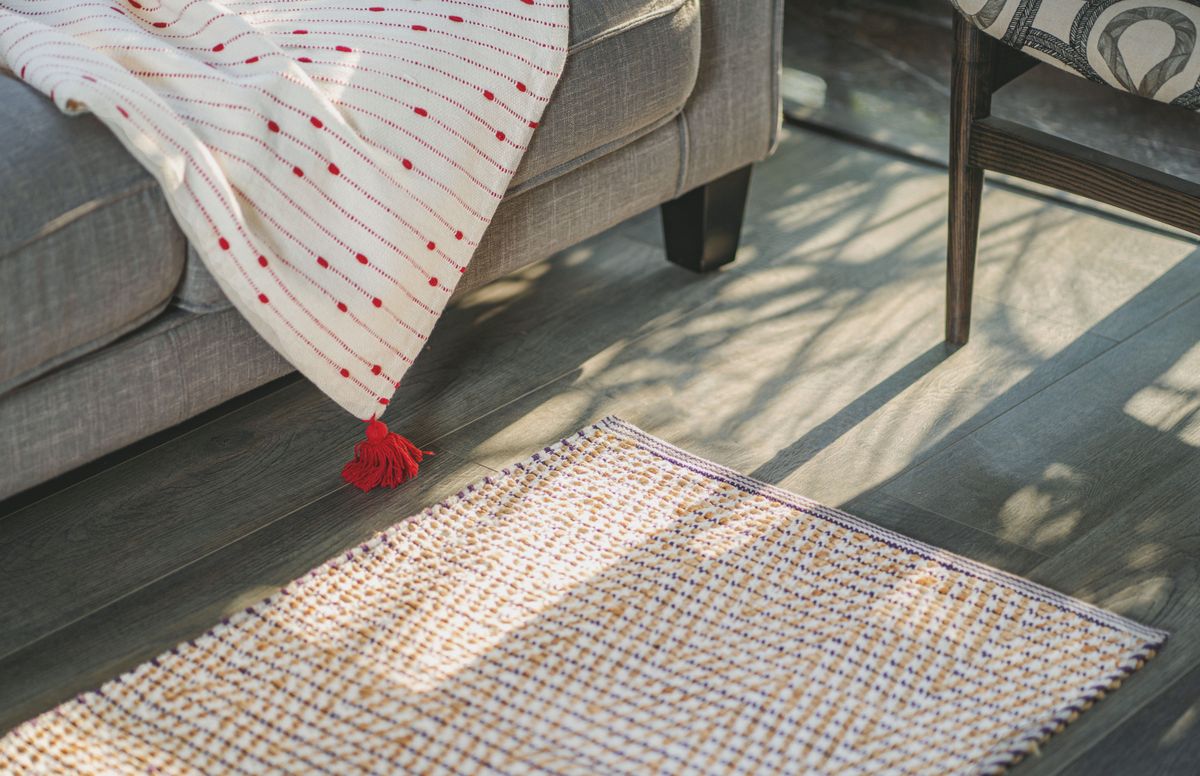
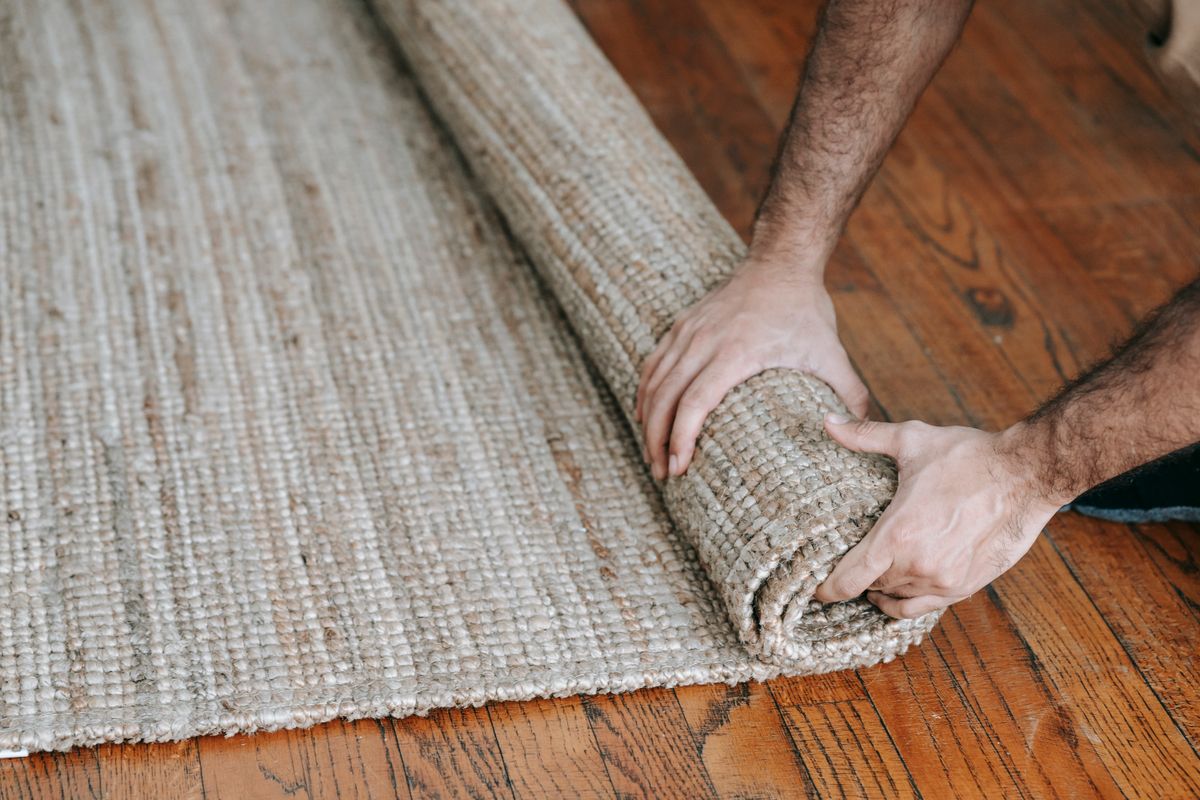
Read the guide ↗A rug that creeps or curls is inconvenient and can become a trip hazard. The right underlay depends on both the rug and the floor, not simply the promise of extra grip.
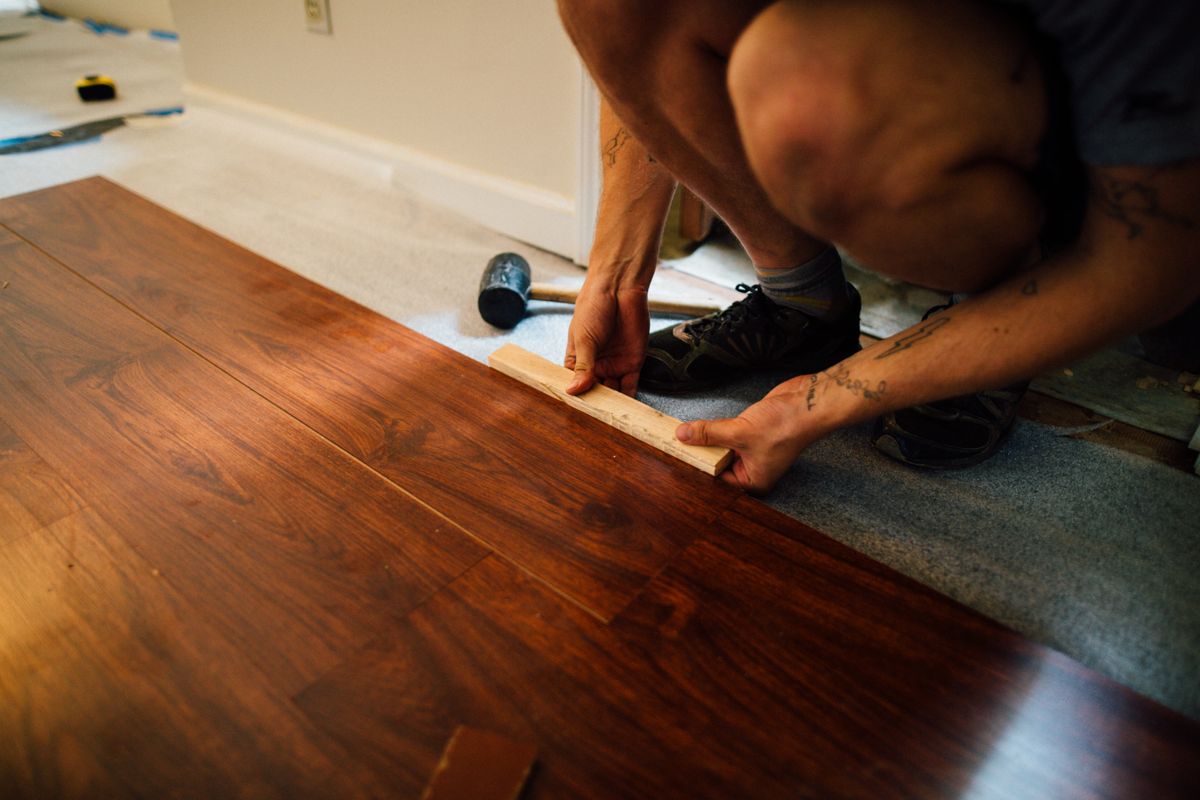
Read the guide ↗A lifted flooring edge is worth recording early. Avoid pressing, sanding or gluing it flat until you know whether it reflects local moisture, damaged joints or a wider installation issue.
Read the guide ↗Kitchen worktop joints see repeated splashes, especially beside sinks. A regular visual check can identify swelling or gaps before everyday wiping hides a persistent problem.
Read the guide ↗Sealant around a bath or shower can look intact from a distance while separating at an edge. Check it visually rather than pulling at it to see how firmly it is attached.
Read the guide ↗A stiff handle is a reason to pause, not to add leverage. Check the normal closing position and visible obstructions before treating an unfamiliar window mechanism.
Read the guide ↗A snagging blind may have a bent slat, crossed ladder cord or an obstruction at the sill. Keep the inspection at a comfortable height and leave safety devices in place.
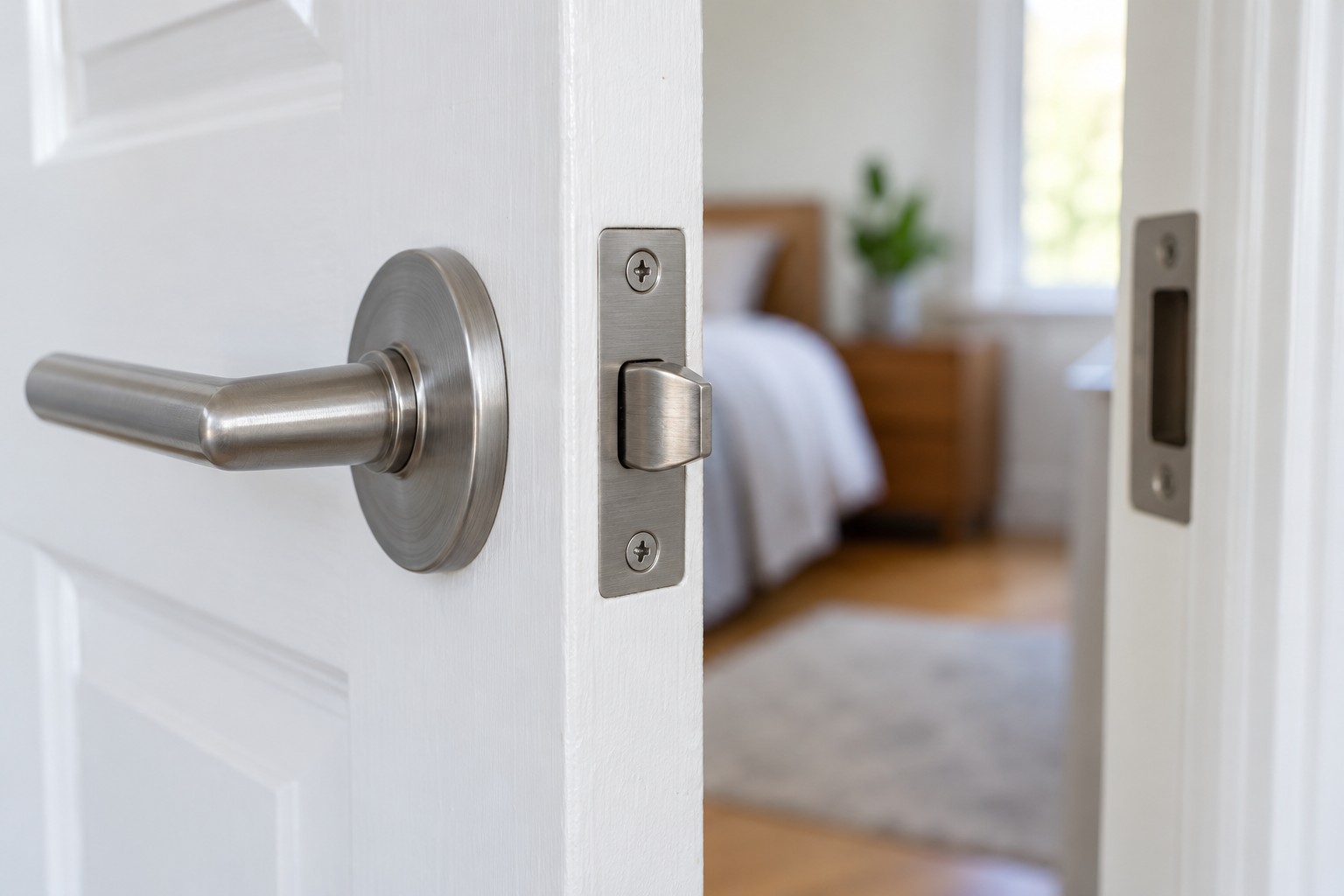
Read the guide ↗When an interior door will not latch, the latch may be working but missing its keep. Observe the contact gently before filing metal, moving plates or changing the door.
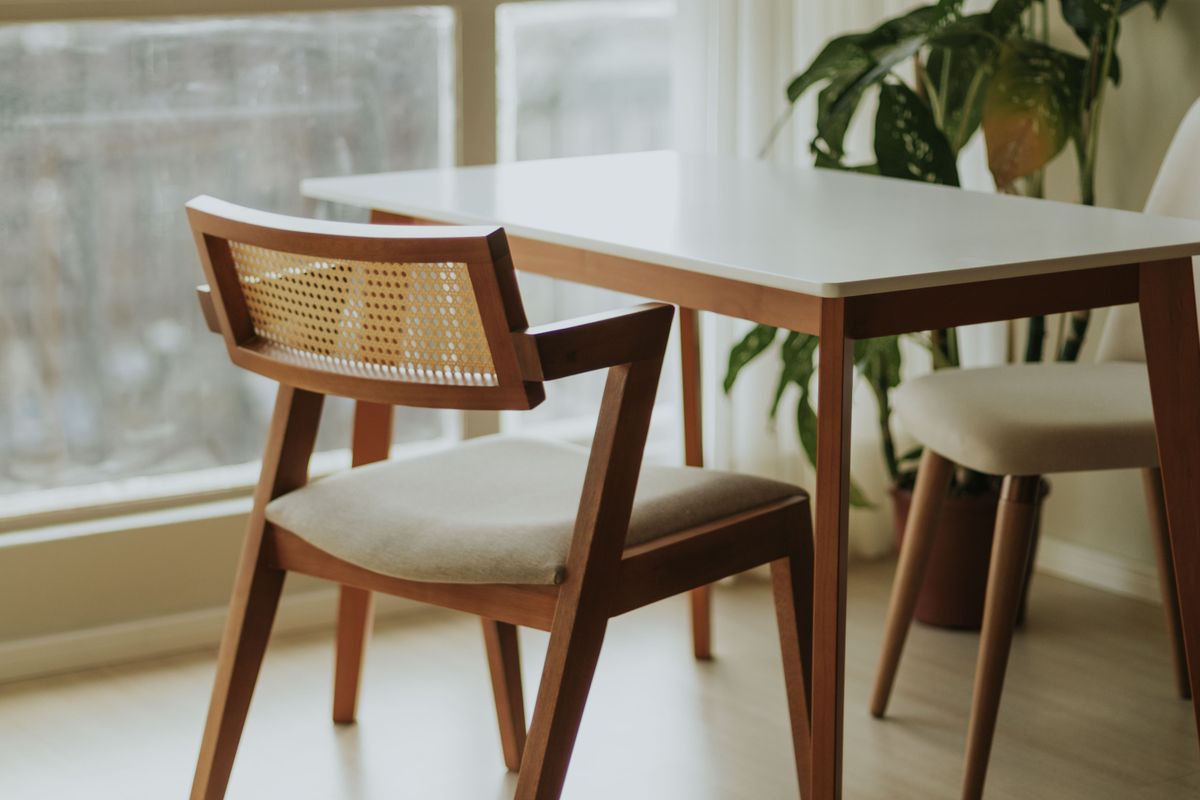
Read the guide ↗A dining chair should feel stable before anyone sits down. A visual check can distinguish a loose assembly fixing from an opening timber joint that needs a proper repair.
Read the guide ↗A bowed shelf is a signal to reduce its load and inspect its supports. Adding a decorative bracket or turning the shelf over may hide the shape without solving the cause.
Read the guide ↗Sunlight can change the colour of wood, fabric and other finishes unevenly. A few layout choices can reduce sharp contrasts without turning the room into a permanently dark space.
Read the guide ↗A useful move-in record is specific enough to revisit later. Photographs, short descriptions and working-condition notes are more helpful than a folder full of unexplained close-ups.
Read the guide ↗Blind measurements depend on whether the blind sits inside or outside the recess and on the supplier's ordering rules. Record the opening carefully before deciding which number belongs in the order form.
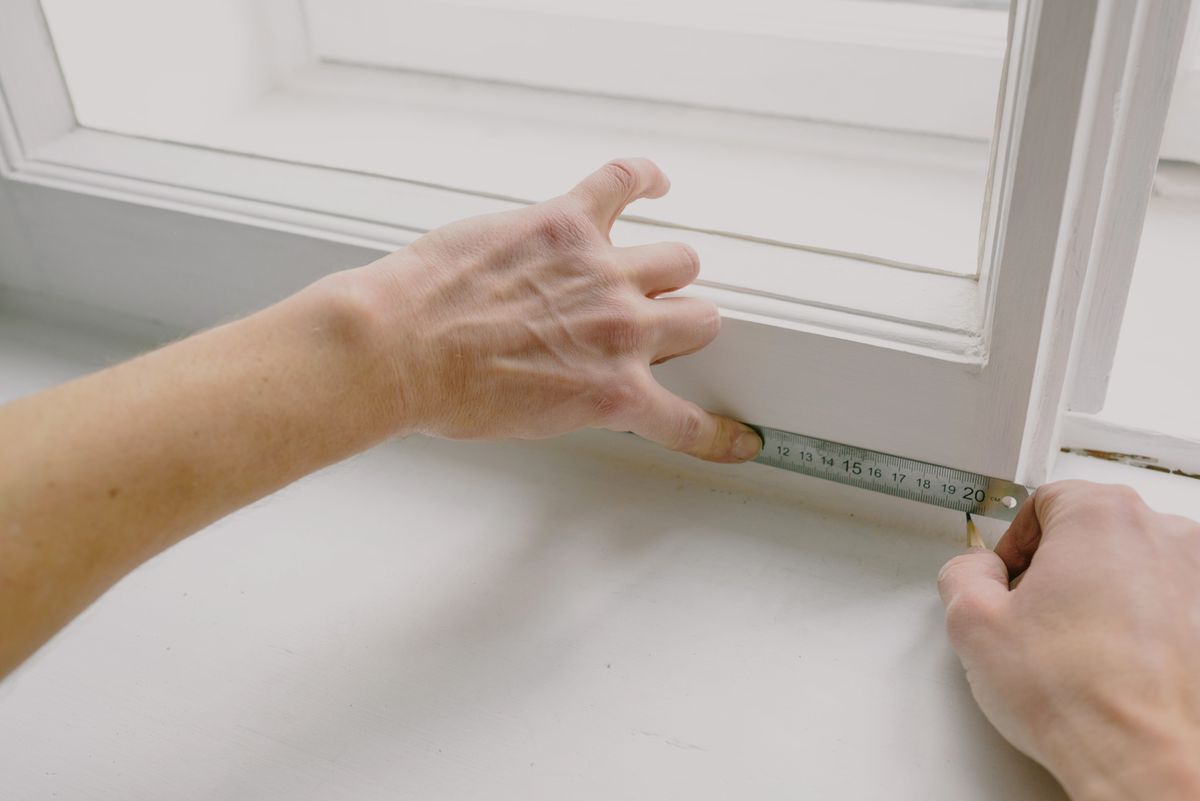
Read the guide ↗A thick or ambiguous pencil line can undermine an otherwise careful measurement. Good marking starts with one reference edge and a clear decision about which side of the line is waste.
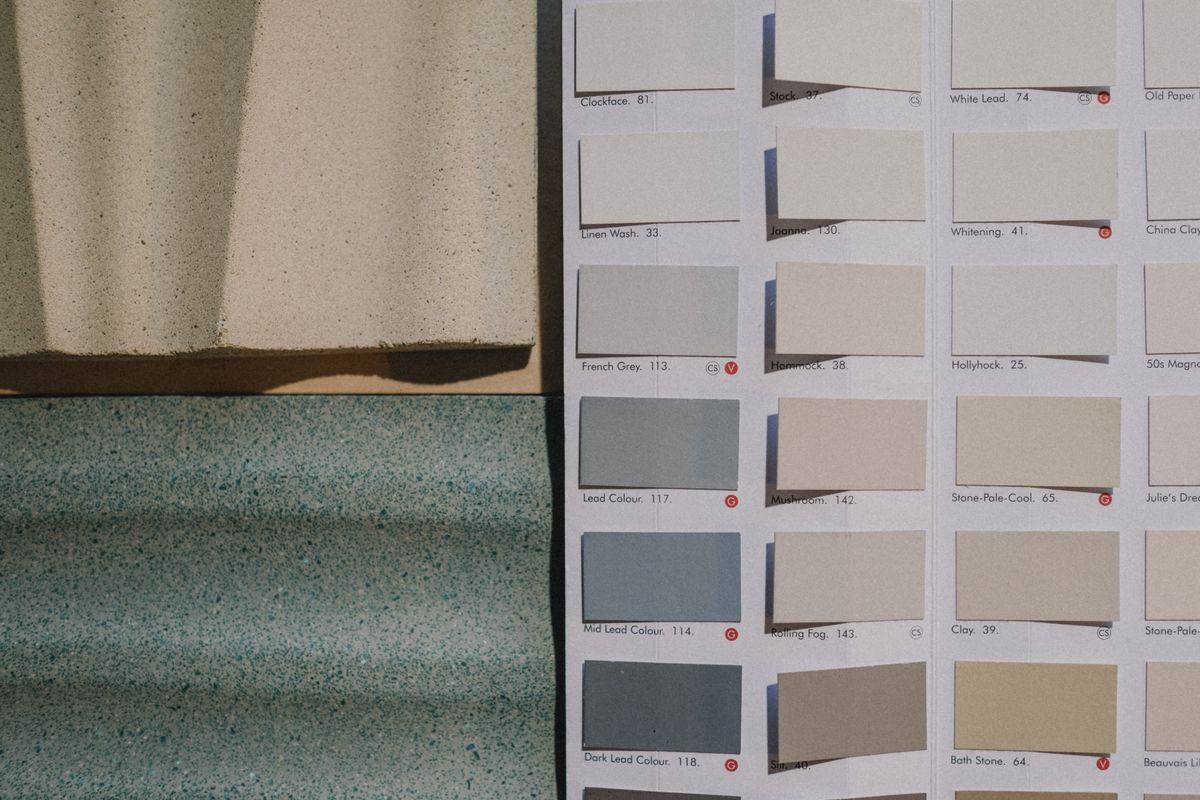
Read the guide ↗A portable paint sample shows how a colour behaves in different parts of a room. It is more informative than judging a tiny patch beside the shop's lighting.
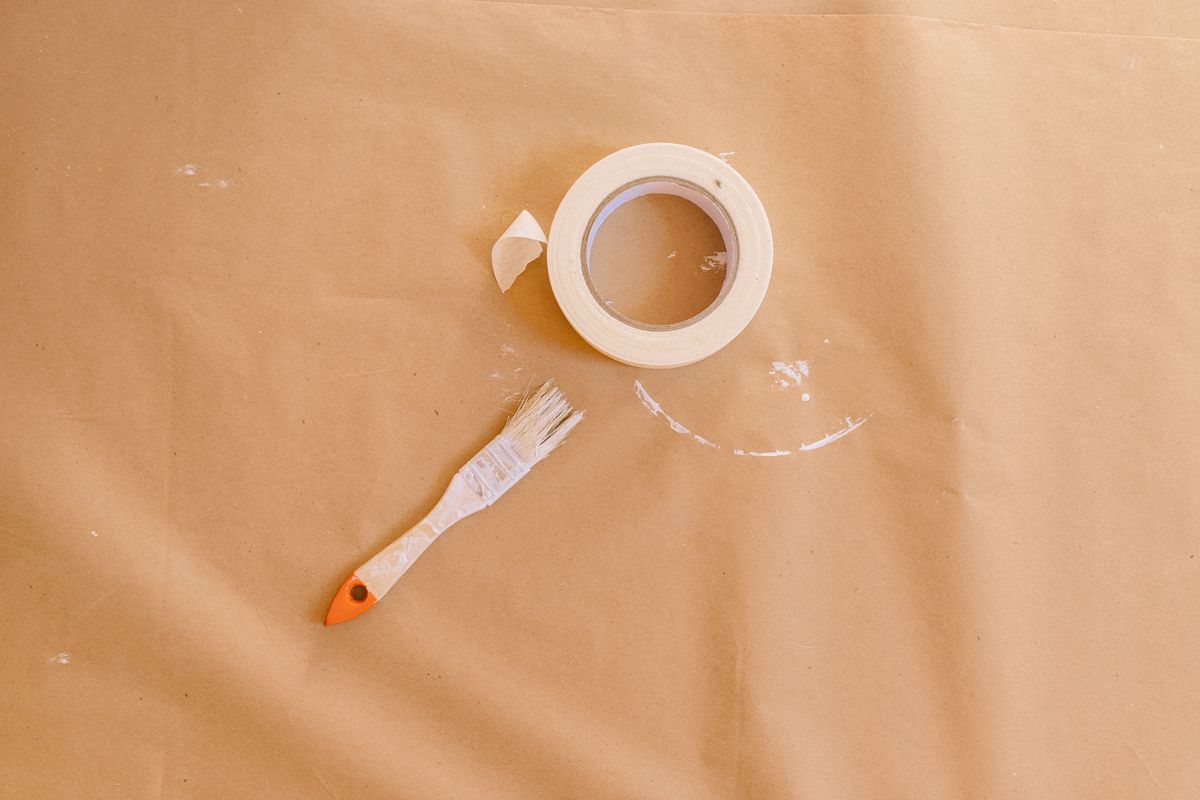
Read the guide ↗Masking tape is not equally gentle on every painted surface. A small compatibility test and attention to removal timing are more useful than trusting the colour of the tape alone.
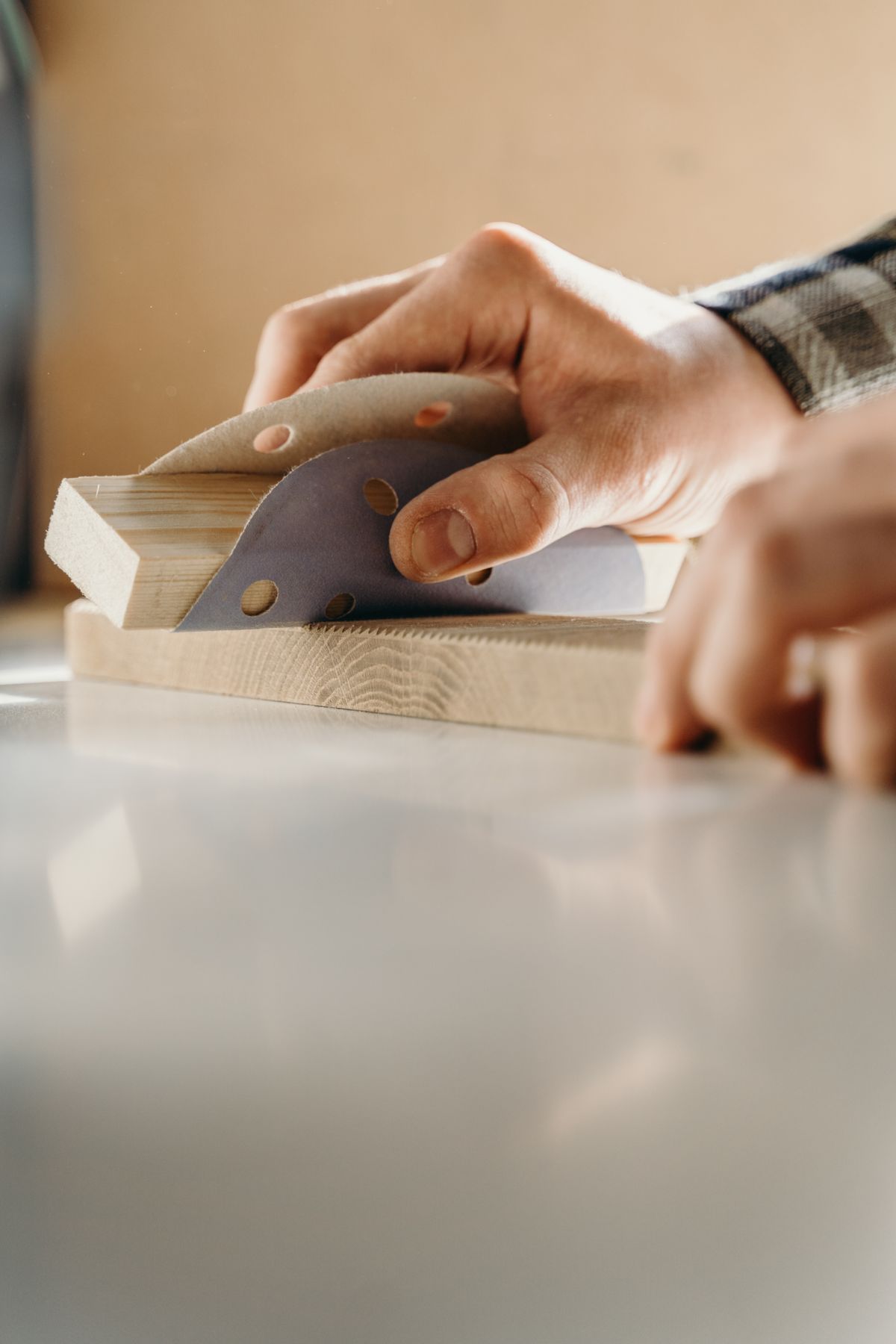
Read the guide ↗Hand-sanding a small piece of new, untreated timber can improve its feel before a compatible finish. Keep this exercise separate from stripping old paint or sanding unknown reclaimed materials.
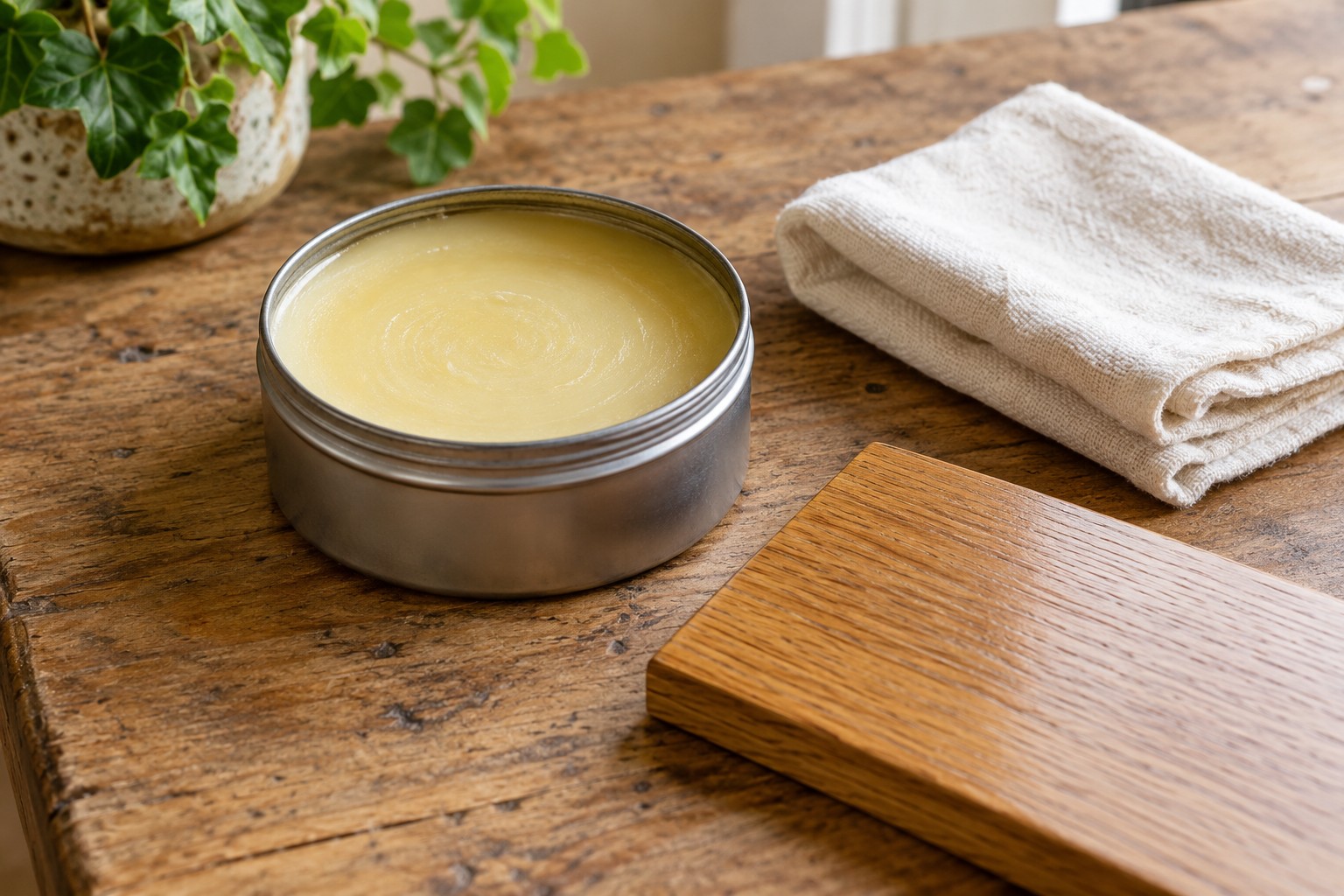
Read the guide ↗Wax can change sheen and colour as well as feel. Before treating a whole item, confirm that wax is suitable for its existing finish and test a discreet patch.
Read the guide ↗Paper templates let you judge spacing before committing to a picture arrangement. Plan both the visible composition and a safe, suitable fixing method rather than treating layout as permission to drill.
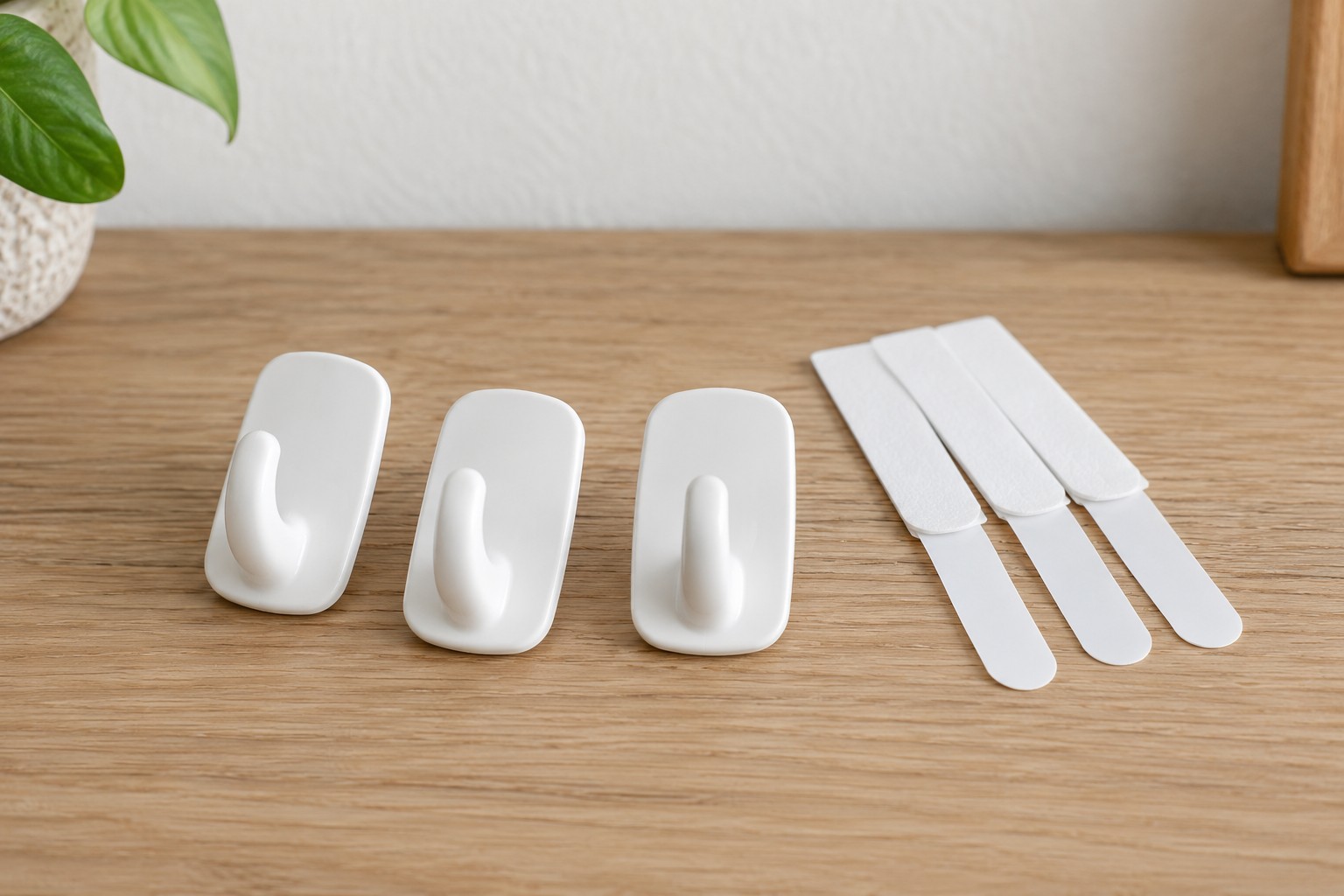
Read the guide ↗An adhesive hook is a system with a specific surface, load and application method. Choosing by appearance alone can lead to a dropped item or damaged paint.
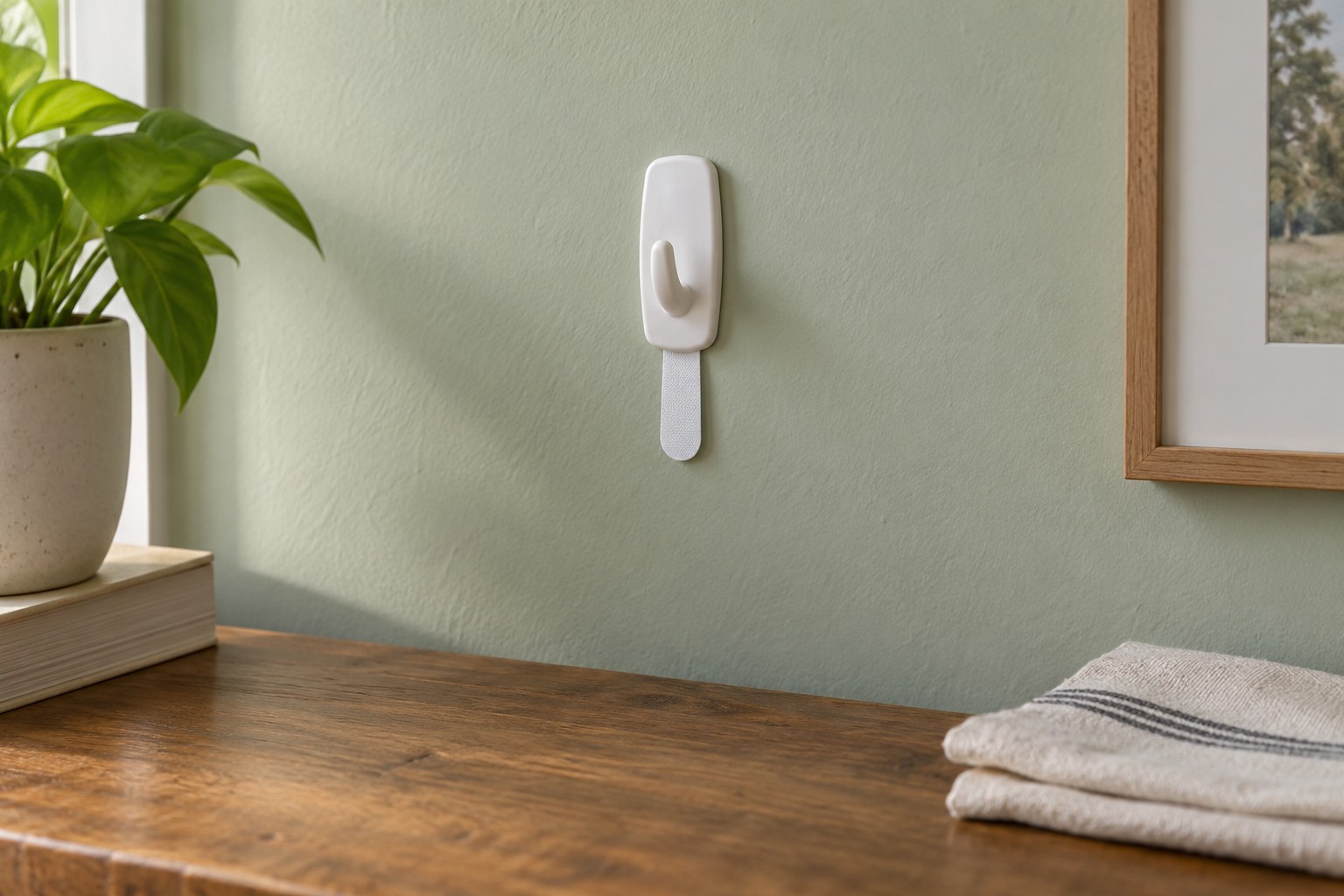
Read the guide ↗A stretch-release adhesive tab is designed to be removed in a particular direction. Pulling the hook away from the wall can damage the finish even if installation was correct.
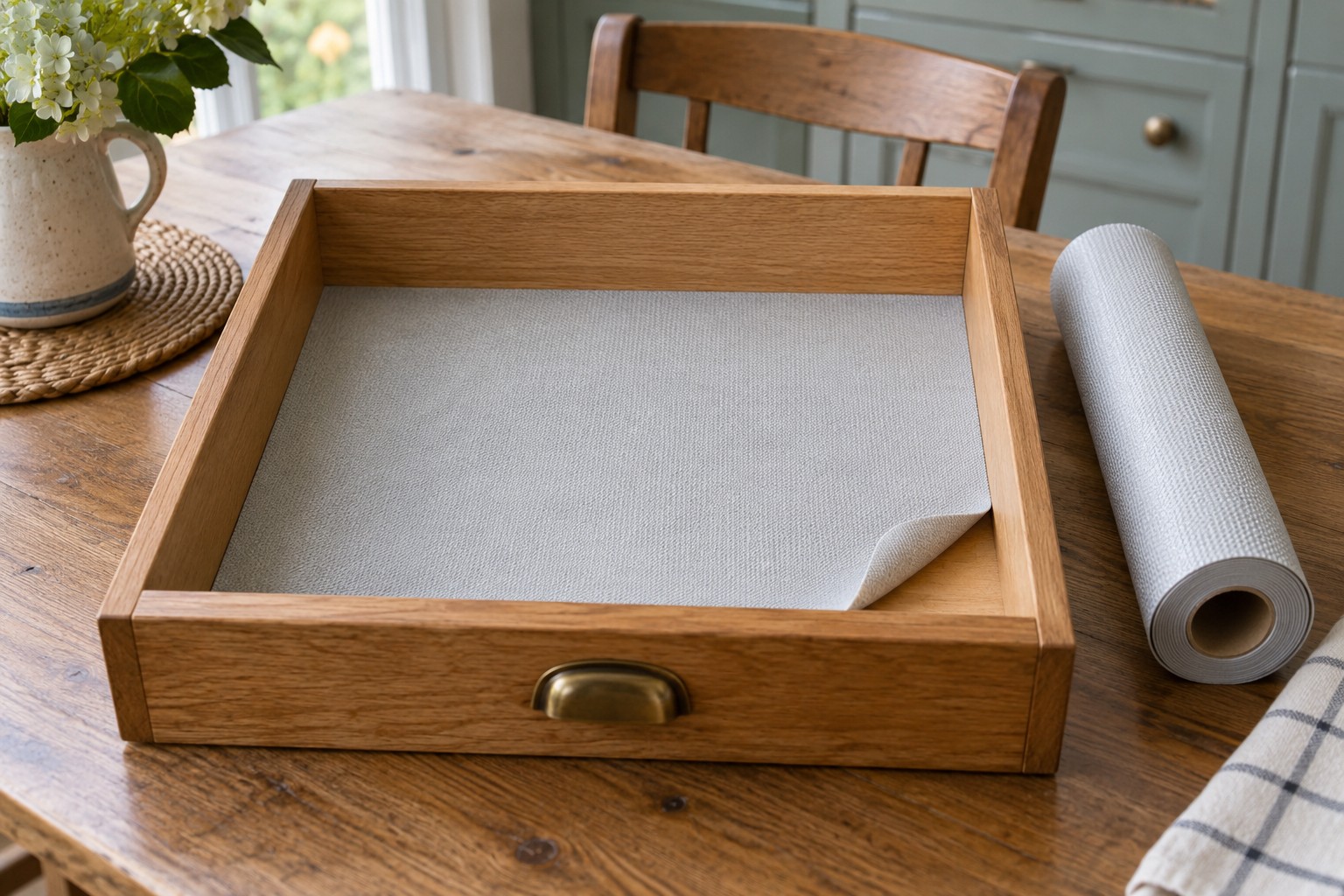
Read the guide ↗A removable liner can protect a drawer and make crumbs easier to lift out. A neat fit matters more than strong adhesive, especially when the drawer has a delicate finish.
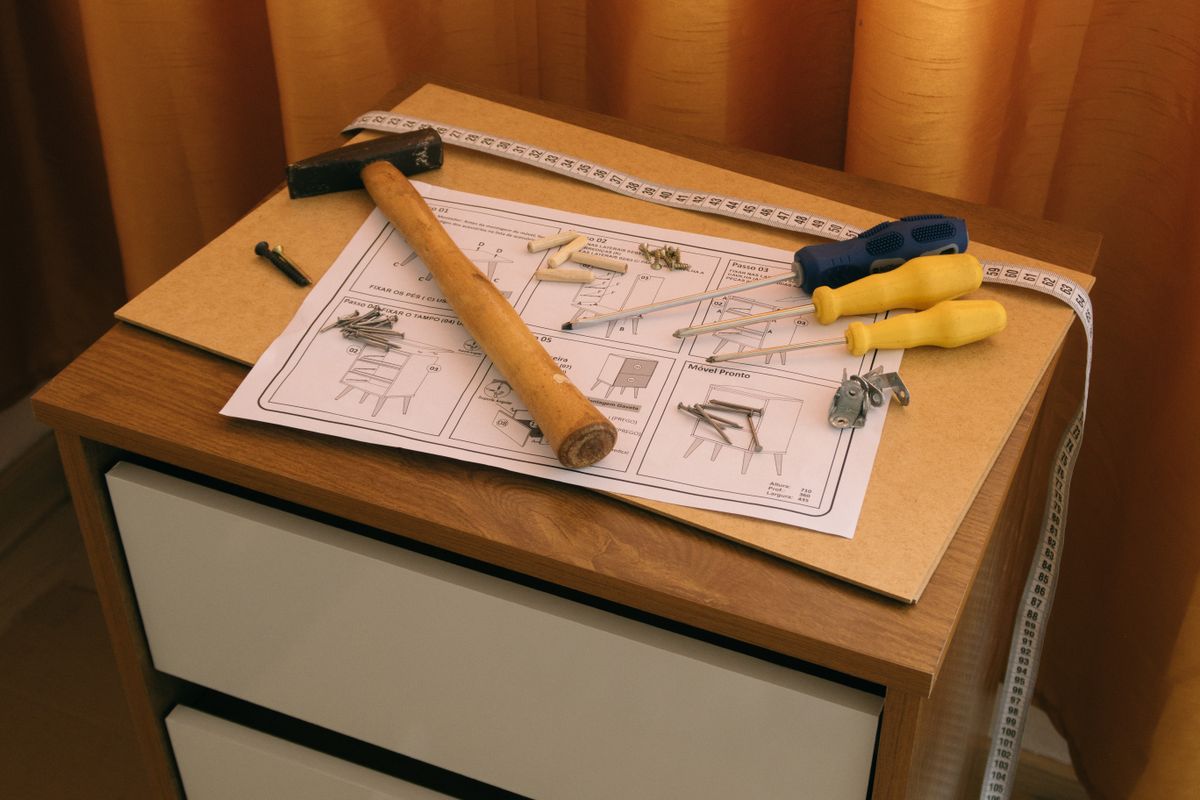
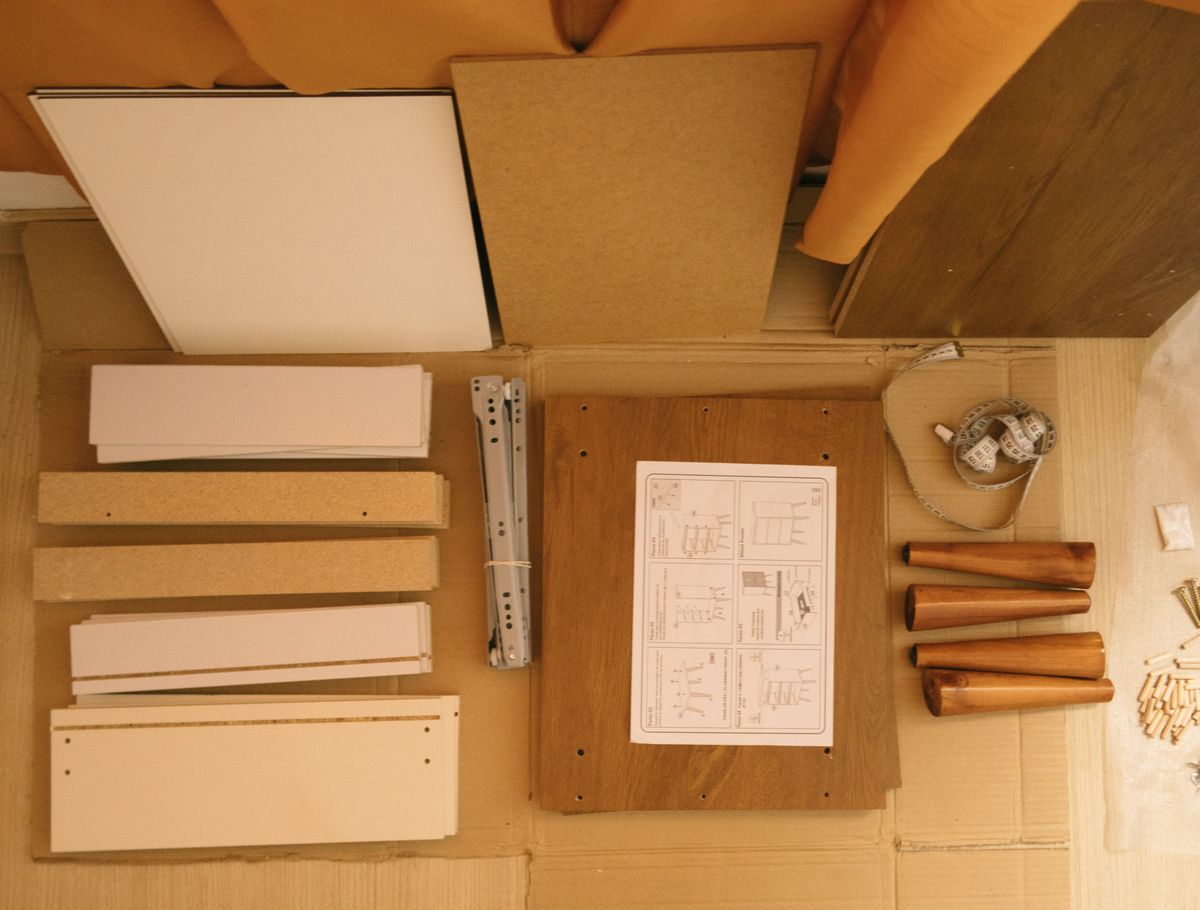
Read the guide ↗A careful parts check prevents a half-built unit occupying the room while you search for one missing bolt. Organise the kit before opening every small hardware bag.
Read the guide ↗A small flat-pack unit assembles more cleanly when its panels stay aligned throughout the sequence. Squareness comes from following the intended construction, not forcing the final panel into place.
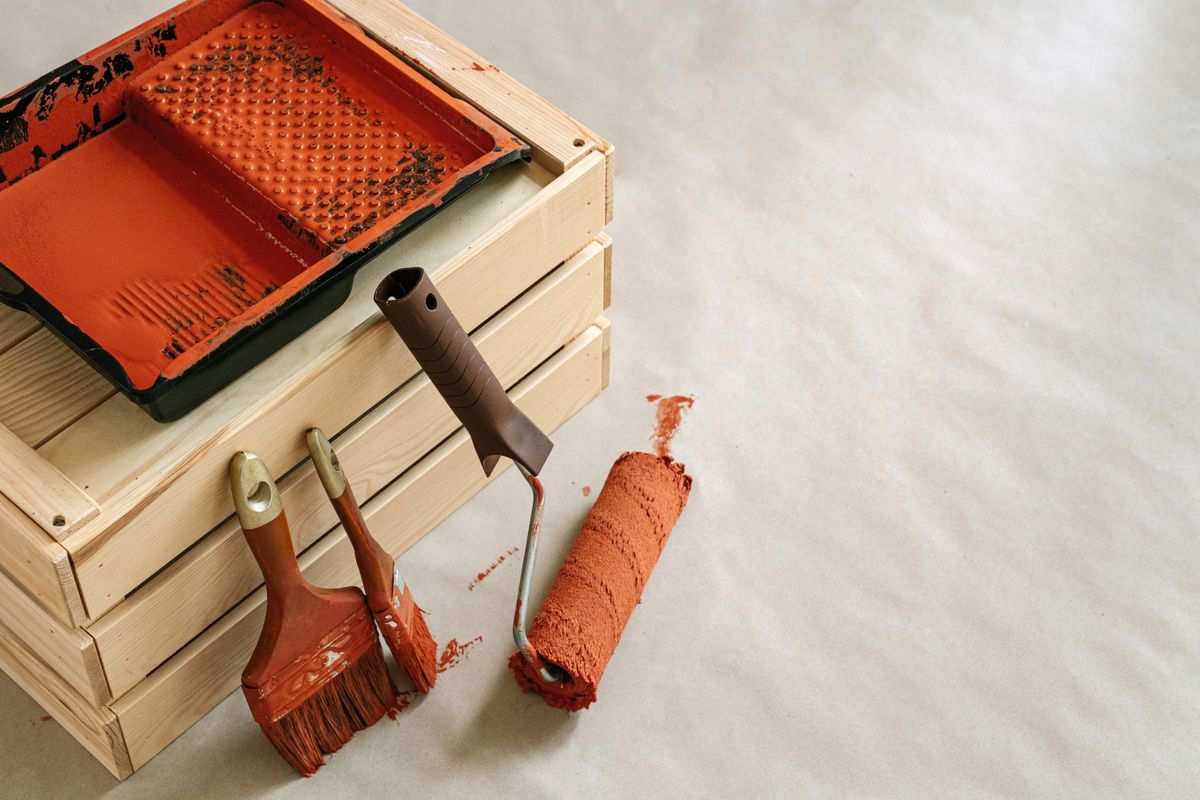
Read the guide ↗Good room protection makes a small painting task easier to control and clean up. Plan the walking route as carefully as the surface beneath the paint tray.
Read the guide ↗Practising on a board lets you learn how a brush releases paint without risking a finished wall. Treat the sample as a small exercise in control rather than a test of speed.
Read the guide ↗A practice board helps you see whether a roller suits the paint and surface texture. It also exposes lint, uneven loading and pressure marks before you start a full wall.
Read the guide ↗A touch-up can remain visible even with the original colour. Age, sheen, surface texture and application method all influence whether a small repair blends into a wall.
Read the guide ↗Tiny picture-pin holes in sound modern plaster can often be treated with an appropriate decorating filler. Keep the task limited to small cosmetic holes, not cracks or uncertain wall defects.
Read the guide ↗Wallpaper samples help you judge scale, colour and texture in the room. A small swatch is useful, but it cannot show every consequence of a large repeat or directional pattern.
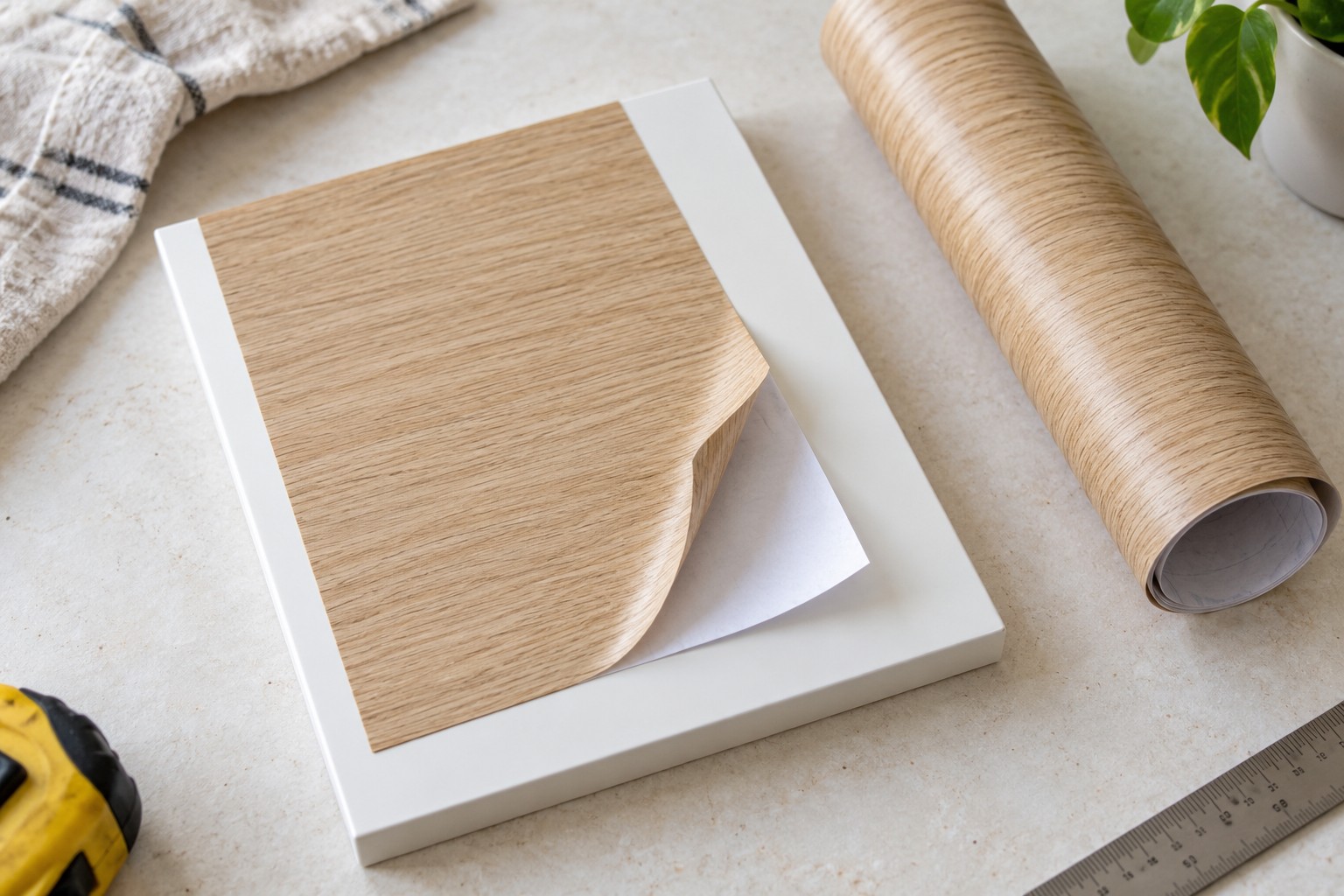
Read the guide ↗Self-adhesive furniture film can change a panel's appearance, but removal may still affect its finish. Test the actual surface and avoid treating the word removable as a guarantee.
Read the guide ↗A useful noticeboard has space for the papers you actually keep and a mounting method suited to its weight. Plan the board at full size before choosing where to attach it.
Read the guide ↗A replacement handle can look right online and still fail to fit the existing holes. Record the fixing details and the clearance around the handle before choosing a new shape.
Read the guide ↗An awkward shelf is easier to line when you make the mistakes in paper first. A template helps fit curved corners, rear supports and other small interruptions accurately.
Read the guide ↗A two-colour furniture scheme works best when its divisions follow the object's shape. Plan the colours on samples before preparing or painting a piece with an uncertain existing finish.
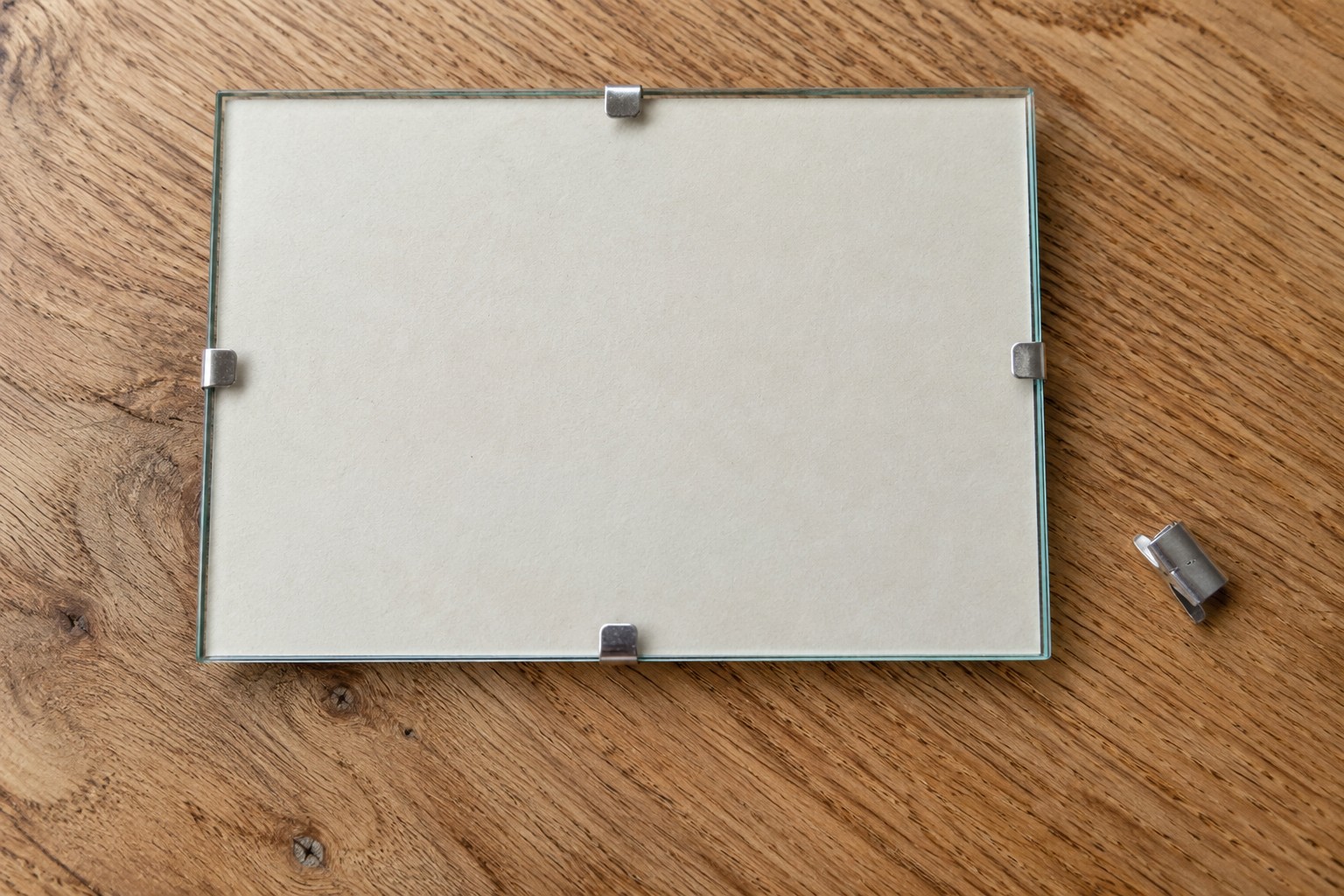
Read the guide ↗A small clip frame can display a print neatly, but thin glass and spring clips need careful handling. Work flat, cleanly and without forcing a frame that is the wrong size.
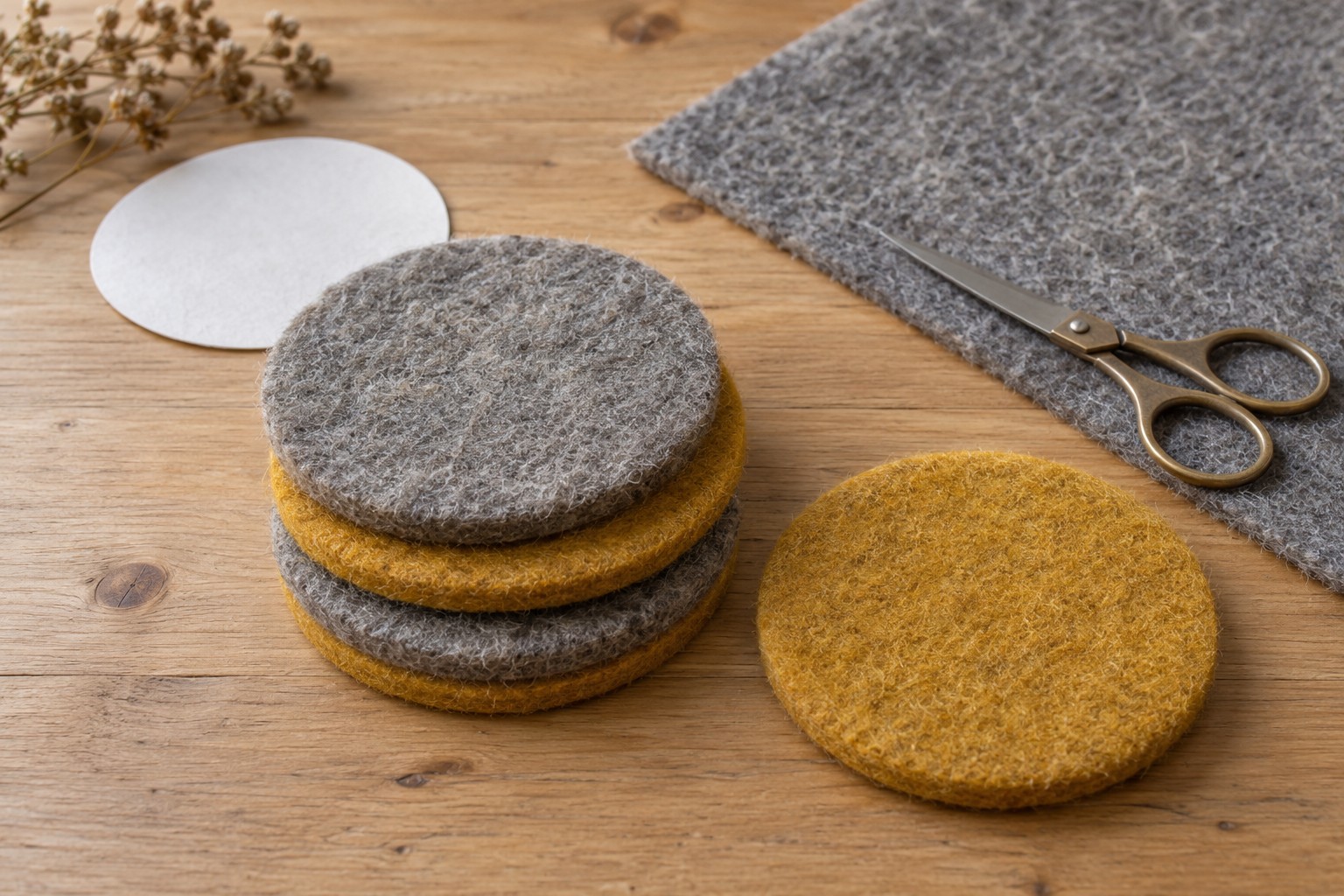
Read the guide ↗Simple felt coasters are a manageable tabletop project with little equipment. The main decisions are material suitability, a flat shape and keeping adhesive or dye away from a vulnerable finish.
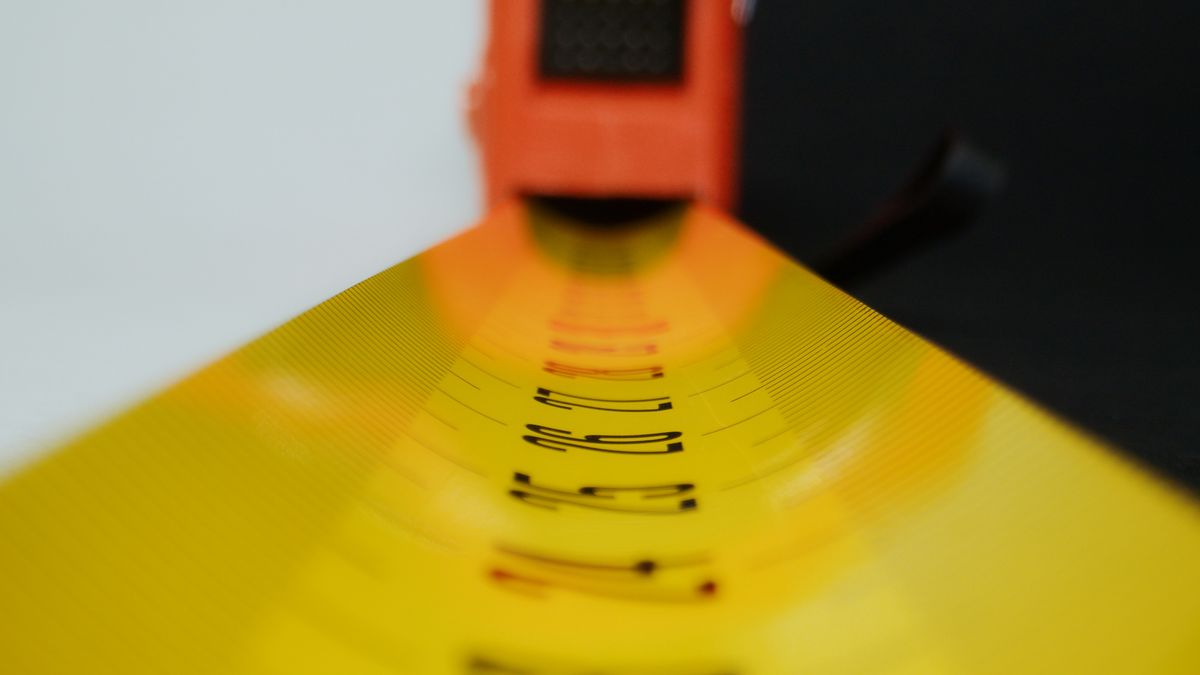
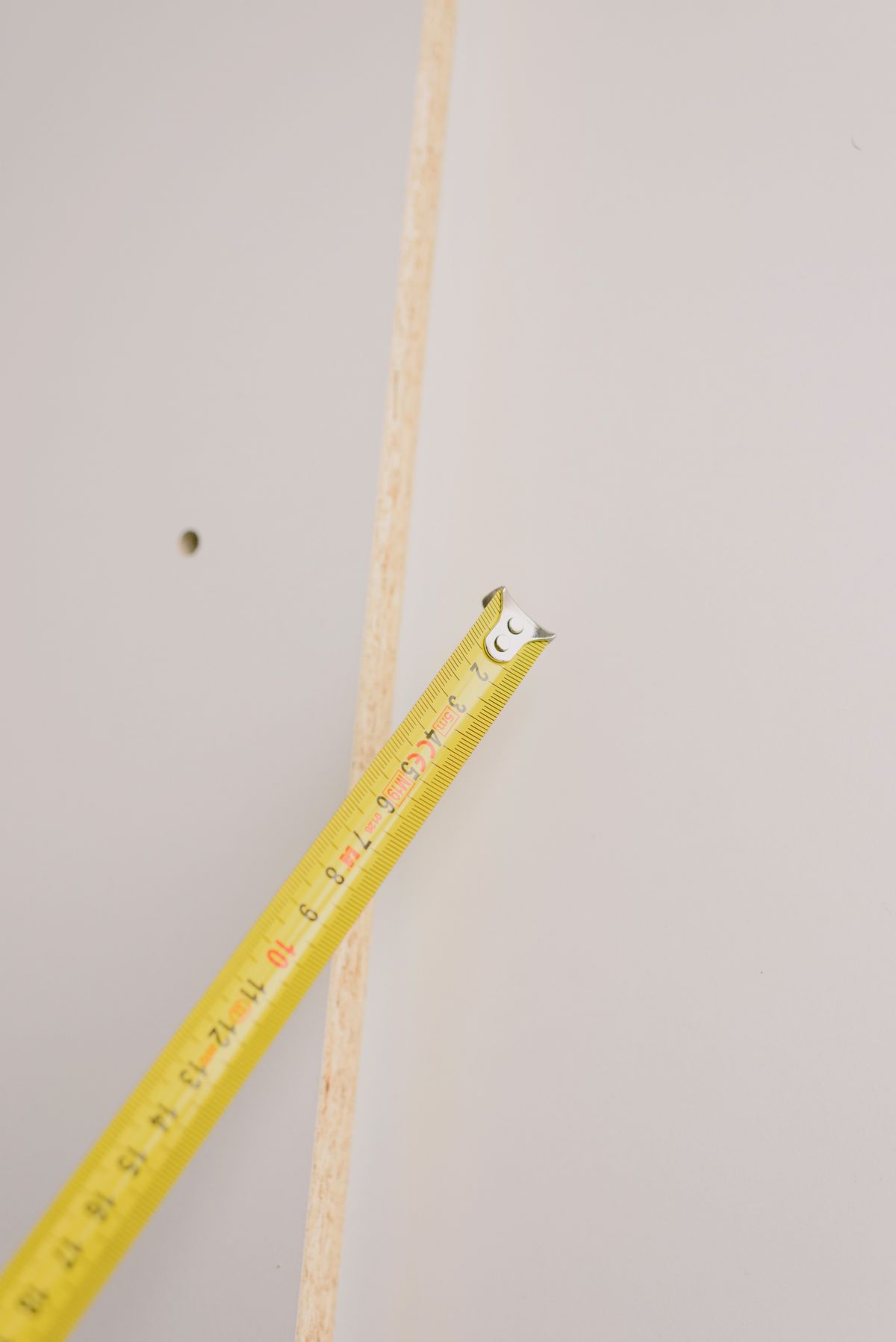
Read the guide ↗A tape measure is useful only when its starting point, units and reading position agree. A few deliberate habits prevent most small household measuring mistakes.
Read the guide ↗A centred bubble is reassuring, but it is worth checking the instrument before using it to judge a shelf, frame or freestanding cabinet.
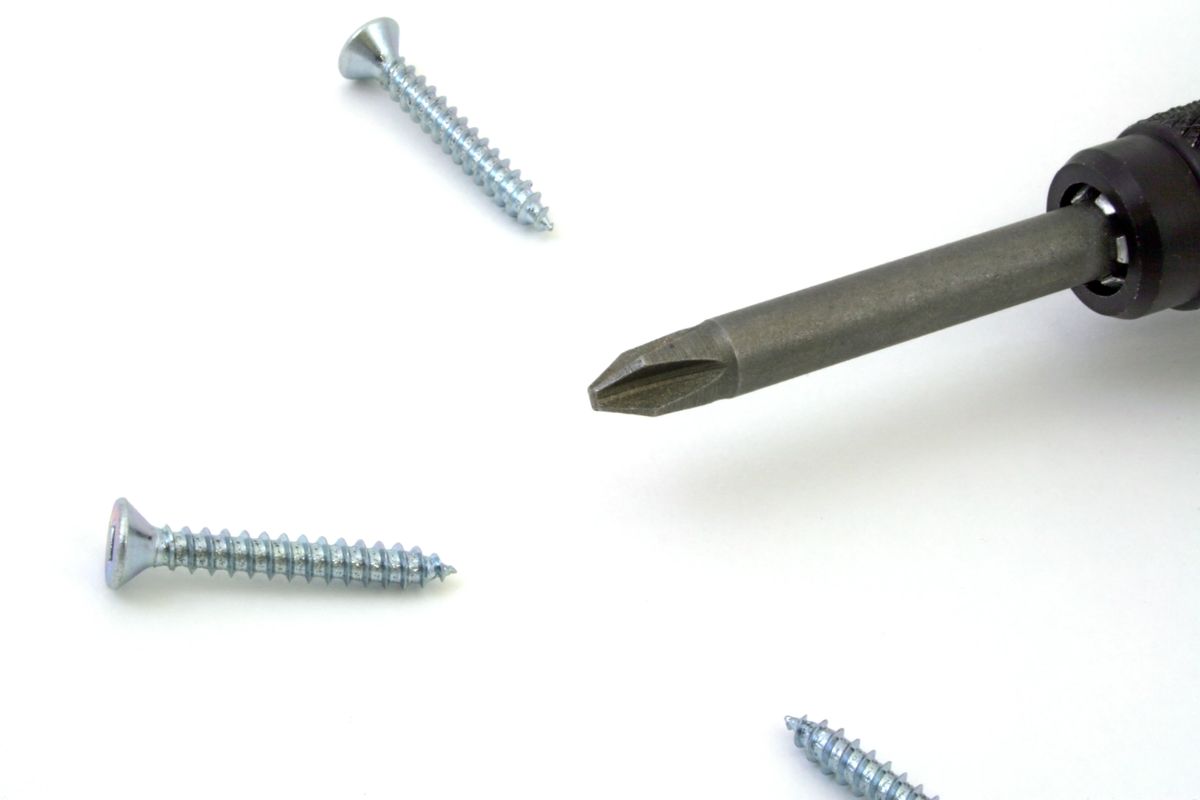
Read the guide ↗Cross-shaped screw heads are not all the same. Matching the driver to the recess makes a small assembly easier and helps preserve the fixing.
Read the guide ↗A loose hex key can round a furniture bolt surprisingly quickly. Select the exact fit, seat it fully and use the assembly instructions as your guide.
Read the guide ↗A hand clamp should hold two parts in position without becoming the cause of dents, twisted joints or trapped fingers. Set it up before adding pressure.
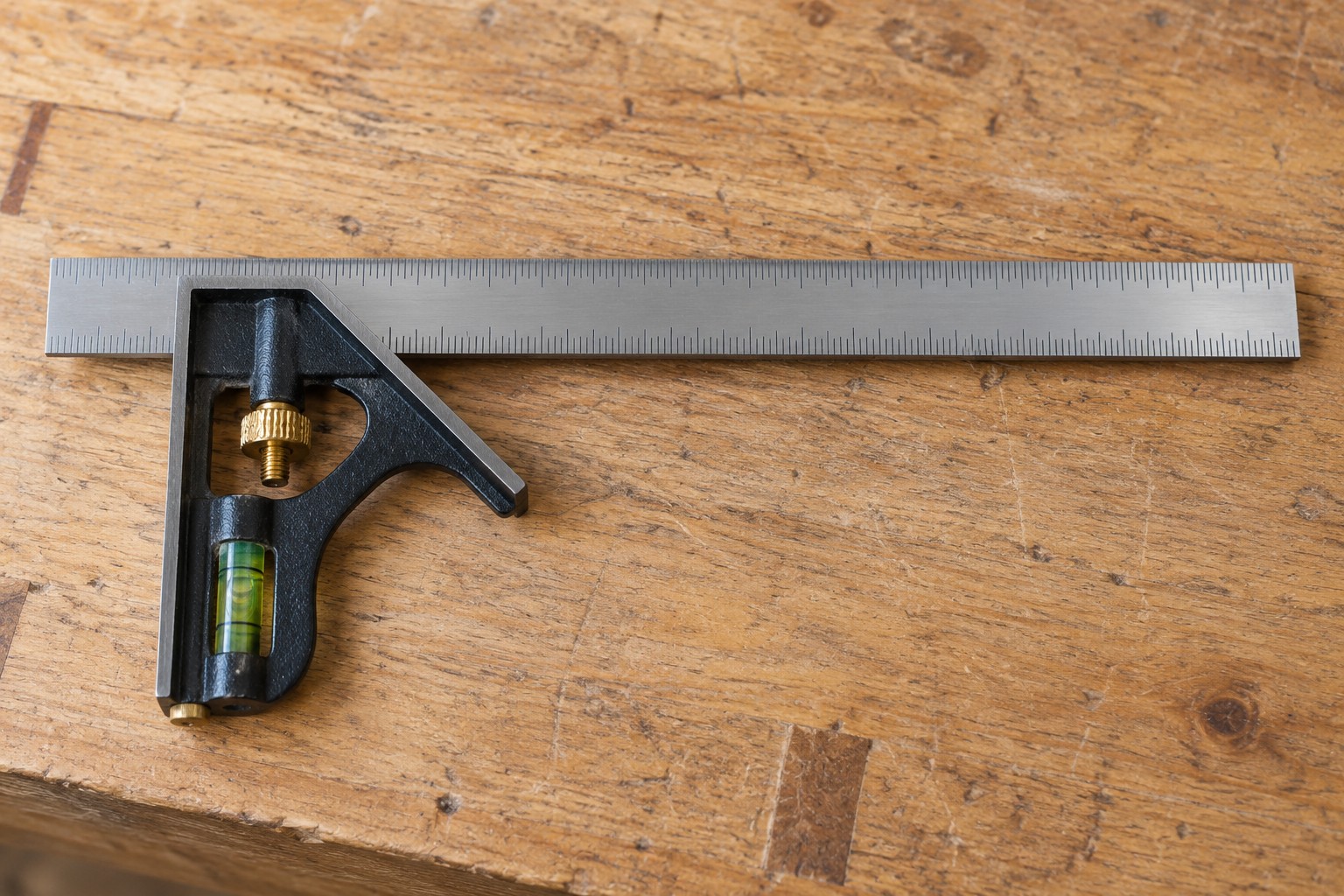
Read the guide ↗A combination square can help with right-angle layout, repeated offsets and short depth checks. Its usefulness depends on a clean edge and a firmly locked head.
Read the guide ↗The best layout mark is visible while you work and removable when the job is finished. Choosing it early is easier than cleaning up an unsuitable ink.
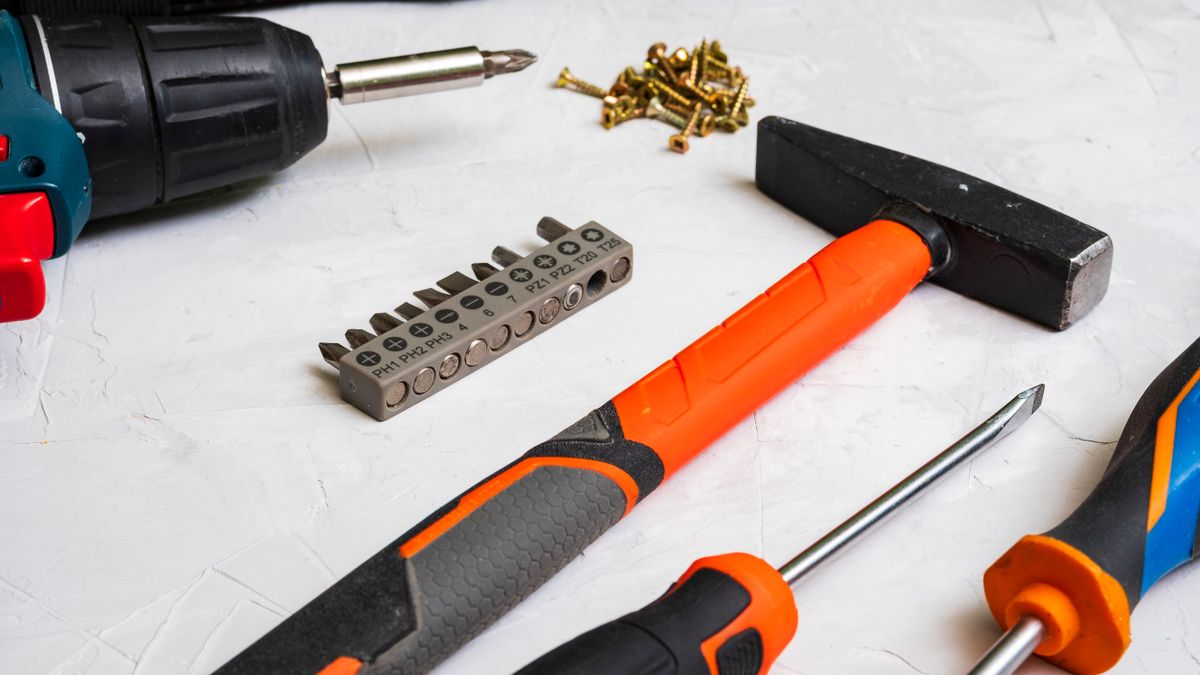
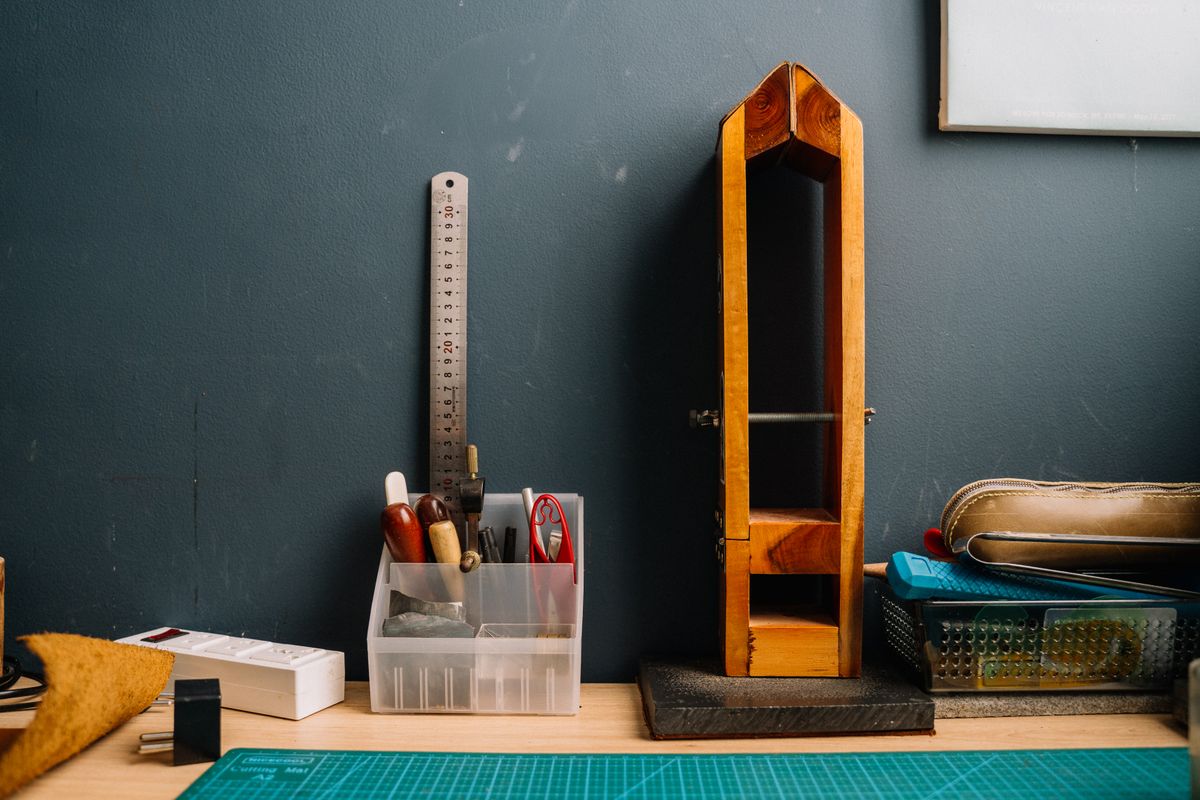
Read the guide ↗A useful household toolkit need not contain a hundred pieces. Start with the tasks you actually do, then choose a few comfortable tools that fit those tasks.
Read the guide ↗A quick tool check is easier before a job than halfway through it. Look for damage that changes grip, alignment or control, rather than judging by age alone.
Read the guide ↗Pliers are excellent for the jobs they are designed to do, but their adjustable grip does not make them a universal substitute for a fitted spanner.
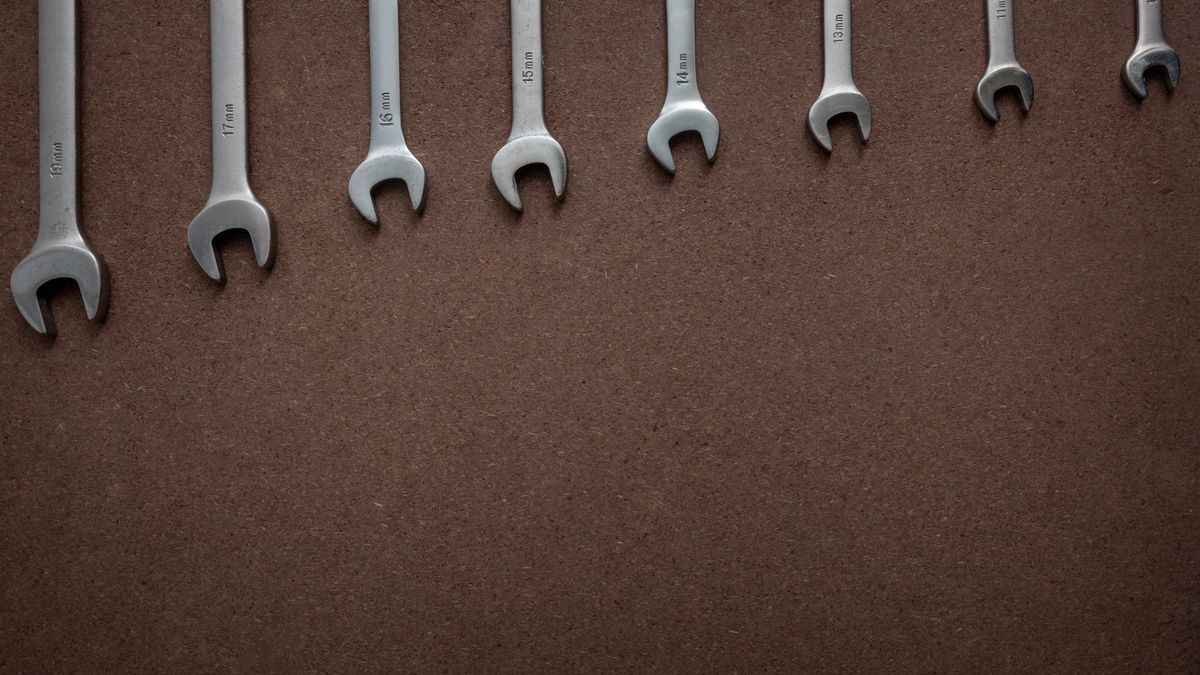
Read the guide ↗A well-fitting spanner gives a more predictable grip on an ordinary nut than a nearly correct one. Size, access and the condition of the flats all matter.
Read the guide ↗An adjustable spanner is useful when a suitable fixed-size tool is not available, but the moving jaw needs attention before every controlled turn.
Read the guide ↗A rubber mallet can deliver a gentler contact than a steel hammer, but it can still mark a finish or force an assembly that is wrongly aligned.
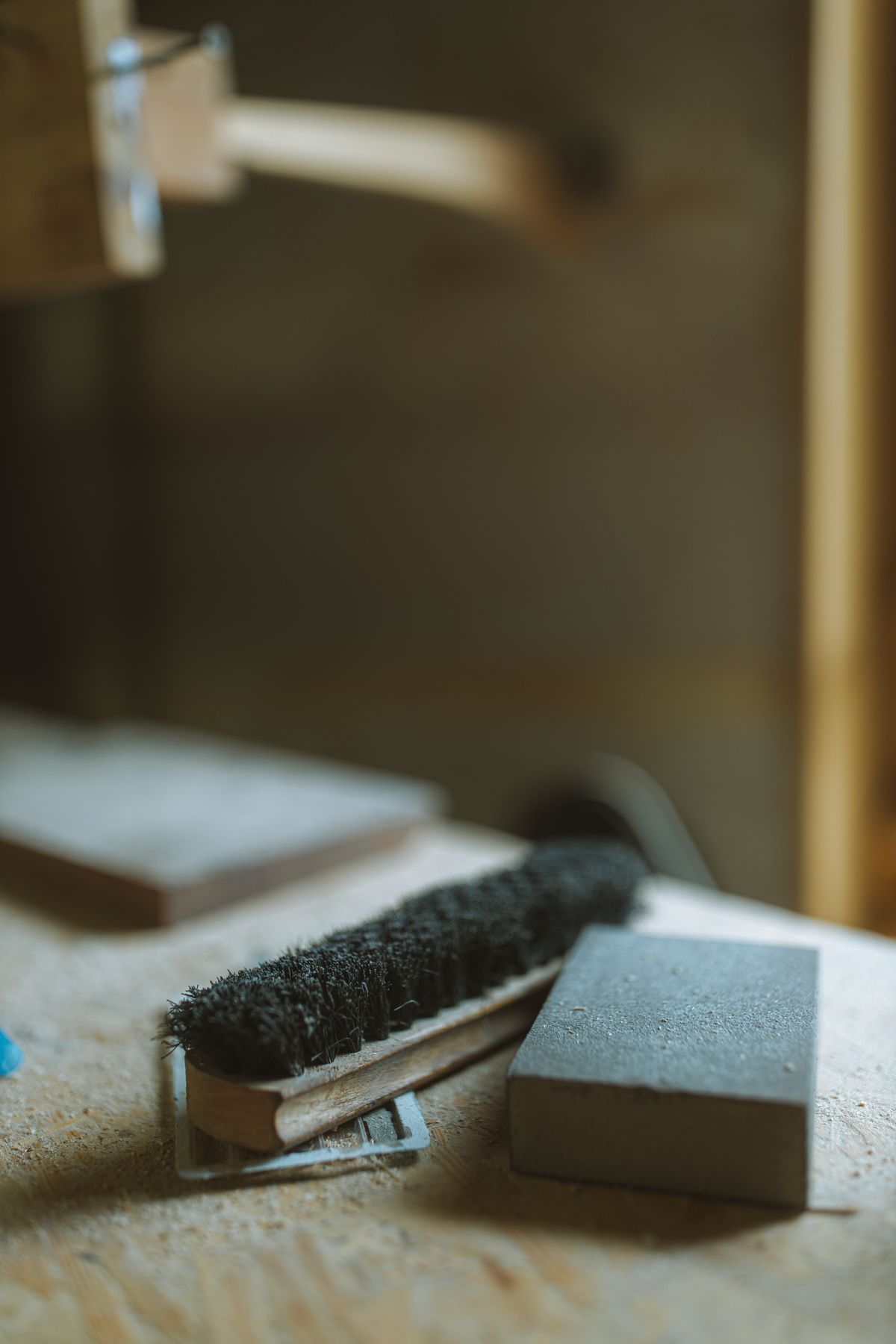
Read the guide ↗A bench covered in crumbs and shavings is awkward to work on. Clearing it carefully protects the next finish and avoids spreading dirt across the room.
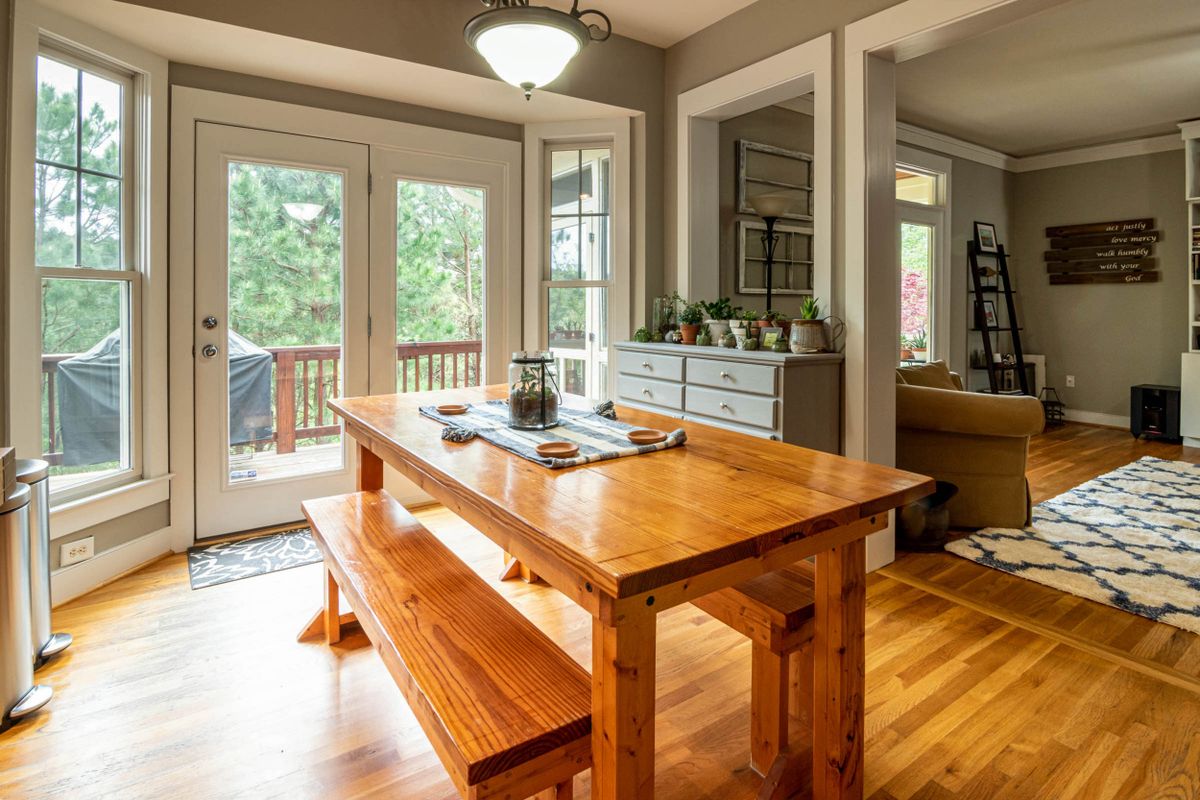
Read the guide ↗Using the dining table for a small household task is possible only if the surface, the protection and the work itself are compatible.
Read the guide ↗A dry fit means assembling compatible parts without committing to adhesive or final tightening. It exposes awkward access and orientation problems while they are still easy to correct.
Read the guide ↗A tool manual becomes much more useful when you know what to find before starting: intended use, prohibited uses, setup, protection and the point at which to stop.
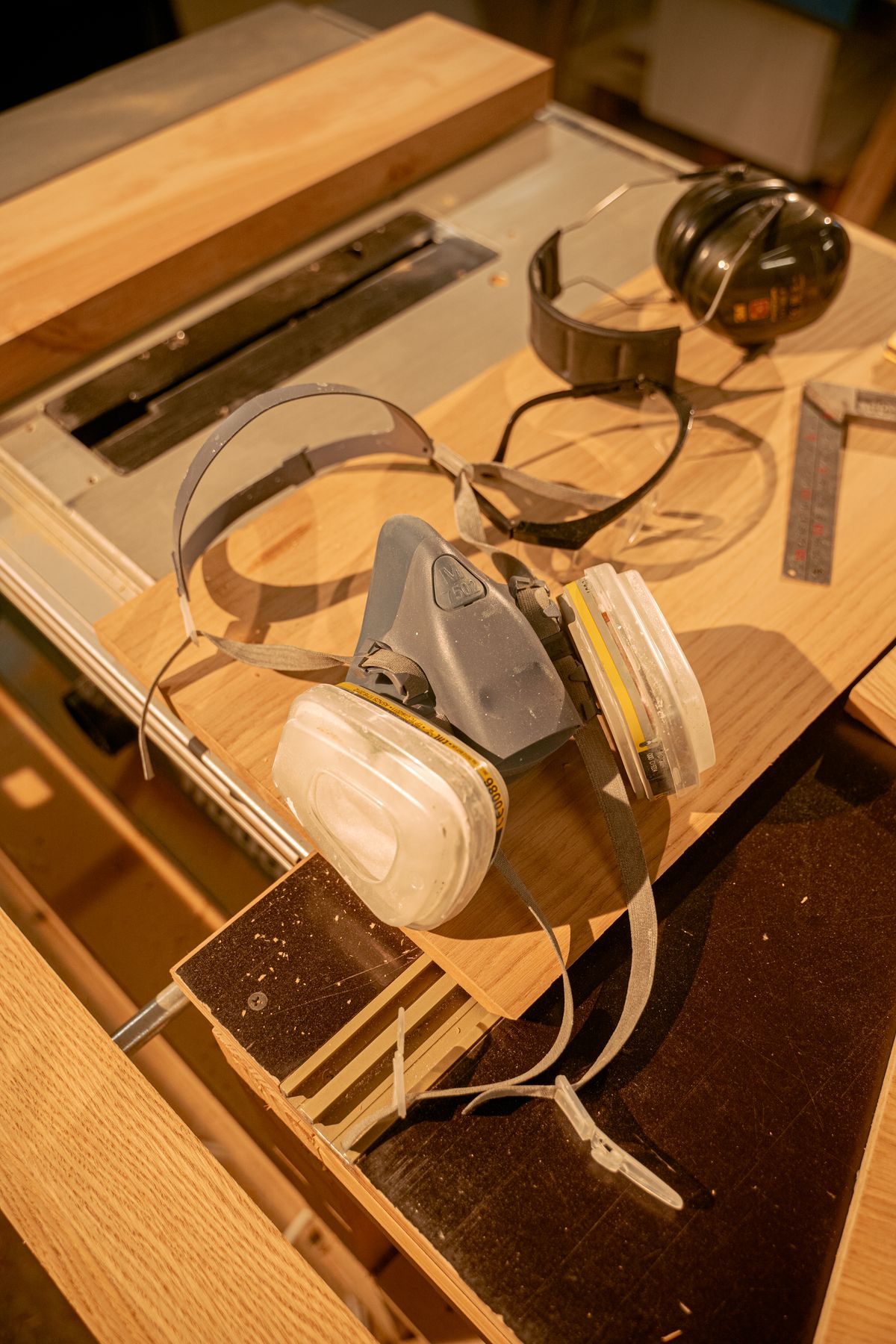
Read the guide ↗A dust mask is not a general permission slip for a dusty job. The material, exposure and fit determine what protection is needed—and whether the task should be attempted at all.
Read the guide ↗Eye protection should suit the actual risk, fit comfortably and leave you able to see the task clearly. Ordinary spectacles do not cover every workshop hazard.
Read the guide ↗Bending a tape into the corner of an opening makes the reading difficult to judge. A planned method gives a clearer width for a drawer insert or freestanding organiser.
Read the guide ↗A bare number in a phone note is easy to misread later. A useful measurement record tells you what was measured, in which direction and with what clearance.
Read the guide ↗Sorting fixings at the beginning makes flat-pack instructions easier to follow and reduces the temptation to use a screw that merely looks close enough.
Read the guide ↗A short tool inventory helps you find what you own, spot a missing size and avoid buying another set because the useful piece is hidden.
Read the guide ↗Microfibre works best as part of a deliberate cleaning routine, not as one increasingly dirty cloth carried through every room. Keep its job and care instructions clear.
Read the guide ↗Streak-free indoor glass usually depends more on clean cloths, controlled moisture and timing than on adding extra product. Begin with accessible panes and the right surface guidance.
Read the guide ↗Brushed stainless steel can show fingerprints and cloudy wipe marks even after cleaning. A gentle method that respects the grain is a better starting point than hard scrubbing.
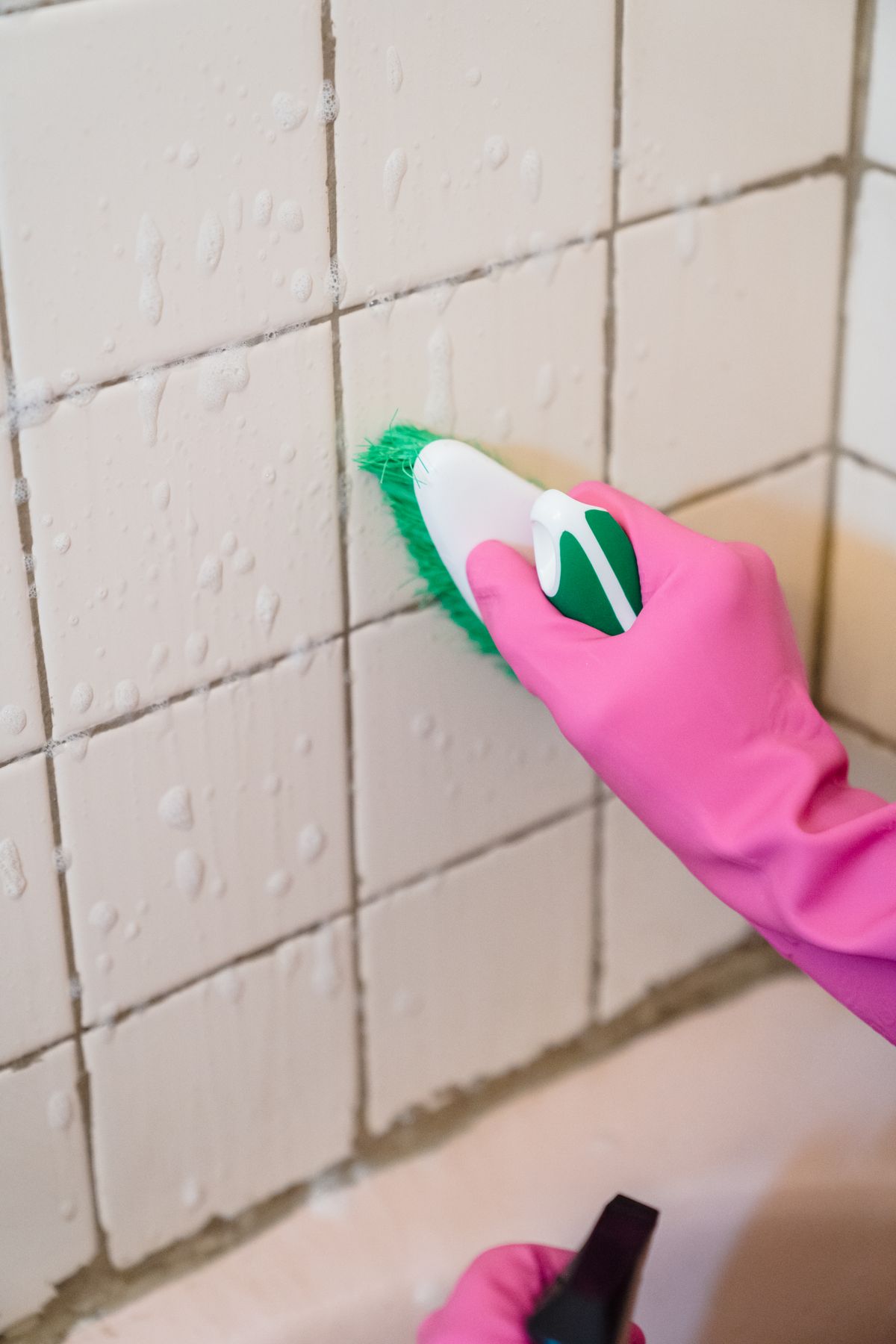
Read the guide ↗For ordinary dirt on intact grout, a mild compatible cleaner and a soft brush are a more sensible starting point than strong acids or vigorous scraping.
Read the guide ↗Dishwasher filters differ in shape and release method. The safest useful starting point is the manual for your exact machine, not a generic twist-and-pull instruction.
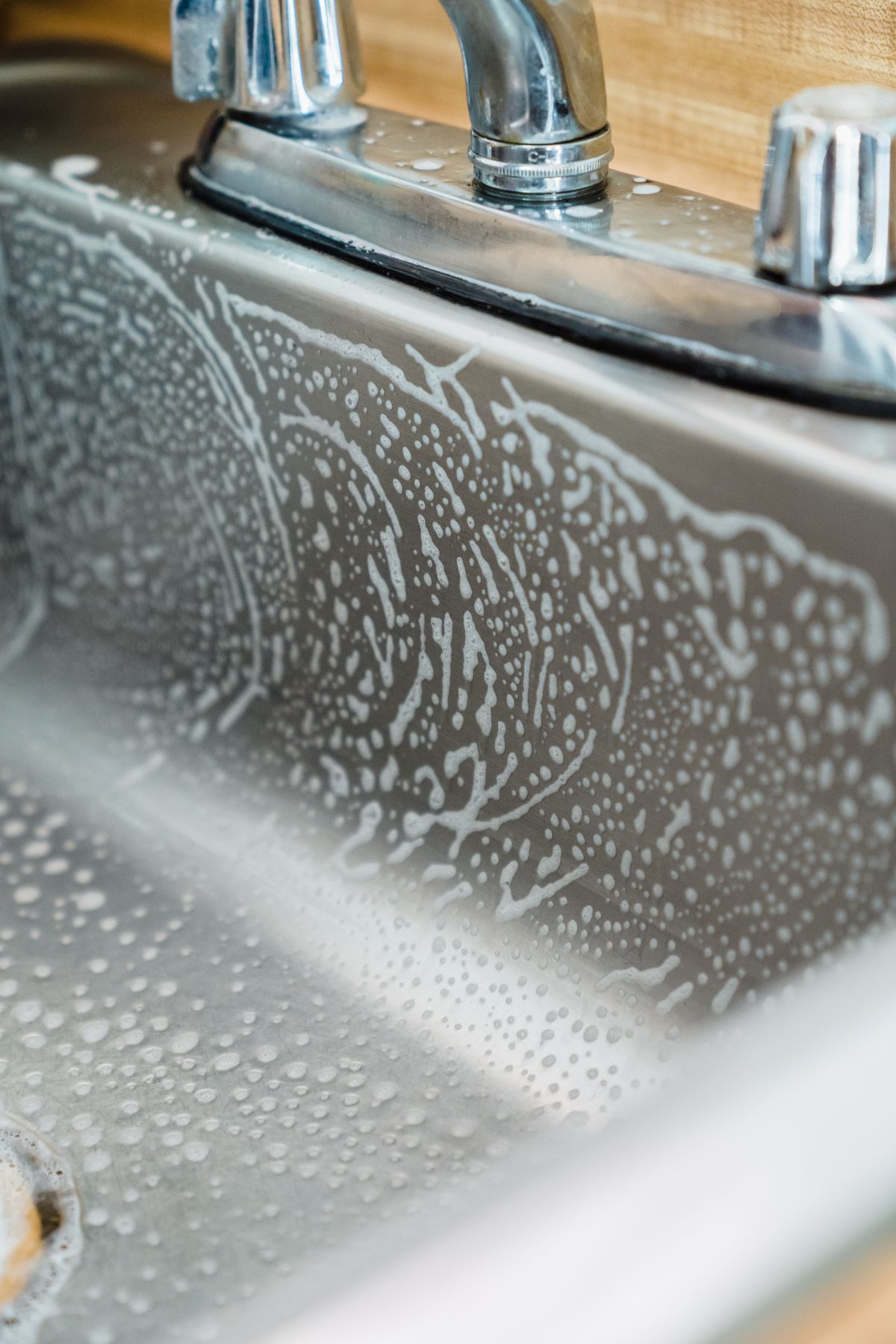
Read the guide ↗A short sink clean after washing up prevents food residue from becoming the next day's job. Match the method to the sink material and keep the routine simple.
Read the guide ↗The right vacuum attachment can improve control and protect a surface. Choose it before starting, and check the vacuum's manual rather than assuming every brush suits every material.
Read the guide ↗Curtains that look like ordinary fabric may have linings, coatings or trims that change how they can be cleaned. The whole care label matters, not just the face fabric.
Read the guide ↗Painted skirting collects dust and shoe marks, but repeated hard scrubbing can leave a shinier patch or remove the coating. Start with the least aggressive compatible method.
Read the guide ↗Laminate flooring often responds well to light, controlled cleaning, but water resistance varies by product. Treat the floor's own maintenance instructions as the starting point.
Read the guide ↗A sofa's fabric appearance does not tell you which cleaner is safe. The maker's care instructions, upholstery construction and the type of mark should guide the first move.
Read the guide ↗A doormat's backing can matter as much as its top surface. Check both before washing, soaking or drying it, especially when it sits on a delicate floor.
Read the guide ↗Fridge shelf cleaning needs a little planning: food must stay appropriately chilled, cold glass needs careful handling and removable parts must go back in the correct position.
Read the guide ↗Residue in a detergent drawer can be easier to manage when the drawer is designed to come out. Find the release instructions before pulling harder.
Read the guide ↗Laptop displays may have delicate coatings that ordinary window cleaner can damage. The safest routine begins with the exact device's care instructions and a clean, suitable cloth.
Read the guide ↗A bookcase clean is more effective when books and shelves are treated as different materials. Keep moisture away from paper and avoid turning dust into a cloud.
Read the guide ↗A lampshade's fabric, paper or plastic may need a different cleaning method from the lamp base. Keep the task dry unless the maker specifically permits more.
Read the guide ↗Brown tea marks can make an otherwise clean mug look neglected. Begin with the mug's material and decoration before choosing a stronger cleaning method.
Read the guide ↗A clear separation between cleaning zones makes an ordinary routine easier to follow. The aim is to avoid carrying grime from one area to another in a familiar-looking cloth.
Read the guide ↗The word washable does not mean a rug can be cleaned by any method. Size, backing, machine capacity and drying instructions all need checking together.
Read the guide ↗A cleaning label answers more than how much to use. It tells you where the product belongs, which surfaces to avoid and what must happen after application.
Read the guide ↗Try fewer words or choose another topic.