Recognise what the jaws will touch
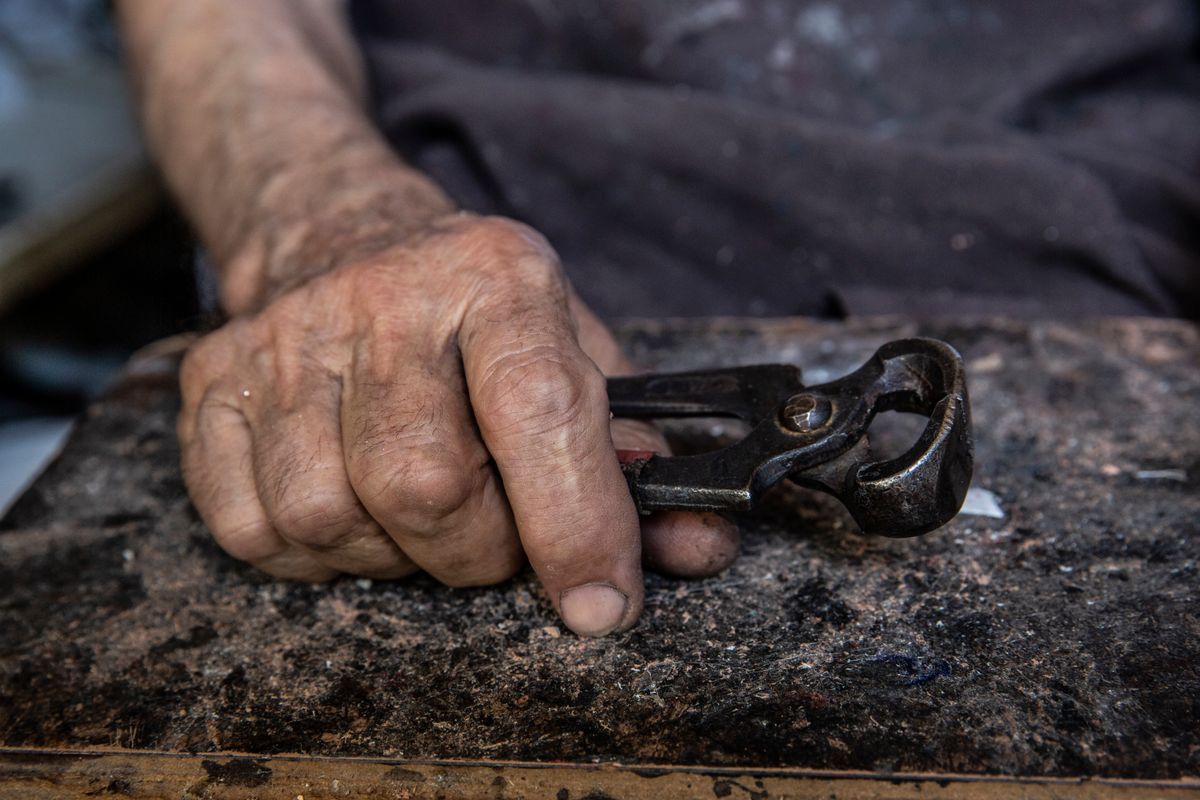
Serrated plier jaws grip by pressing into a surface. That can be useful on a suitable component but damaging on a polished fitting, soft material or a small hexagonal nut. Before squeezing, identify whether the item is intended to be held by flat faces, a special key or a dedicated tool. An attractive chrome surface can be permanently marked by a brief attempt to gain a stronger grip.
Match the tool to the shape
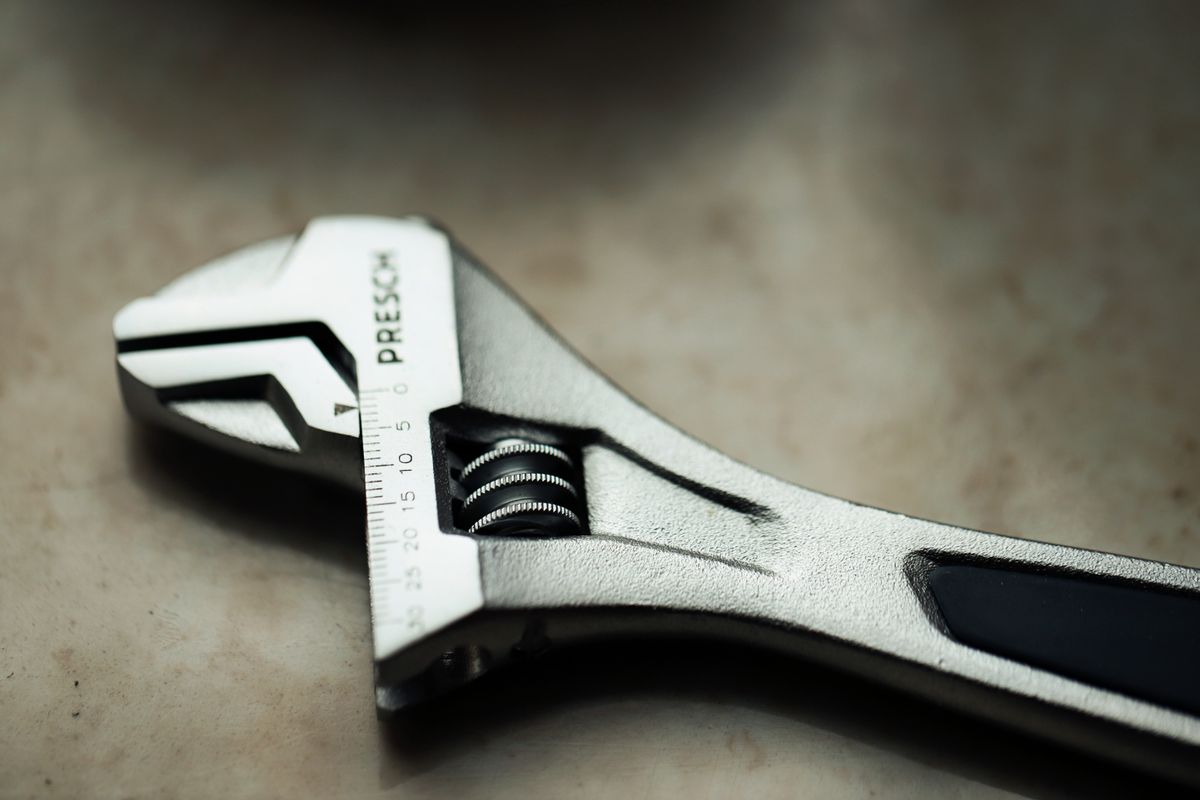
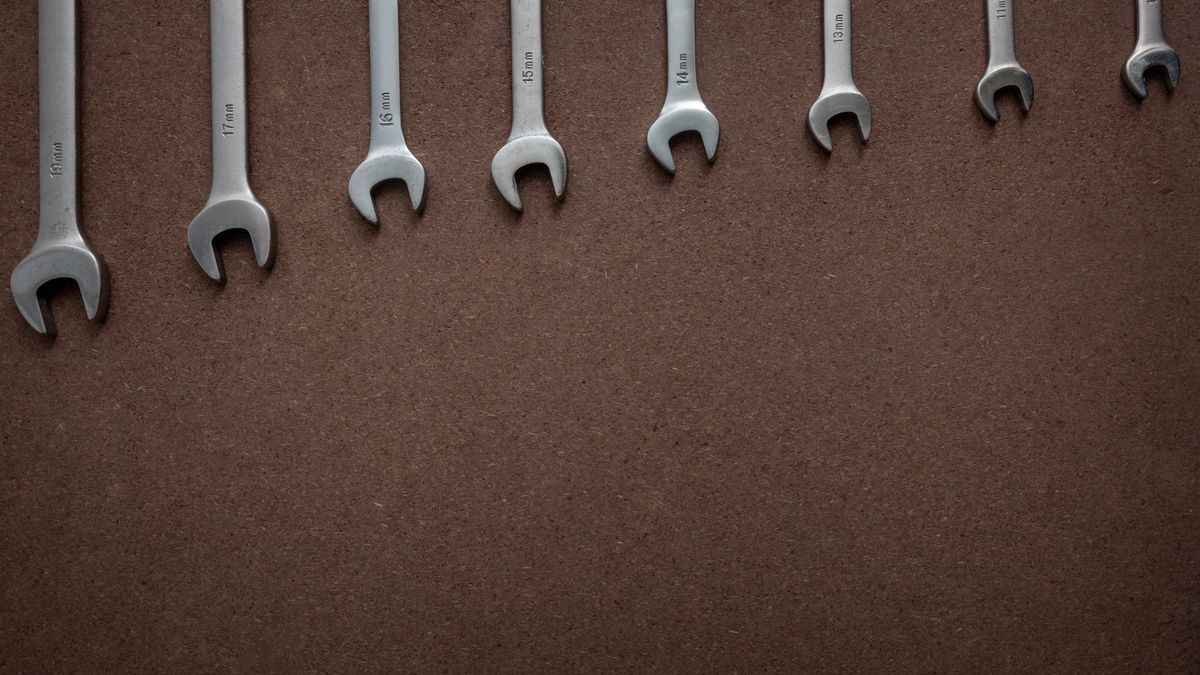
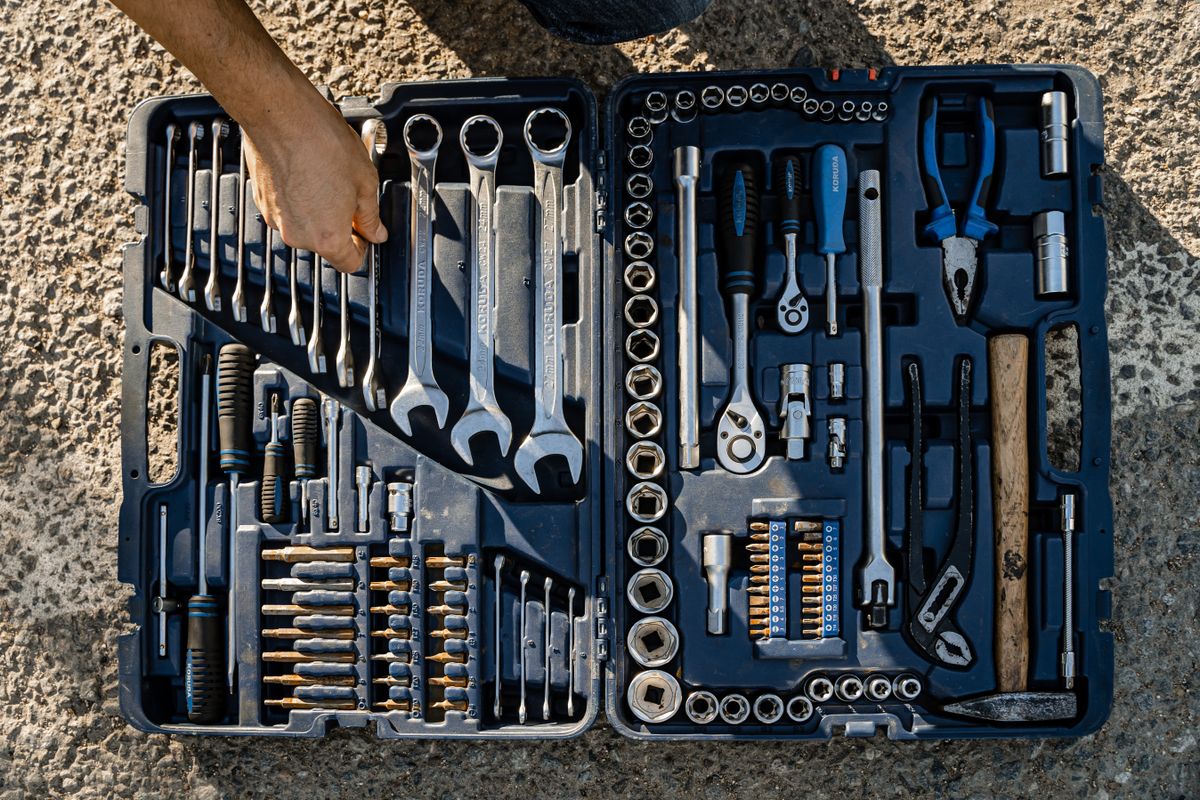
A correctly sized spanner engages a nut's flats in a way ordinary pliers do not. For a delicate finished component, the maker may specify a protected or specialised tool rather than either option. Do not improvise on plumbing, gas or electrical fittings simply because the part is within reach. For safe, ordinary furniture hardware, use the specified driver or spanner and stop if the fixing cannot be identified confidently.
Use pliers within their own limits
If a low-risk task genuinely calls for pliers, select a type intended for it and keep your fingers away from the jaw and handle pinch points. Check that the handles move smoothly and that the jaws are not damaged. Do not add a pipe over the handles to increase leverage. When a part begins to deform, pause rather than squeezing harder. Reassess whether the job involves removal, adjustment or replacement, because each may call for a different approach.
Before you call it done
- Identify the shape and finish before gripping.
- Use fitted tools on ordinary hexagonal fixings.
- Keep fingers clear of closing pinch points.
Know the limit. Pliers are not a workaround for inaccessible, seized or safety-critical fittings. Do not use them on live electrical items or gas components.