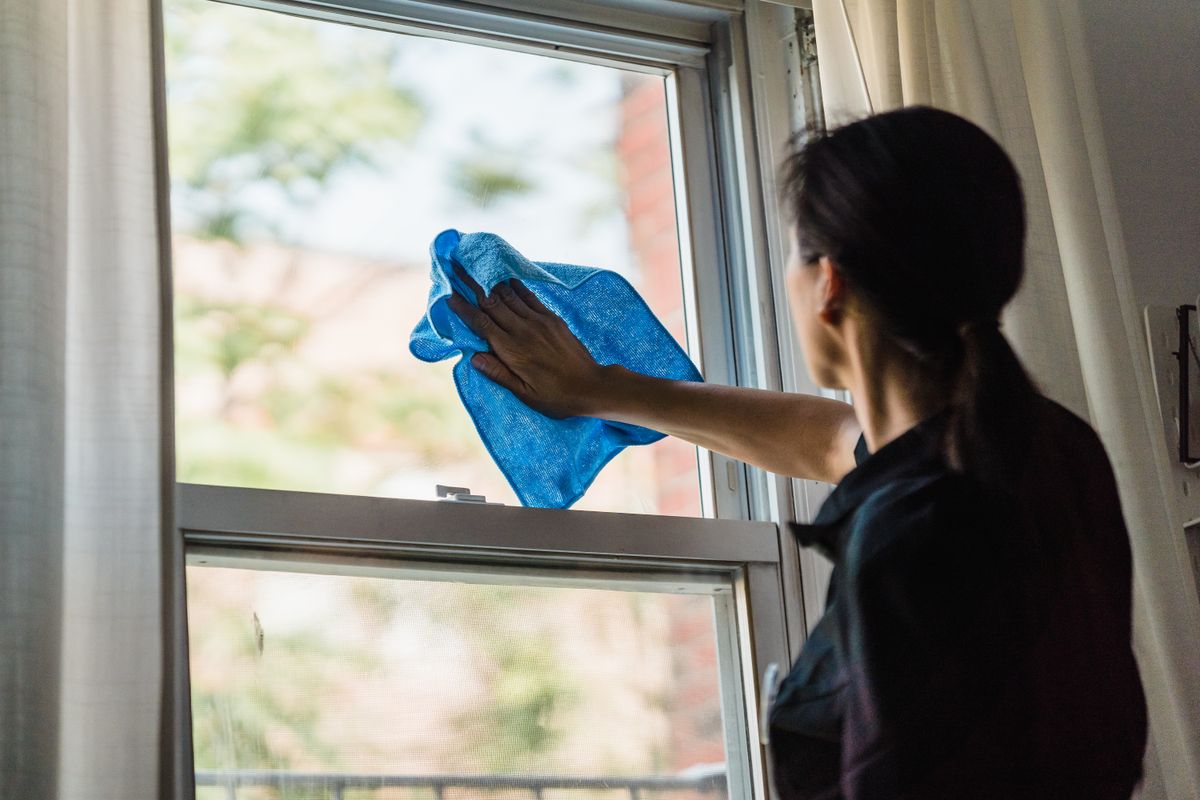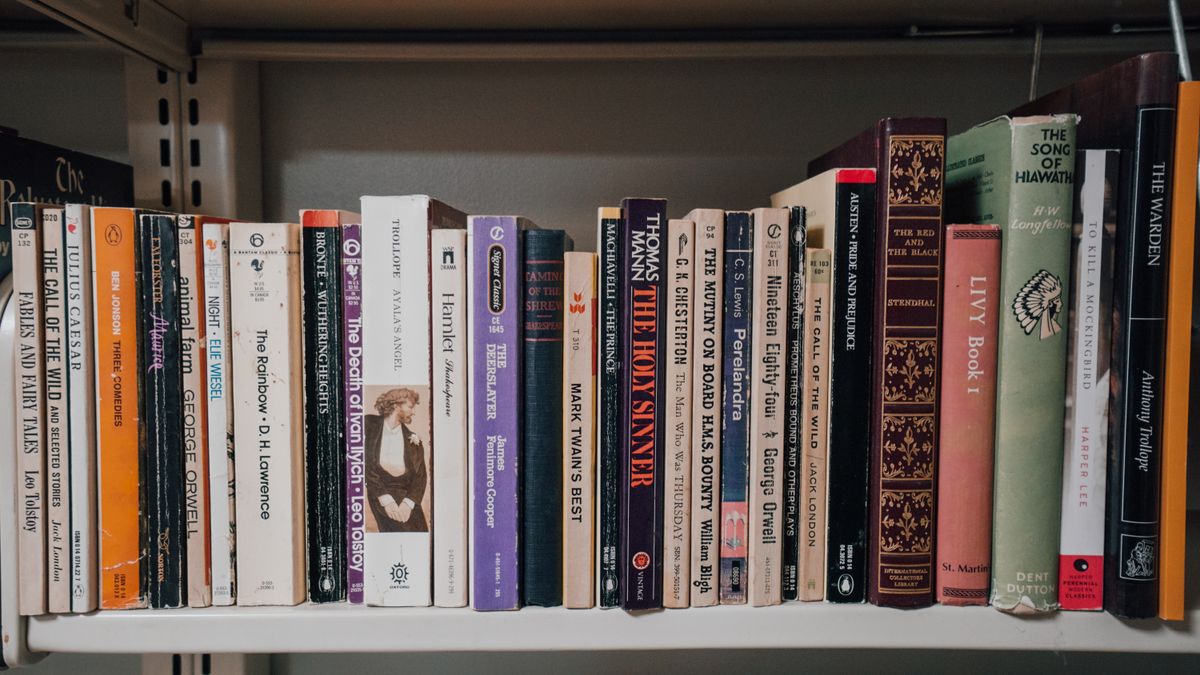
Clear one manageable section
Work on a small group of books so you can return them in order without stacking a precarious pile. Use clean, dry hands and support each book rather than pulling hard on the top of its spine. Check for loose bindings, damp patches or signs of pests before handling everything as ordinary dust. Valuable, fragile or visibly affected books deserve specialist advice instead of a brisk household clean.
Dust books gently and shelves separately
For sound everyday books, use a soft suitable brush or other conservation-aware dry method that does not push dust into the pages. Keep the book closed while cleaning its outer edges. Do not spray polish or cleaning liquid near exposed paper. Clean the empty shelf using the method appropriate to its finish, with a separate cloth. Pay attention to corners and shelf supports without disturbing the bookcase's fixings or stability.
Return books to a dry shelf
Wait until the shelf is fully dry before putting books back. Leave enough room to remove a volume without dragging against its neighbours. Keep books away from a persistently damp wall or direct sources of heat, and investigate any recurring musty smell rather than masking it with fragrance. Take the opportunity to check that the shelf is not visibly bowing or overloaded. Cleaning should not require climbing the bookcase; inaccessible upper sections need a safe access plan or help.
Before you call it done
- Work in small, stable groups of books.
- Keep sprays and moisture away from paper.
- Return books only to completely dry shelves.
Know the limit. Do not brush mouldy, infested or fragile valuable books as an ordinary dusting task. Isolate the concern appropriately and seek specialist conservation or pest advice.