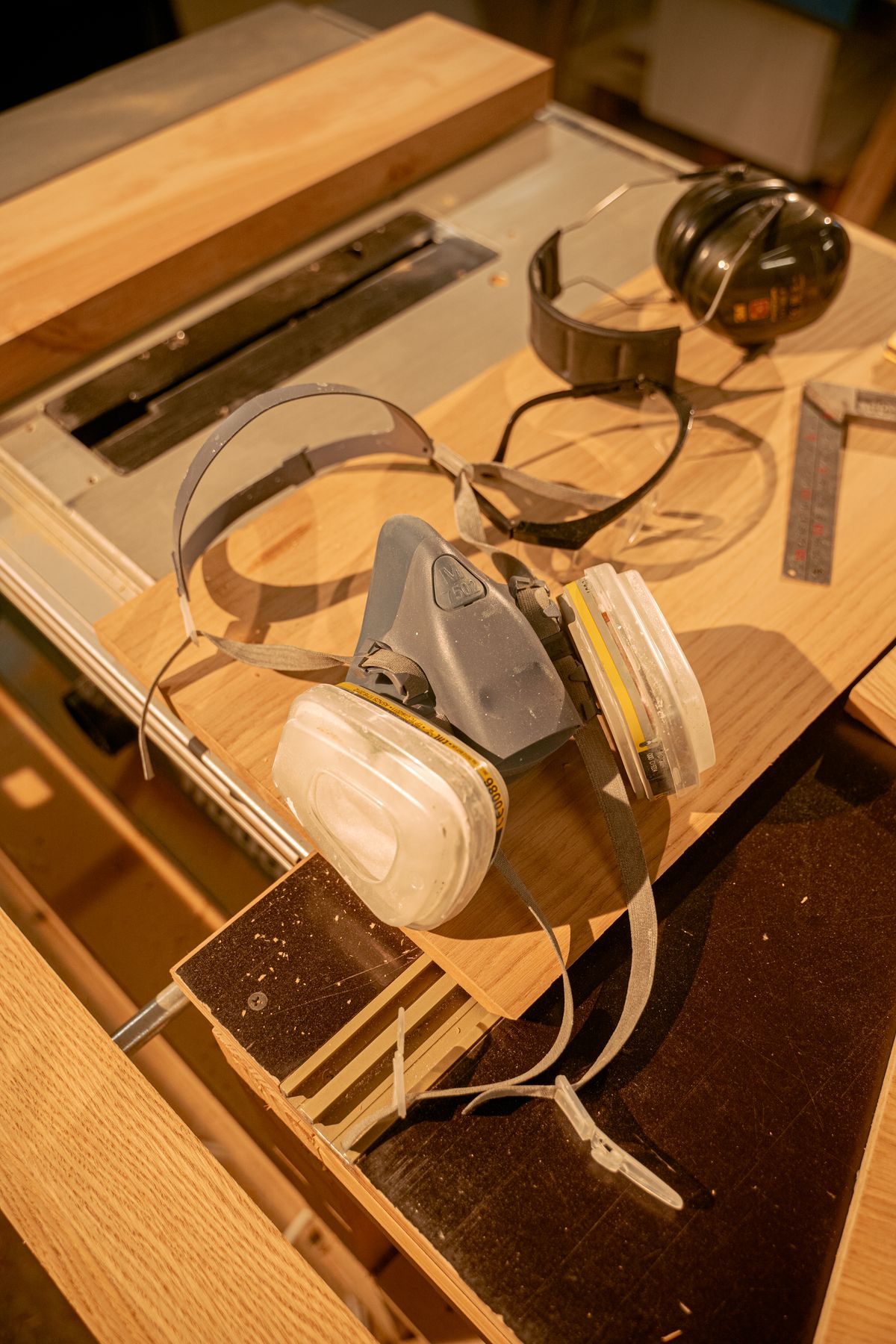
Identify the material before disturbing it
Old coatings, boards and building materials can contain hazards that are not recognisable by colour or smell. Do not sand, scrape, drill or sweep unknown material simply because a mask is available. This is especially important in older homes. If the material is uncertain, stop before producing dust and seek competent advice. A low-dust alternative is useful only when it genuinely avoids disturbing the hazardous material.
Understand the limits of the label
Different respiratory products protect against different hazards. A particulate respirator is not automatically protection against gases or vapours, and a loose decorative face covering is not a substitute for suitable respiratory protective equipment. HSE guidance stresses correct selection, training and fit for tight-fitting equipment. Facial hair in the sealing area can interfere with that seal. A product's protection claim depends on correct use, not merely on owning the right-looking mask.
Use guidance, not an improvised rule
Read the manufacturer's instructions and the relevant safety guidance for the specific task. Workplace requirements can include face-fit testing and broader controls; a quick user seal check is not the same thing as a formal fit test. If suitable control cannot be established, choose not to do the work. Store clean equipment as directed, away from contamination, and do not reuse a damaged or unsuitable item. The sensible household decision is often to avoid the dusty operation rather than upgrade a shopping list.
Before you call it done
- Identify the material before creating dust.
- Check the exact hazard and protection limits.
- Stop when safe control is uncertain.
Know the limit. This is not a respirator-selection prescription. Suspected asbestos, lead or other hazardous dust needs competent assessment, not a trial run with a disposable mask.