Watch where the latch meets the frame
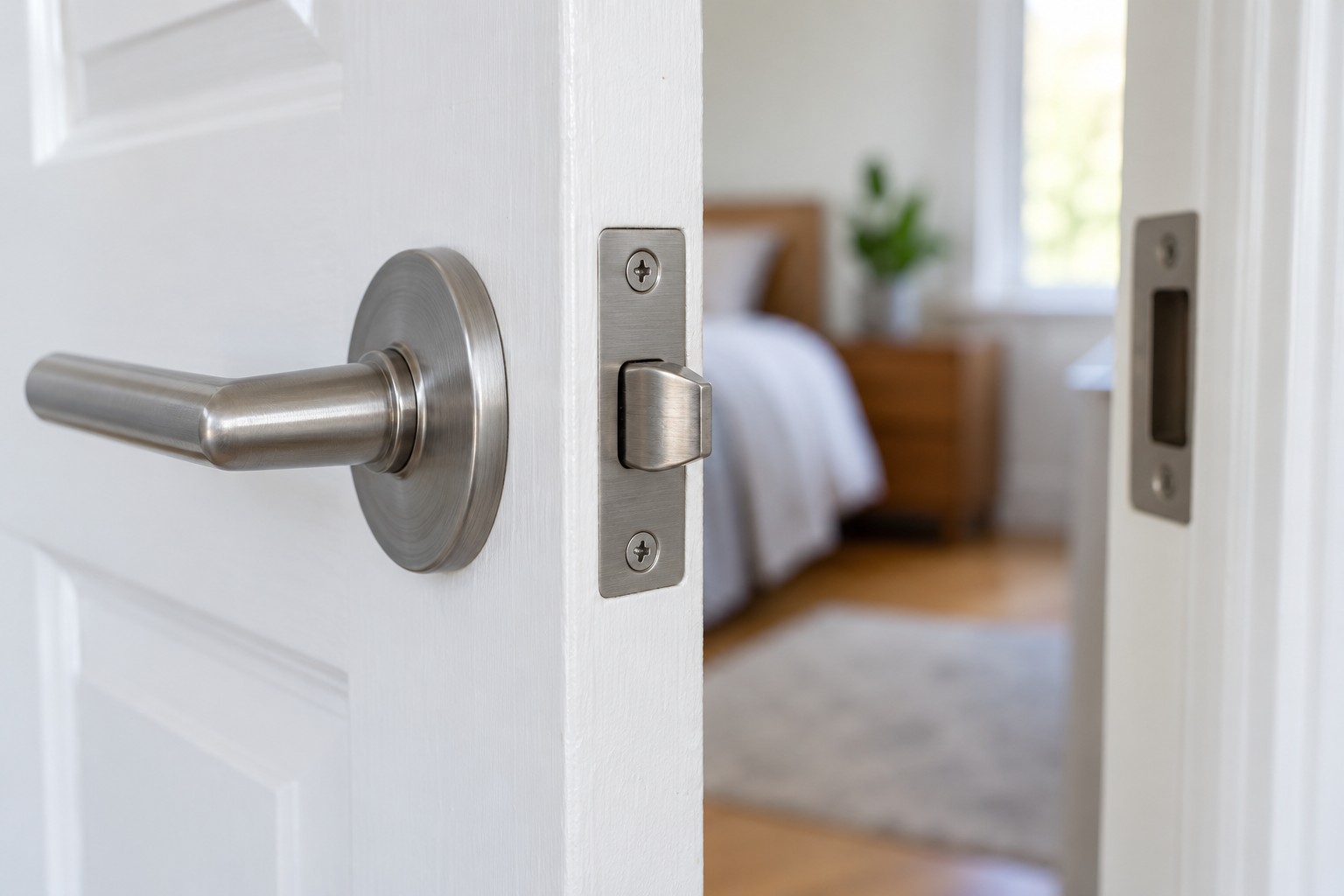
Close the door slowly without pushing it hard. Look for marks around the strike plate and note whether the latch passes above, below or beside the opening. Check for a displaced rug or object that stops the door reaching its normal position. Test the handle gently with the door open to see whether the latch retracts and returns. Keep fingers clear of the door edge during these checks.
Look for movement elsewhere
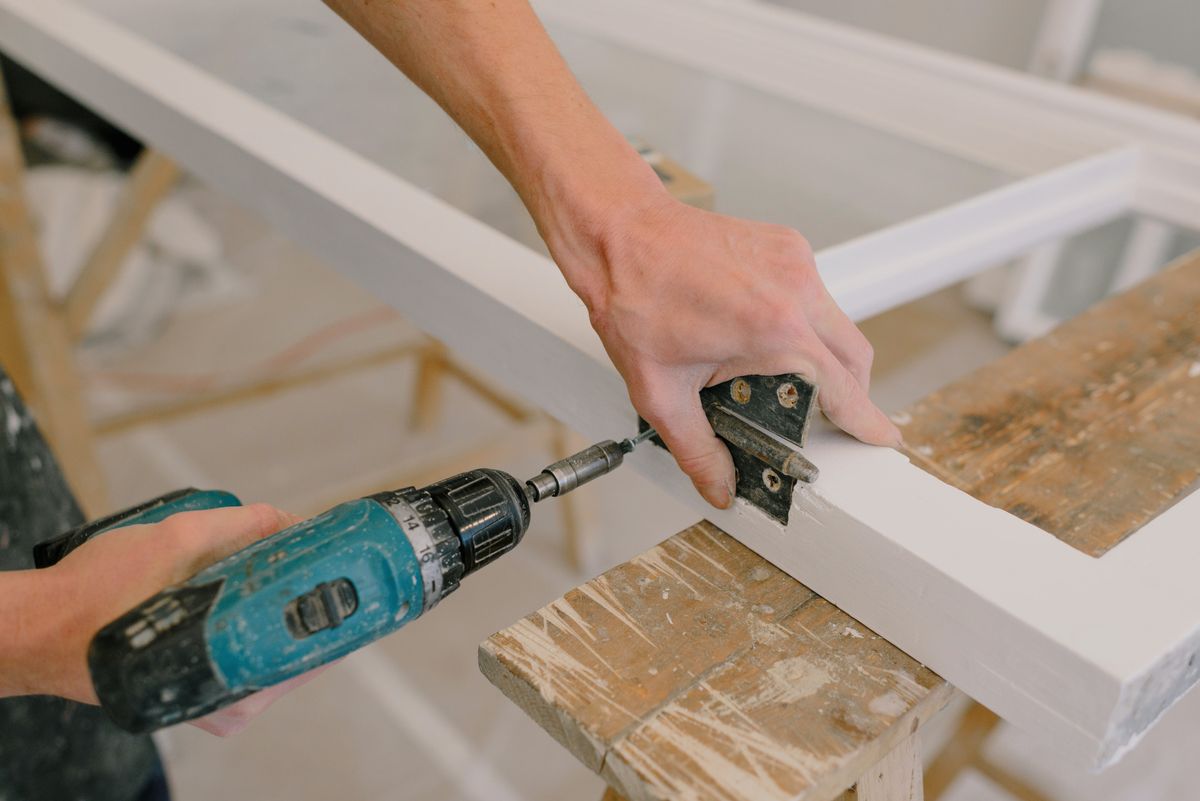
Inspect ordinary visible hinge fixings and compare the gap around the door. A sagging door, swollen edge or loose handle can affect latching even when the strike plate looks like the obvious problem. Do not remove a plate or enlarge its opening as the first response. If a simple loose handle screw is accessible, use only the correct hand tool and stop if the fixing is damaged. Record any recent flooring or decorating work that changed the fit.
Explain the fault before choosing a repair
A photograph of the contact marks and the perimeter gap will help a repairer distinguish alignment from mechanism failure. If the latch sticks internally or the handle does not return, find the relevant hardware instructions rather than spraying an unknown product into the assembly. Do not shut someone into a room with an unreliable latch. Once repaired, test normal closing and opening from both sides without slamming, and check that the door remains easy to release.
Before you call it done
- Observe where the latch contacts the keep.
- Compare the gap around the door.
- Test access from both sides after repair.
Know the limit. Fire doors, emergency exits and security doors require their specified maintenance; do not alter their latching arrangements.