Inspect before sitting down
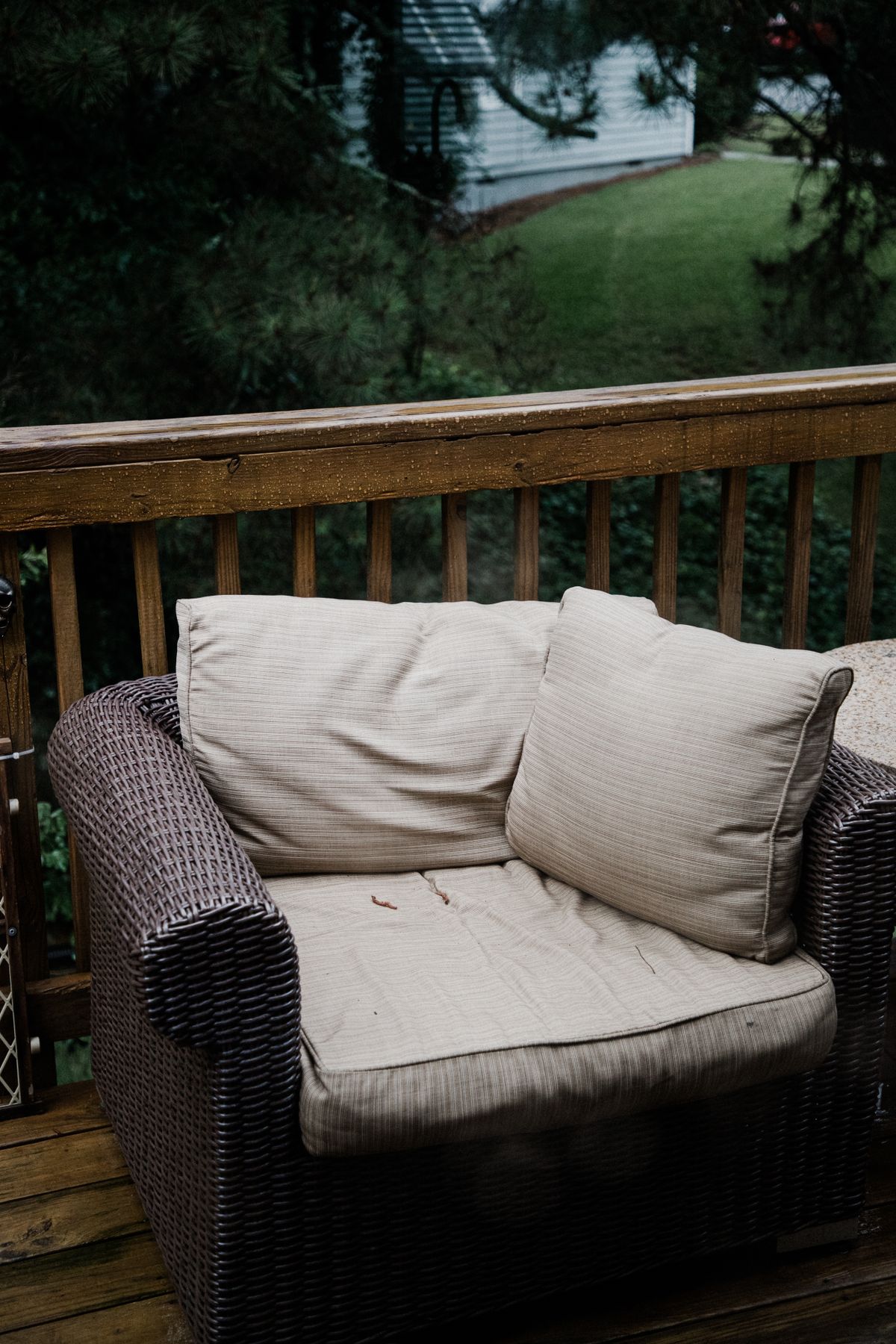
Place the empty chair on a firm, level surface and look over the frame. Check for cracks, split material, severe corrosion or missing components. Examine the underside and the join between the seat and legs without putting yourself in an awkward lifting position.
Compare visible fixings with the maker's instructions. Tighten only the appropriate accessible fixings using the specified method; overtightening can damage a joint. Do not substitute random bolts or screws where a load-bearing component is missing.
Check folding and adjustment mechanisms
For a folding chair, open it fully and confirm the intended locks or stays engage as described. Keep fingers away from pinch points. If a mechanism sticks, do not force it while somebody sits in the chair.
Inspect fabric seats, slats and straps for damage, particularly at their attachment points. Sun and moisture can weaken some materials without leaving obvious dirt. Set a doubtful chair aside rather than relying on a cushion to hide a weak area.
Choose the position carefully
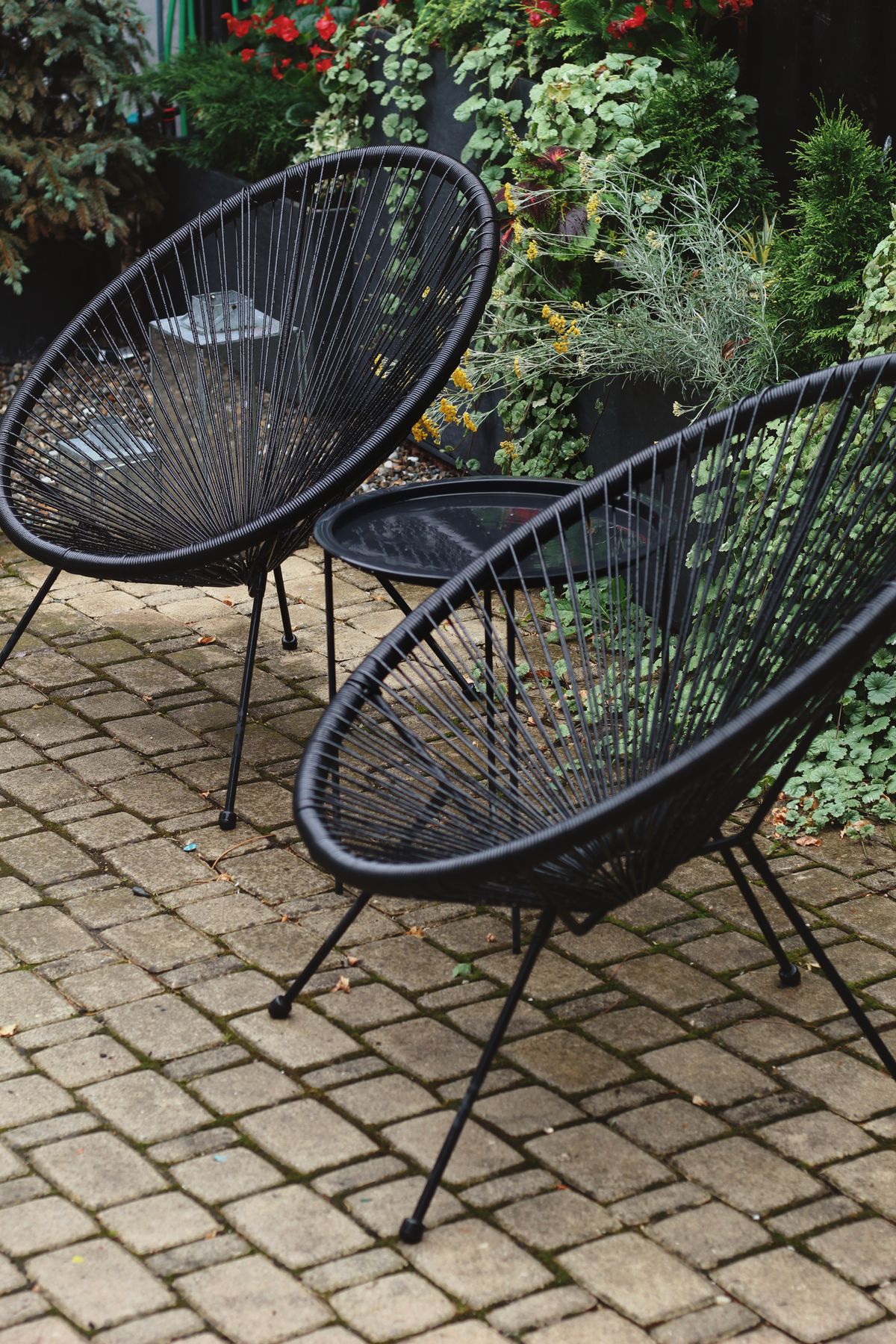
Put the chair on a surface suitable for its feet. Narrow legs may sink into soft ground, while uneven slabs can make a sound chair rock. Keep the chair away from steps and awkward edges. Clean and care for the material using its own guidance once the structural check is complete.
Before you call it done
- The frame and seat show no concerning damage.
- Folding locks engage correctly.
- The chair stands securely on its intended surface.
Know the limit. Do not use a chair with damaged structural parts, and never use garden seating as a ladder or work platform.