Group compatible needs
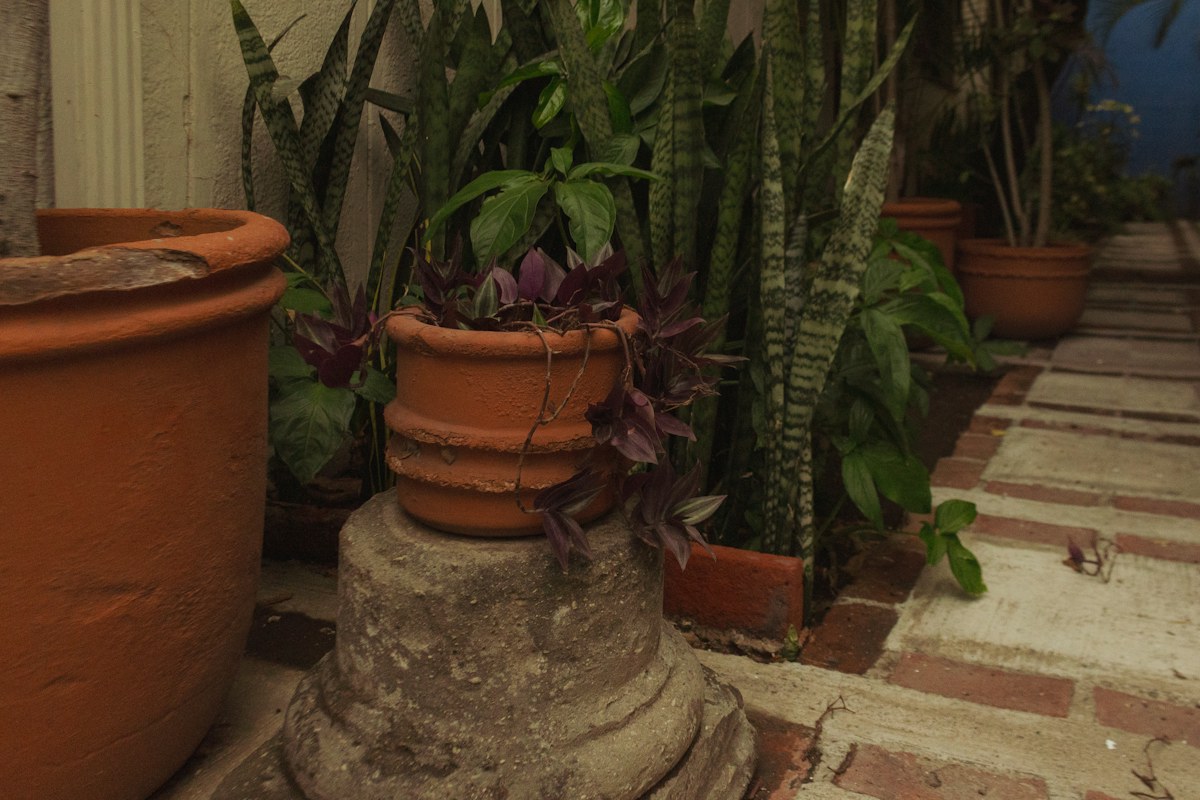
Check each plant's light and watering requirements. Plants with different needs may look attractive together but require separate attention. Do not assume that identical pots mean identical watering schedules; the plant, compost, exposure and container size all affect drying.
Keep plants needing a different location in that suitable location rather than moving them for visual symmetry. Start with a small group so you can observe how it behaves through the day and after rain.
Leave a route for watering and inspection
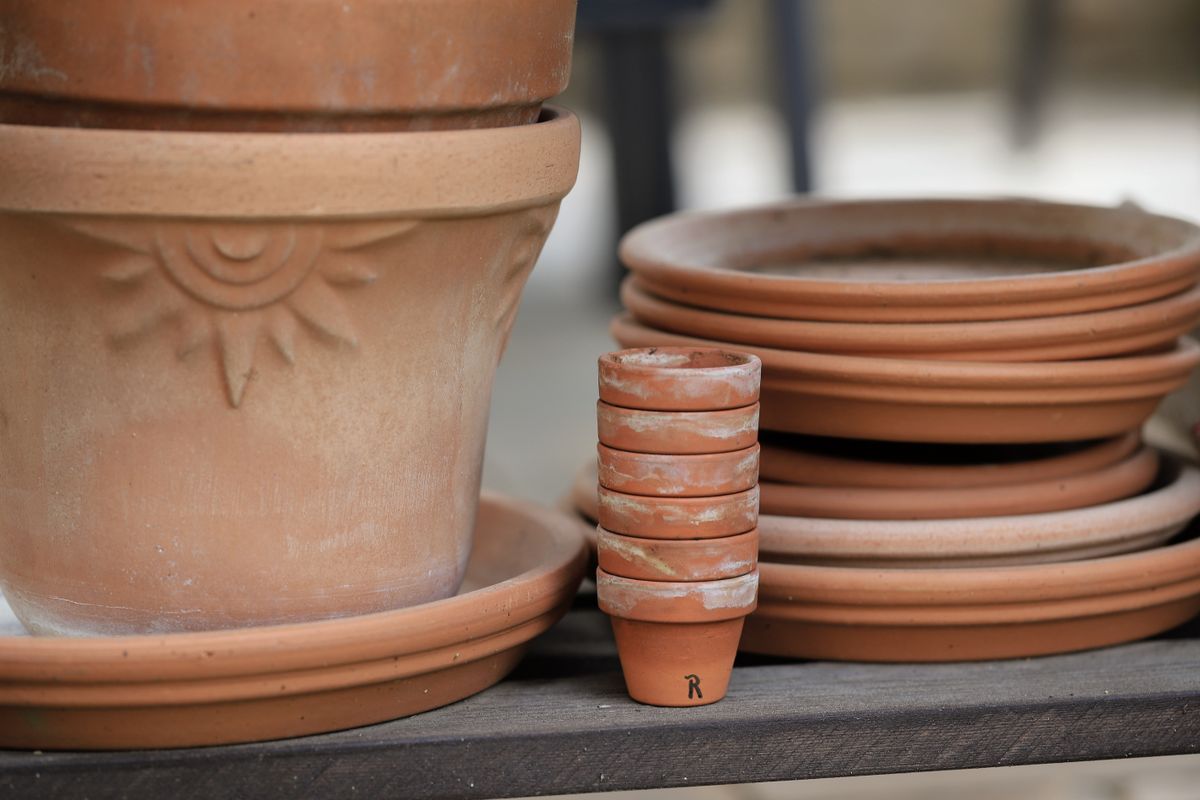
Position pots so you can see and reach the compost without leaning over unstable containers. Keep drainage outlets accessible and avoid balancing pots on improvised narrow supports. Heavy pots may need help to move safely, particularly when wet.
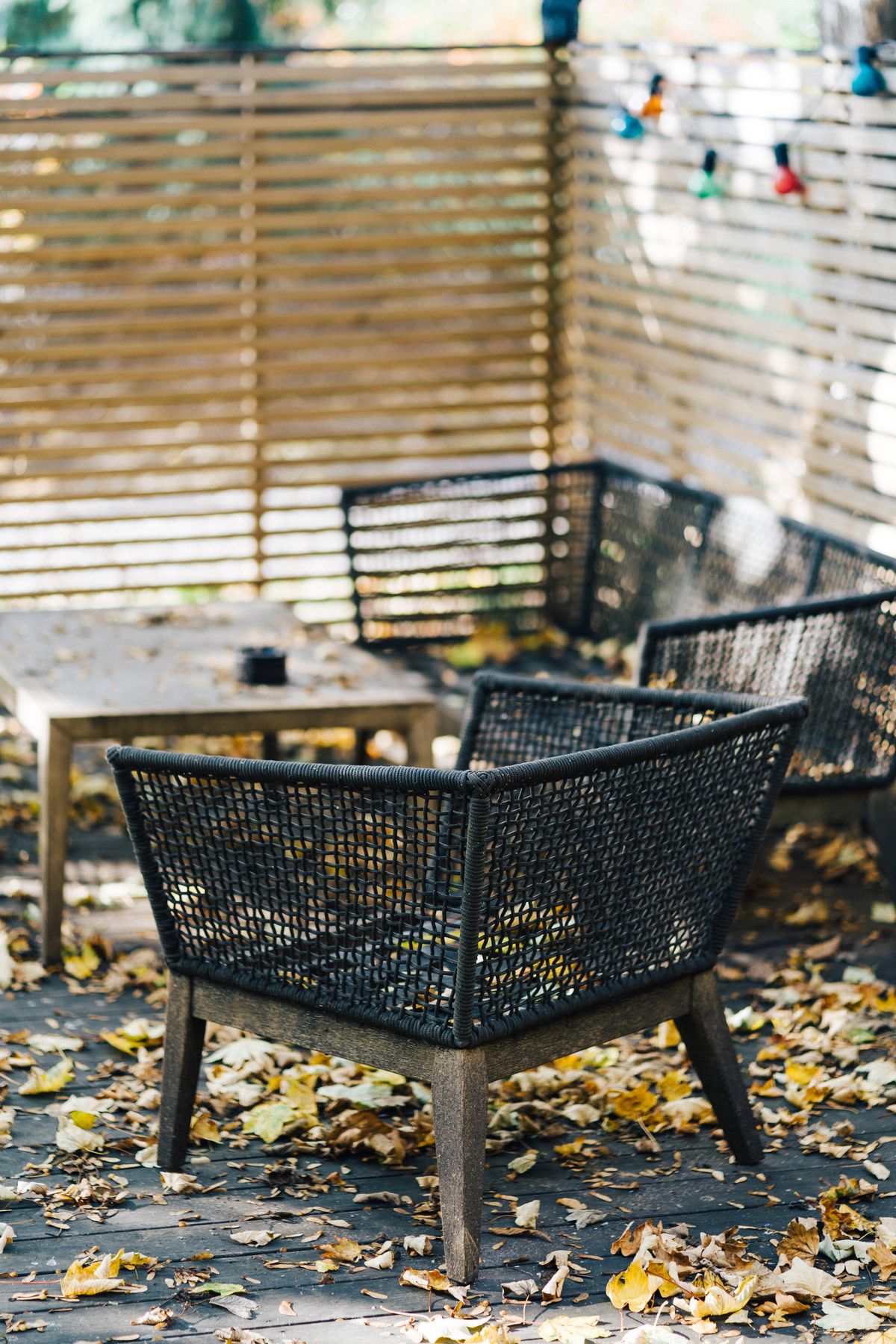
Leave the walking route and door threshold clear. Check where runoff goes, especially on balconies or near neighbouring property. Grouping should not create a hidden puddle or make it impossible to clean leaves from beneath the containers.
Review the group as plants grow
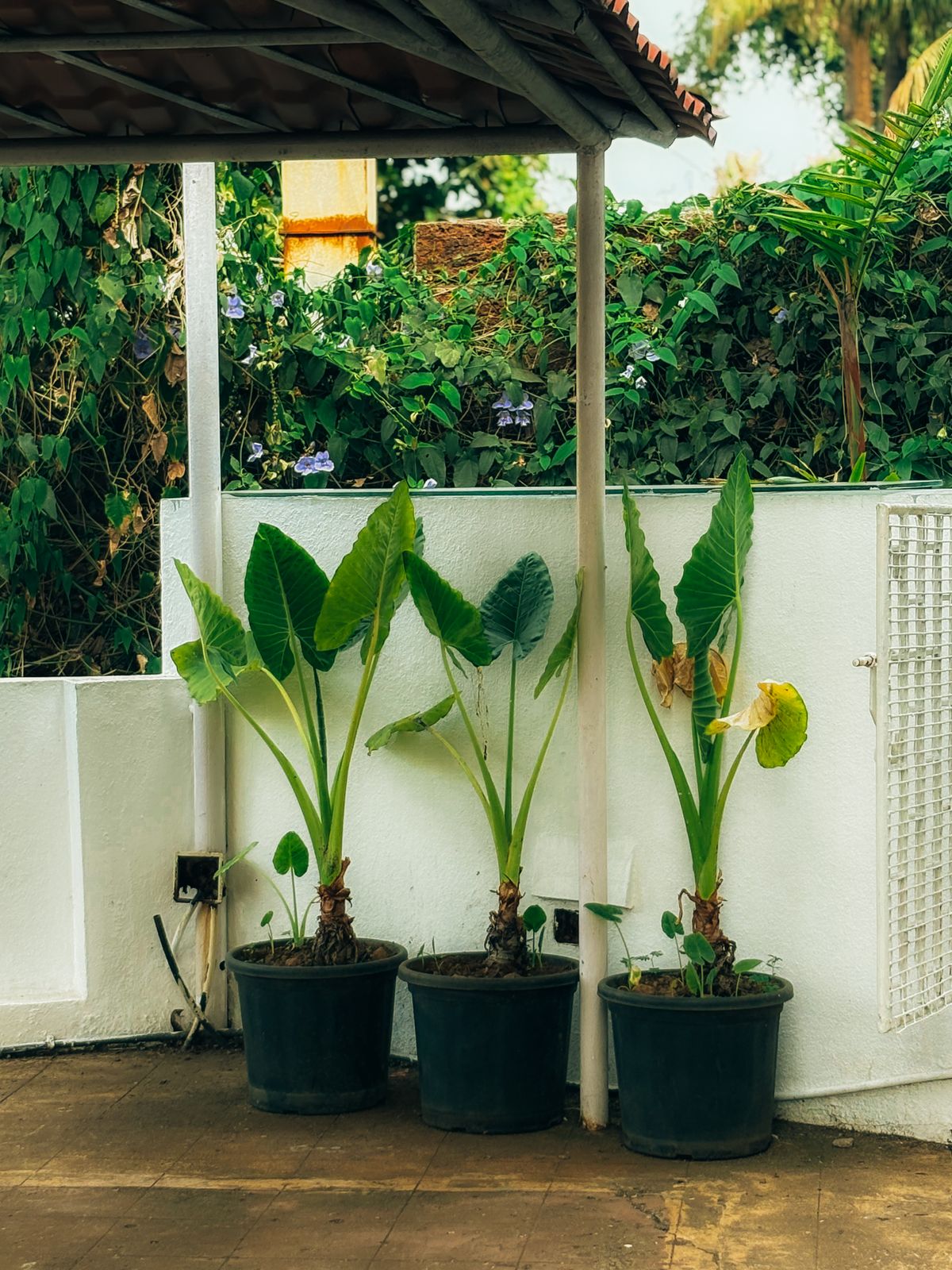
Allow room for foliage to spread without covering every neighbouring pot. Turn or space containers only where this suits the plants and can be done safely. During watering, inspect the less visible pots rather than treating the front row as representative. Adjust the arrangement when growth or weather changes make access difficult; it does not need to remain a permanent display.
Before you call it done
- Plants share suitable conditions or have separate care.
- Every pot can be reached and inspected.
- The route and drainage remain clear.
Know the limit. Check building-specific restrictions and loads before grouping heavy containers on a balcony or raised structure. Appearance is not a measure of structural safety.