Unload before examining the shelf
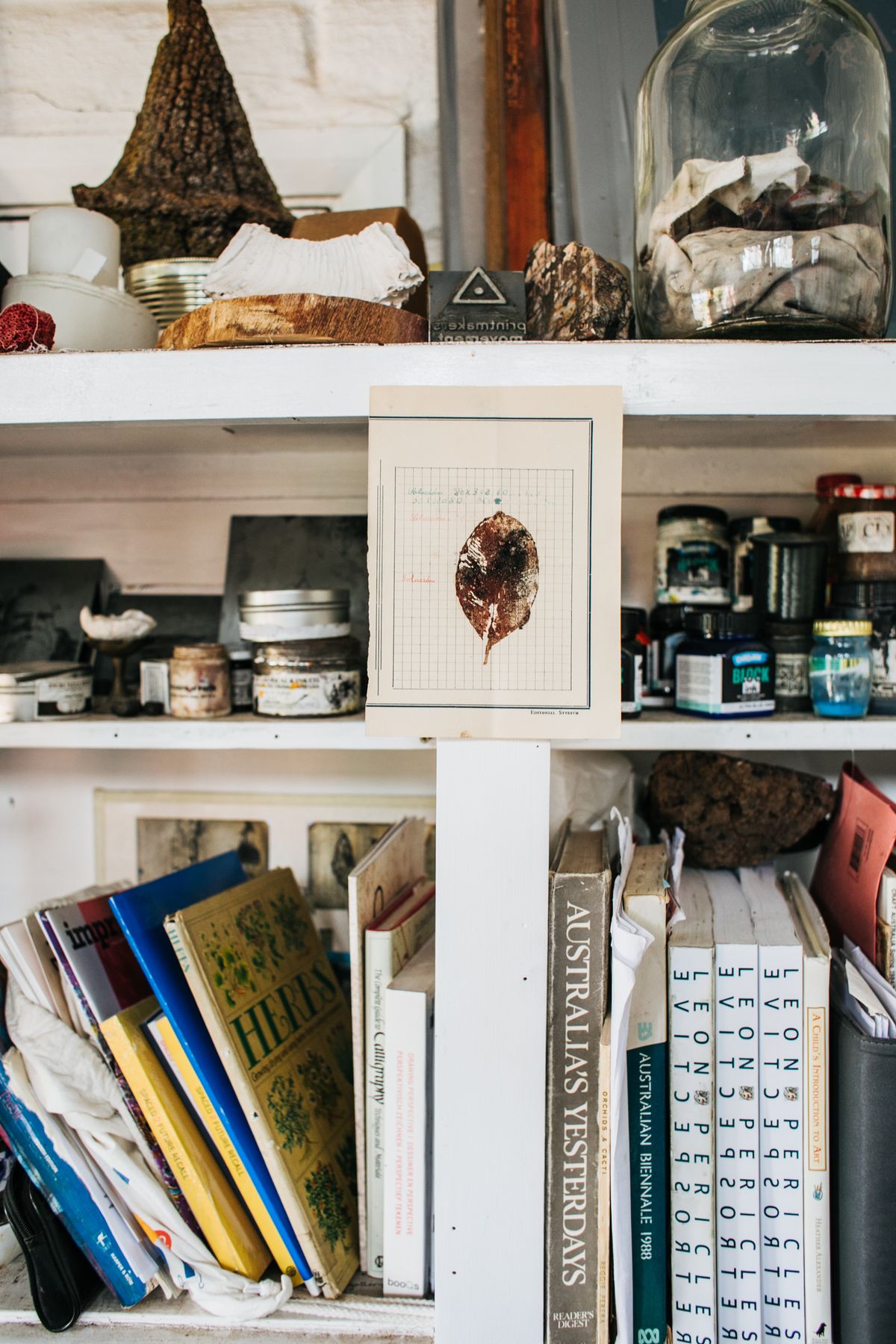
Remove contents gradually, starting with heavy or fragile objects, while keeping clear of a shelf that appears ready to fail. Do not pull a bowed shelf down to test its flexibility. Photograph the loaded appearance if it is safe to do so, then inspect the unloaded surface. Note whether the shelf itself is curved or its supports are moving. Check surrounding cabinet sides for enlarged holes, cracked material or leaning.
Compare the setup with its specification
Look for the furniture instructions or stated shelf capacity, including any requirements for support spacing and wall anchoring. A wide shelf is not automatically designed for a row of heavy books. Confirm that support pins are the correct type and properly seated without dismantling an unstable unit. Wall-mounted shelves involve the wall and fixings as well as the board, so uncertain mounting needs a competent assessment rather than simply buying thicker timber.
Reload conservatively only when sound
If the shelf and supports are undamaged and the arrangement meets its instructions, distribute lighter contents evenly and keep the total within the stated limit. Do not use an unknown load rating as permission to guess. A permanently deformed board or damaged support should be replaced with a compatible part. Keep heavier items in a suitable low position and follow the unit's anti-tip instructions. Recheck the shelf after normal use, especially if its contents change.
Before you call it done
- Remove heavy contents before inspection.
- Check supports as well as the board.
- Follow the unit's load and anti-tip instructions.
Know the limit. Keep clear of failing wall fixings or unstable furniture; do not work underneath a suspect shelf.