Choose a logical colour boundary
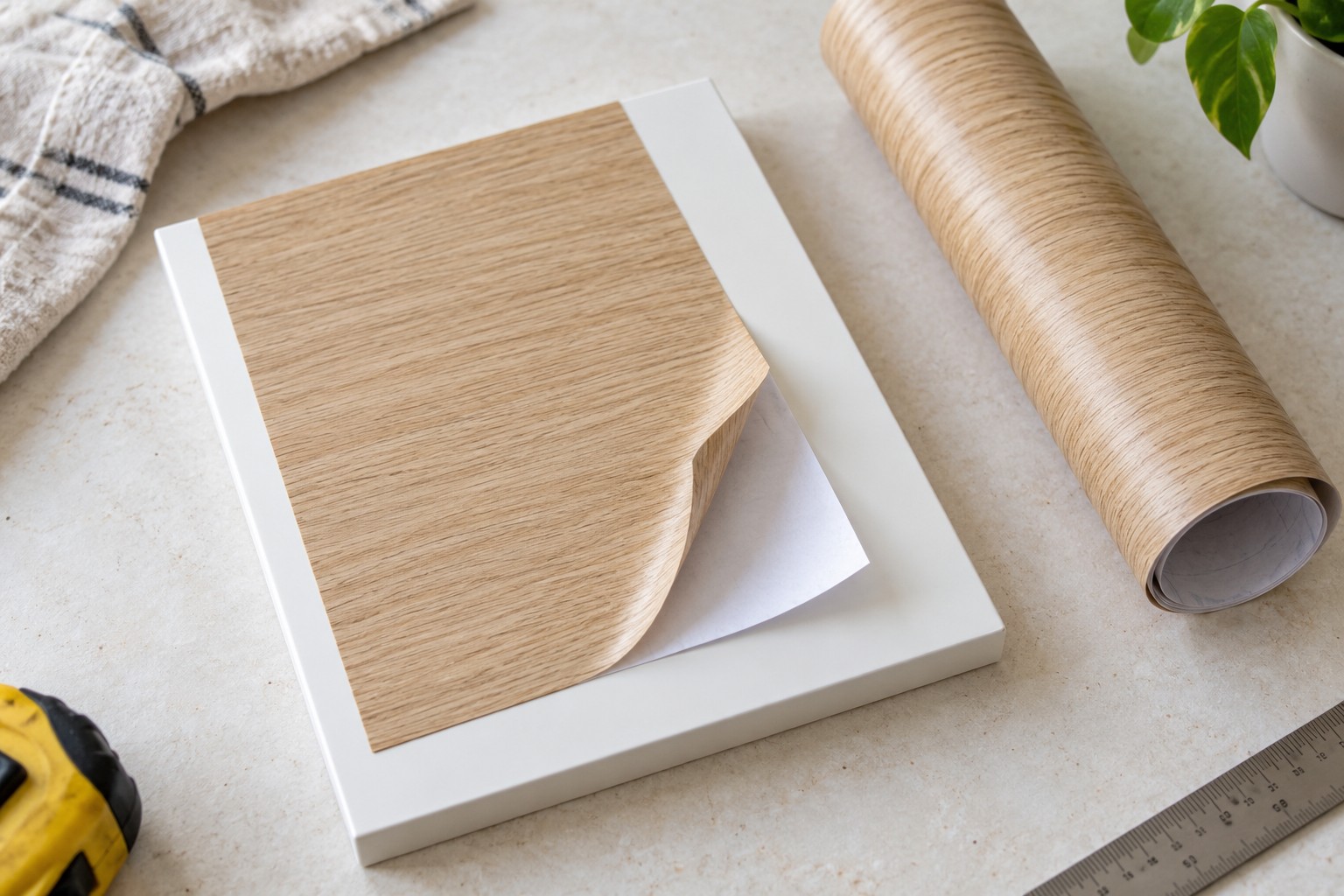
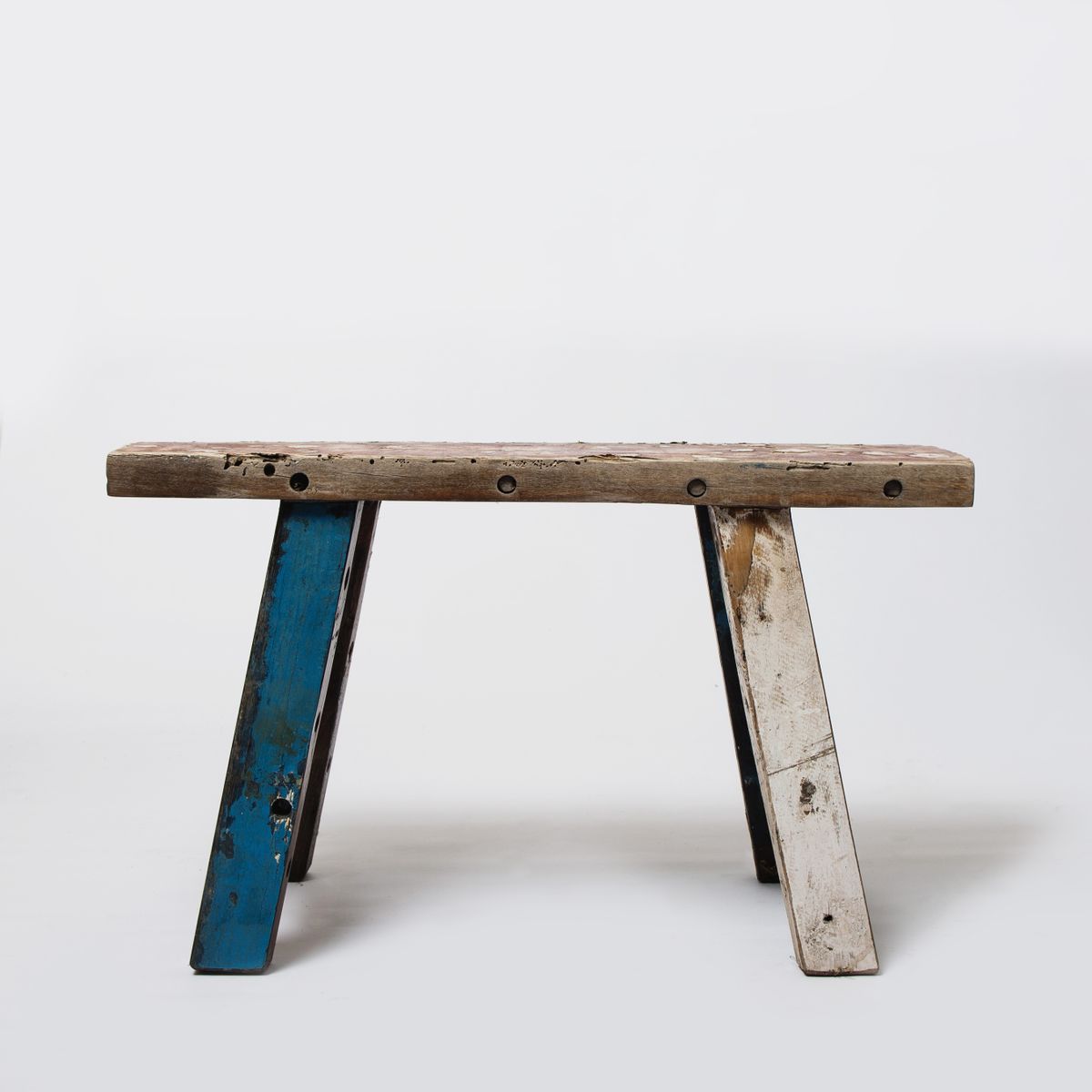
Study the furniture's panels, rails, drawers and legs. Decide whether the second colour will emphasise an existing feature or introduce a new line. Sketch several options or use paper swatches to compare them without applying adhesive to the finish. Think about visible edges when drawers open and whether the back is seen from the room. Too many small colour changes can create unnecessary preparation and touch-up work even when the first sketch looks appealing.
Test colour and finish together
Prepare sample boards with a compatible paint system and label the colour and finish on the back. View them beside the floor and other furniture in the intended room. Check how the two colours behave next to each other, not just separately. Follow drying and recoating instructions before judging sheen or contrast. A matt and a glossy finish can create a stronger visual division than expected, even when the colours appear similar on a printed chart.
Assess the furniture before any preparation
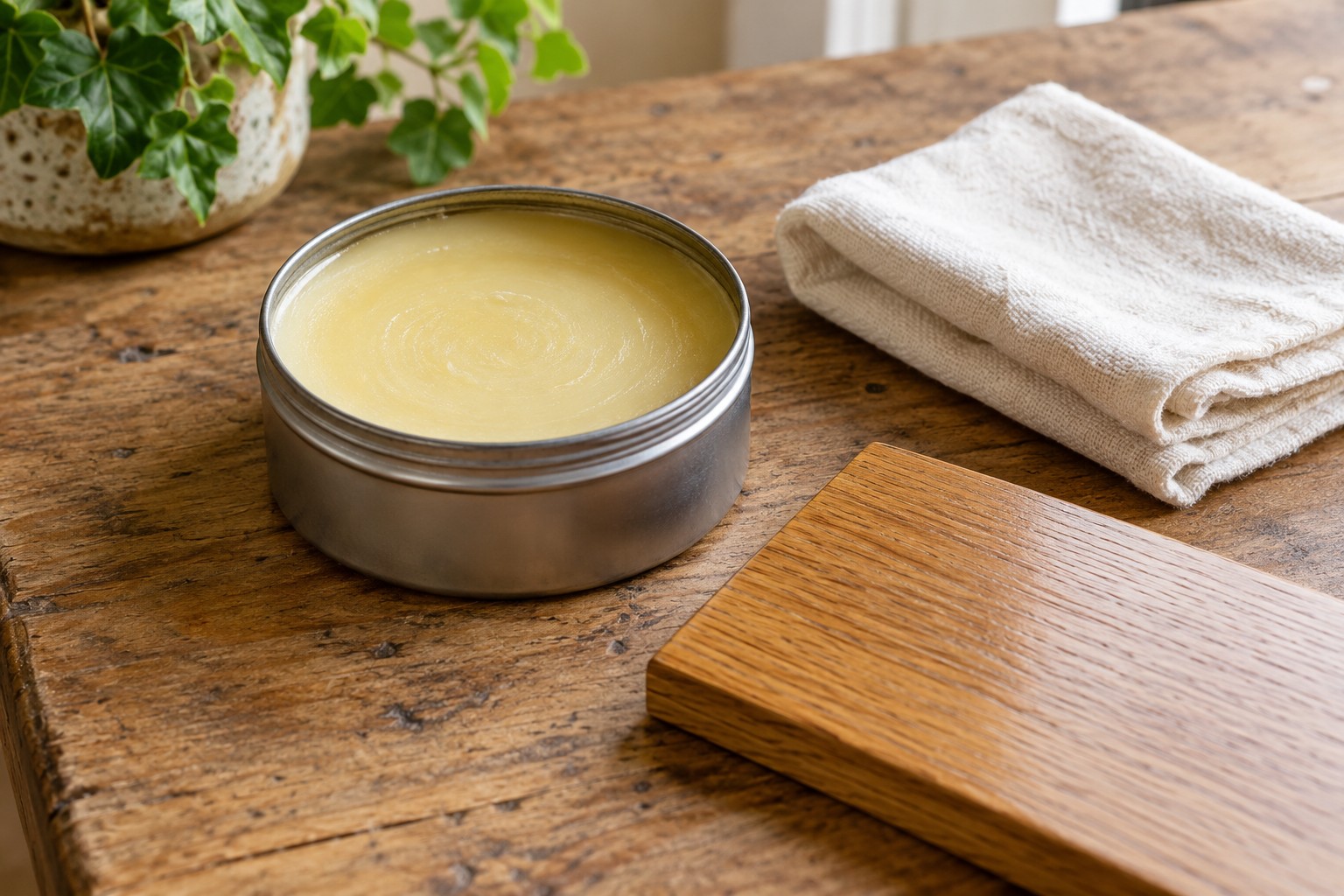
Identify the substrate and existing coating, then consult the chosen product's compatibility and preparation guidance. Thin veneer, laminate and previously waxed surfaces need different approaches. Do not sand unknown old paint or assume that a primer makes every coating safe to disturb. Plan how hardware will be labelled and protected if removal is appropriate. Keep the initial task to design and testing until the surface is understood. If the piece is valuable or its finish uncertain, ask a specialist before changing it.
Before you call it done
- Use the furniture's existing lines as boundaries.
- Test both colours and finishes together.
- Identify the surface before planning preparation.
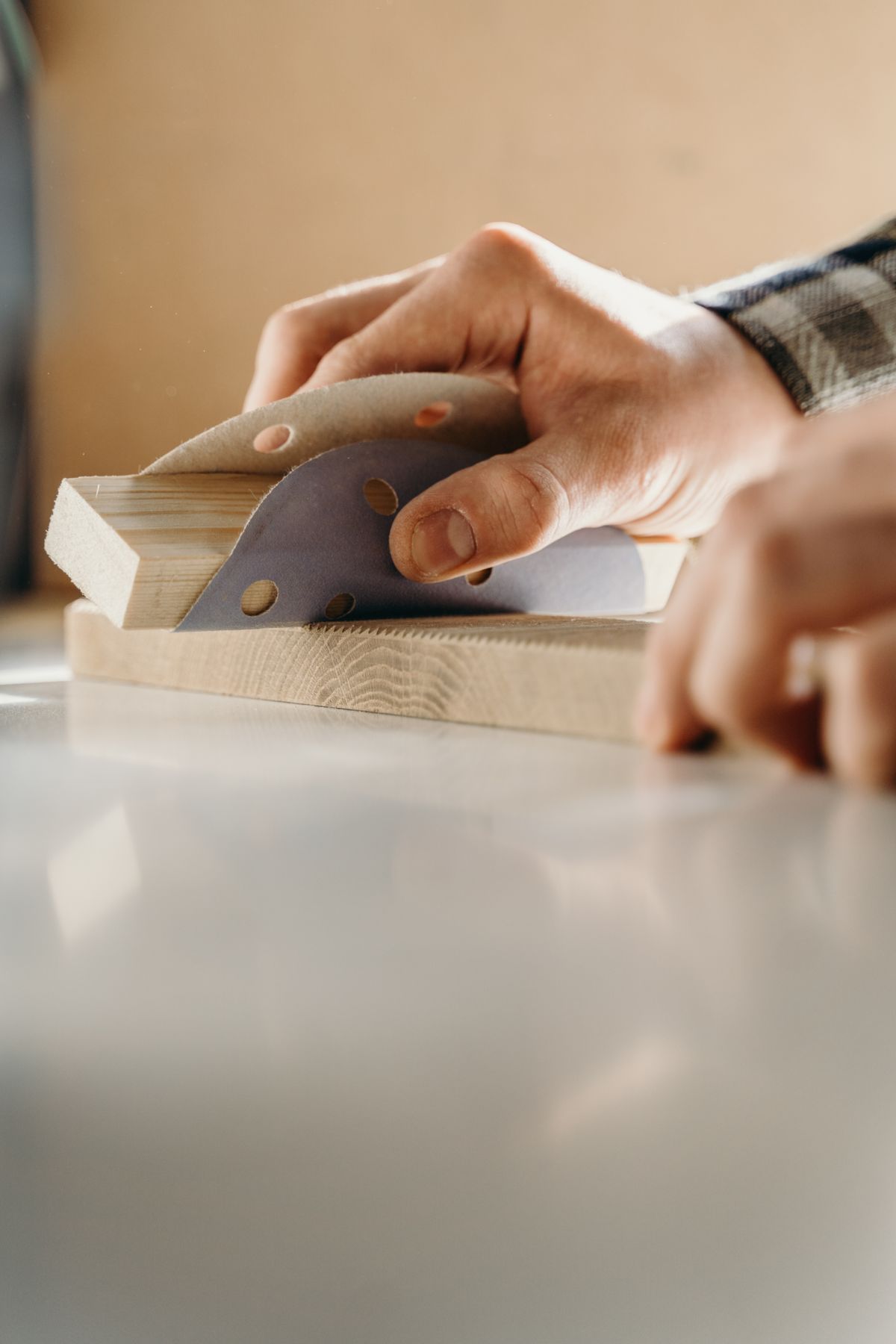
Know the limit. Do not strip or sand unknown old coatings; decorative planning does not establish that a finish is safe to remove.