Choose a representative sample
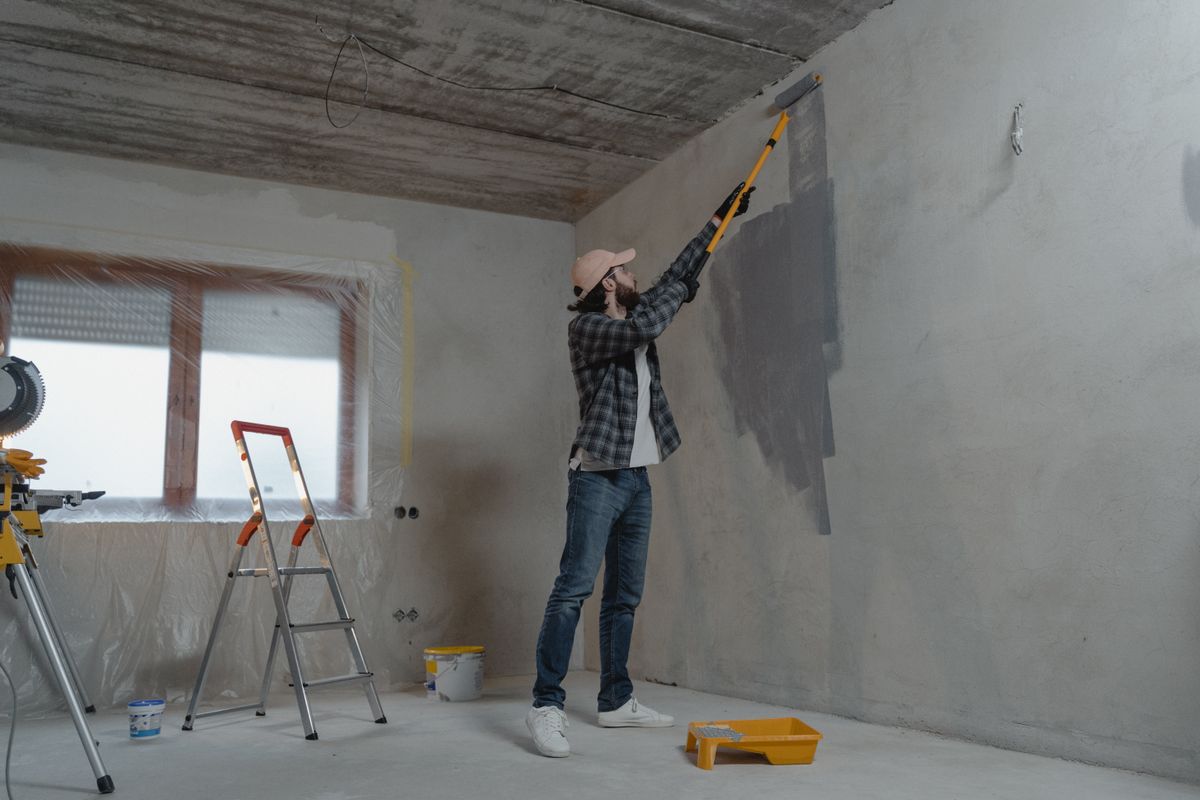
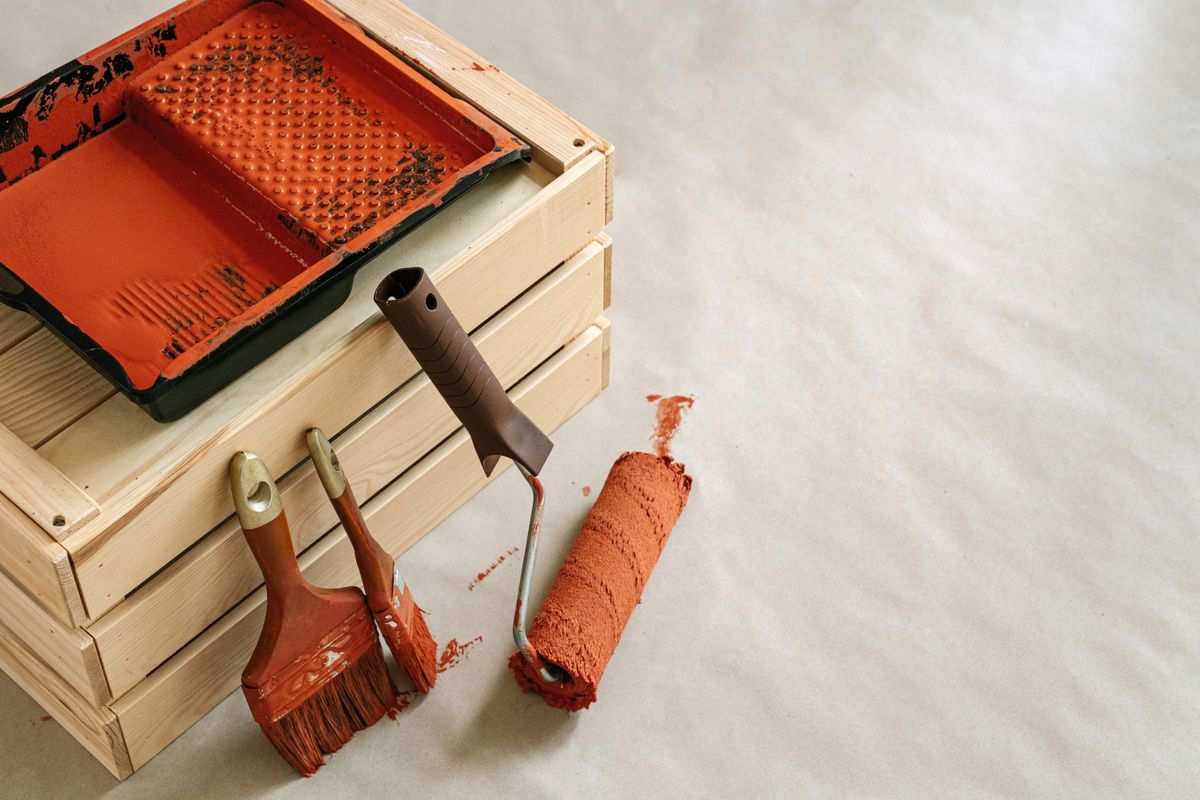
Select a sample surface prepared as the paint maker recommends and use the intended paint finish. Check the roller sleeve guidance for that coating and texture; one sleeve is not ideal for every smooth wall, rough surface or specialist finish. Prepare the sleeve only as its maker instructs, and make sure it is securely fitted to its frame. Protect the area below and keep the tray on a stable surface within easy reach.
Practise even loading and overlap
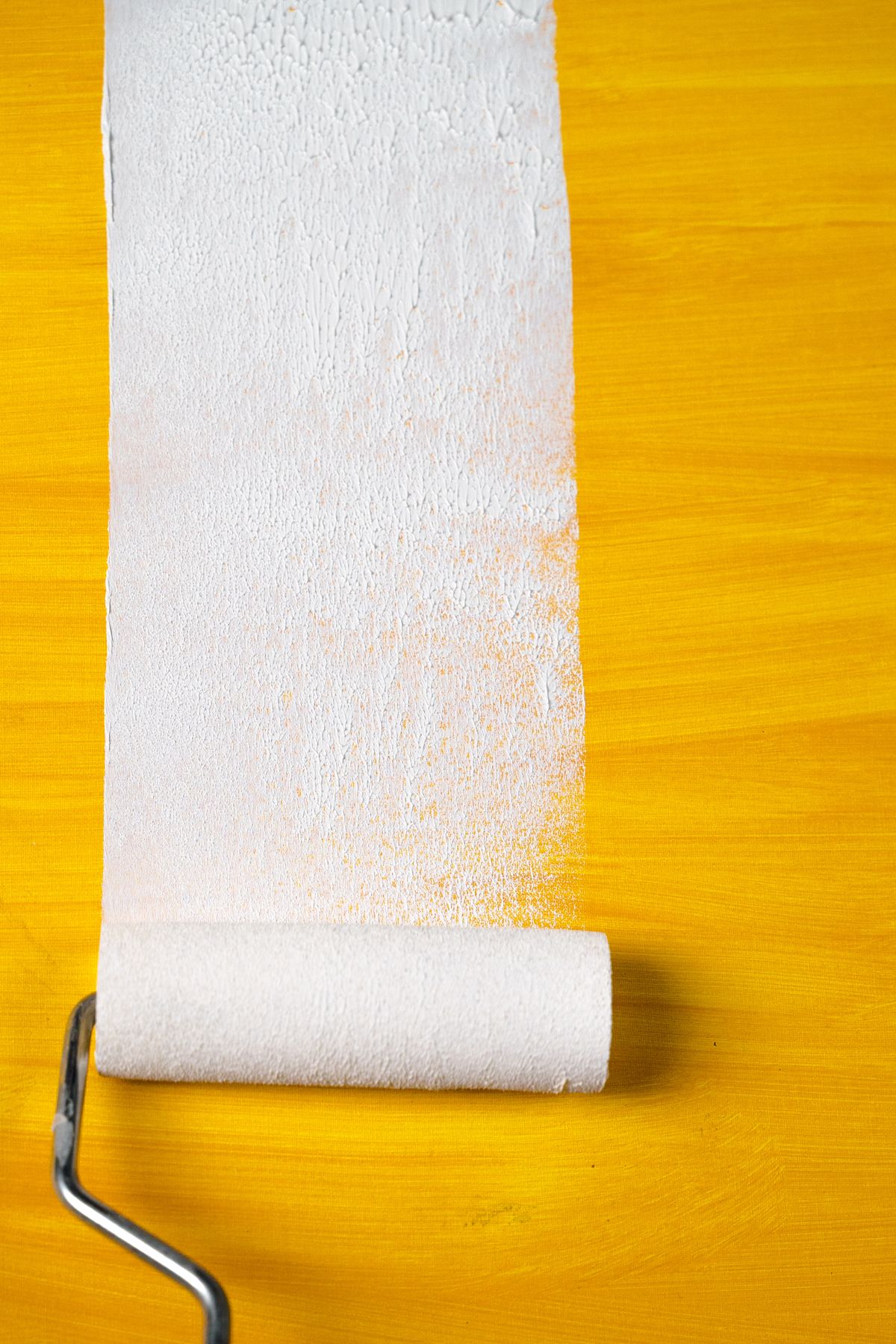
Load the sleeve in the tray gradually and distribute paint over it without leaving a dripping end. Roll a manageable area with light, consistent pressure, following the paint instructions for coverage and working pattern. Overlap passes while the edge is still workable rather than repeatedly pressing over a drying patch. Notice whether you are forcing the roller to release paint after it is nearly empty. Reloading at the right point is usually more useful than pushing harder.
Read the dry surface for clues
Allow the sample to dry as directed, then view it from the side as well as straight on. Check for heavy edge lines, loose fibres, bare patches and an unsuitable texture. Adjust only one factor in the next trial, such as loading or sleeve selection, so the result is meaningful. Record the successful combination and clean equipment using the permitted method. A board cannot reproduce every wall condition, but it can reveal a poor tool choice before a larger area is affected.
Before you call it done
- Match sleeve guidance to paint and texture.
- Use consistent light pressure.
- Inspect the dry sample from an angle.
Know the limit. Follow coating ventilation and disposal instructions; do not practise on a wall with unstable or unidentified old paint.