Inspect the unloaded chair
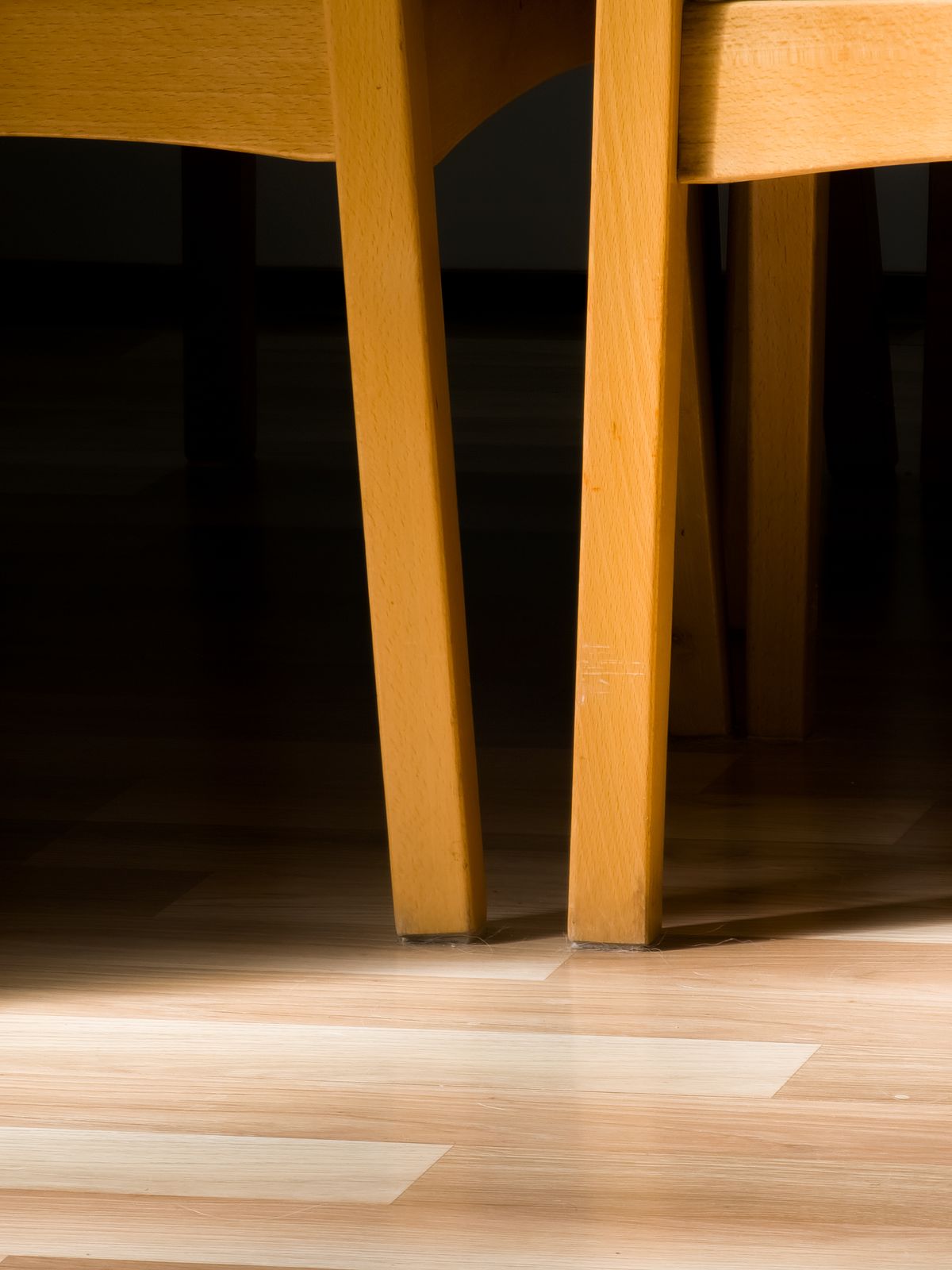
Place the chair on a level, clear surface and examine the legs, rails and back connections. Look for cracks, gaps that have appeared at glued joints or an exposed fixing. Use only gentle hand pressure to notice obvious movement; do not stress the chair to find its breaking point. Compare any wobble with the floor by repositioning the unloaded chair. Mark a suspect chair as out of use so someone does not sit on it accidentally.
Identify how it was assembled
A flat-pack chair may have accessible bolts and a maker's tightening sequence. A traditionally glued chair needs a different repair, and tightening unrelated screws will not restore a failed glue joint. On a sound assembly with the instructions available, use the specified tool and tighten only as directed. Stop at a stripped fastener or crushed material. Do not add extra screws through a loose joint simply because they appear to hold it temporarily.
Choose repair before cosmetic disguise
Photograph damaged areas and ask a suitable furniture repairer or the manufacturer about the next step. A dab of adhesive applied around the outside of an opening joint is not evidence of a sound structural repair. Felt pads can address floor protection but should not hide a short, cracked or unstable leg. After any authorised repair, follow its curing and loading instructions. Return the chair to use only when its structure has been assessed as sound.
Before you call it done
- Check chairs while unloaded.
- Separate floor unevenness from joint movement.
- Keep a damaged chair clearly out of use.
Know the limit. Do not sit on a suspect chair to test it or improvise repairs to load-bearing joints.