Find the fixing arrangement
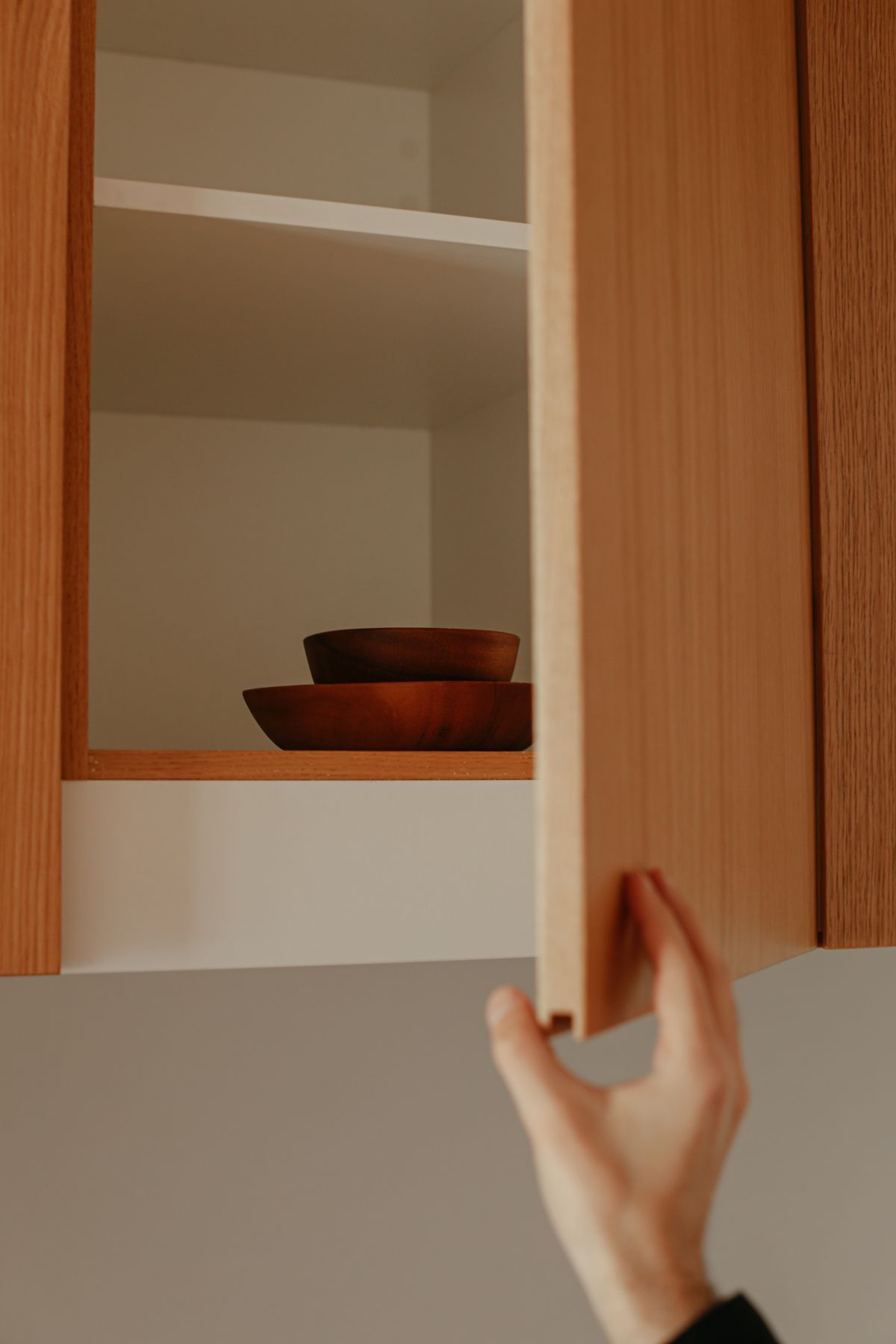
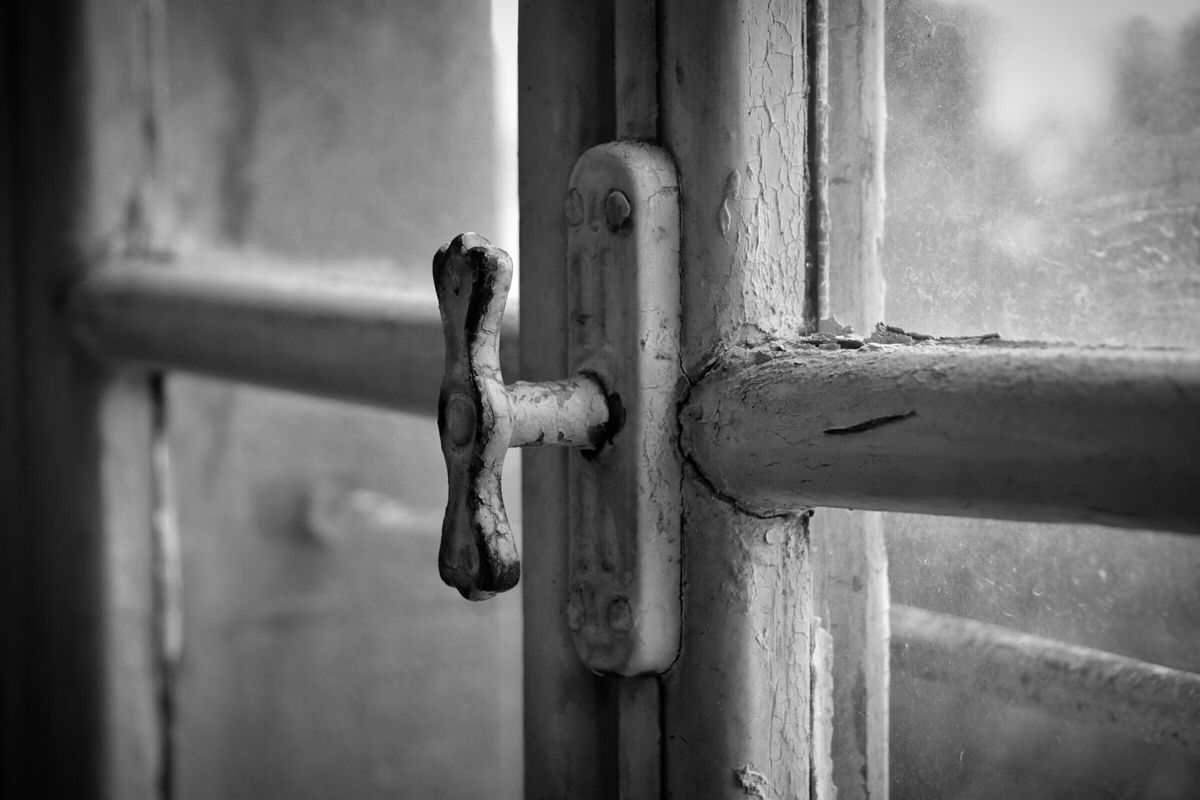
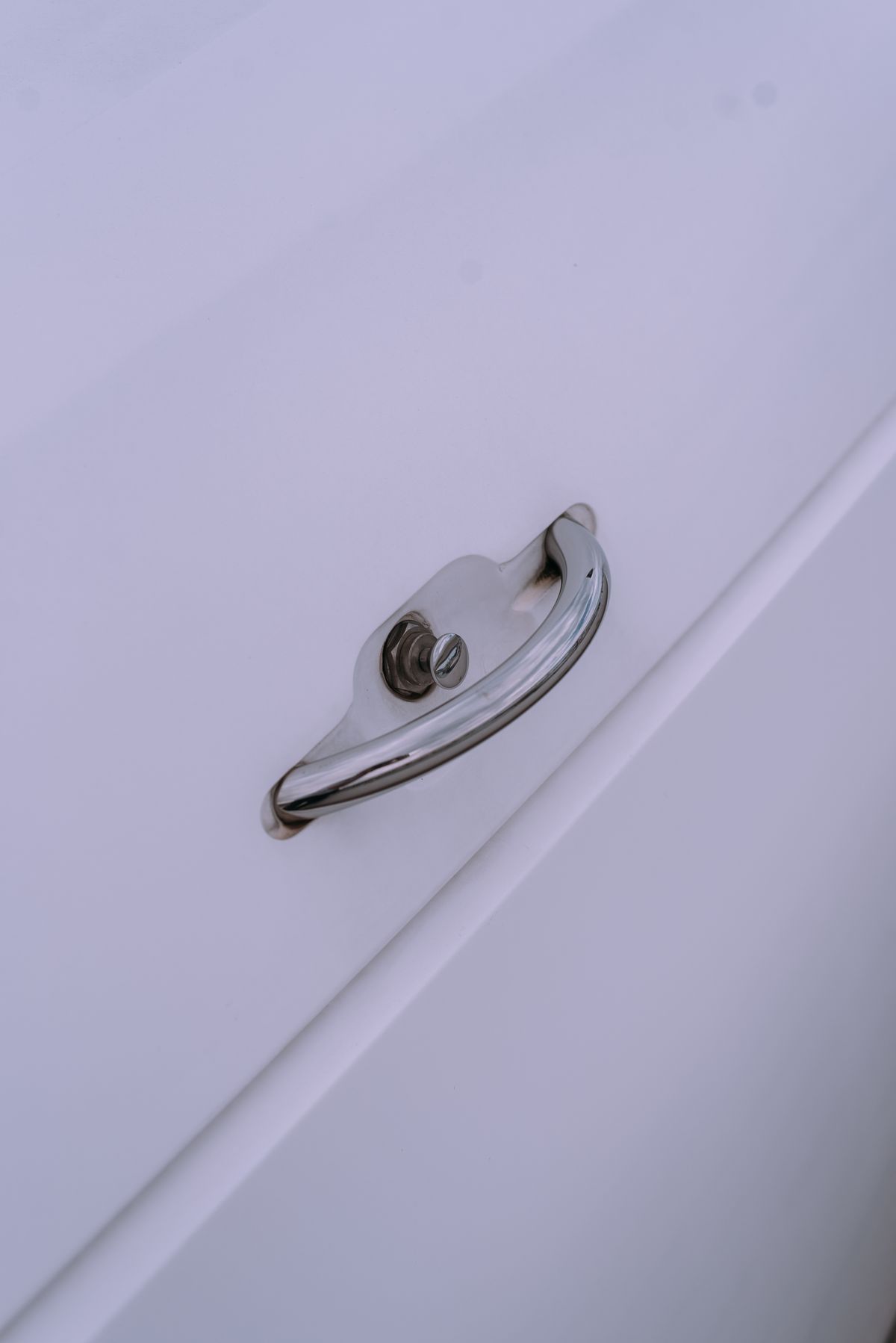
Open the door or drawer and locate the fastener behind the handle. Some knobs use a single through-screw; others have hidden fittings or a small retaining screw. Examine the handle and surrounding surface for cracking, crushed board or a distorted washer. Protect the area below in case a screw drops. If the fixing is concealed, find the product instructions before prising off a decorative cover that may not be designed for removal.
Tighten with control rather than force
Choose a hand screwdriver whose tip fits the screw head closely. Hold the handle in its normal position with the other hand and tighten gently, stopping when it feels secure. Do not use a power driver for a small adjustment: excess force can strip a thread or crush a cabinet face. If the screw turns without becoming snug, stop. A screw that is too long may bottom out in the handle while leaving the assembly loose.
Check the cause if it loosens again
Open the door normally and feel for movement without pulling hard. Recheck after a few days of use. If the handle loosens repeatedly, compare the screw length, washers and fitting arrangement with the manufacturer's specification. Do not add random adhesive or pack the joint with scraps as a substitute for the correct hardware. For a replacement, measure the fixing centres and door thickness before ordering. Retain original fittings together so nothing is mistaken for a spare from another cupboard.
Before you call it done
- Support the handle while turning its screw.
- Use a properly fitting hand screwdriver.
- Stop when secure, not when the screw refuses to move.
Know the limit. A cracked door face, stripped thread or damaged handle needs the correct repair or replacement.