Identify the construction
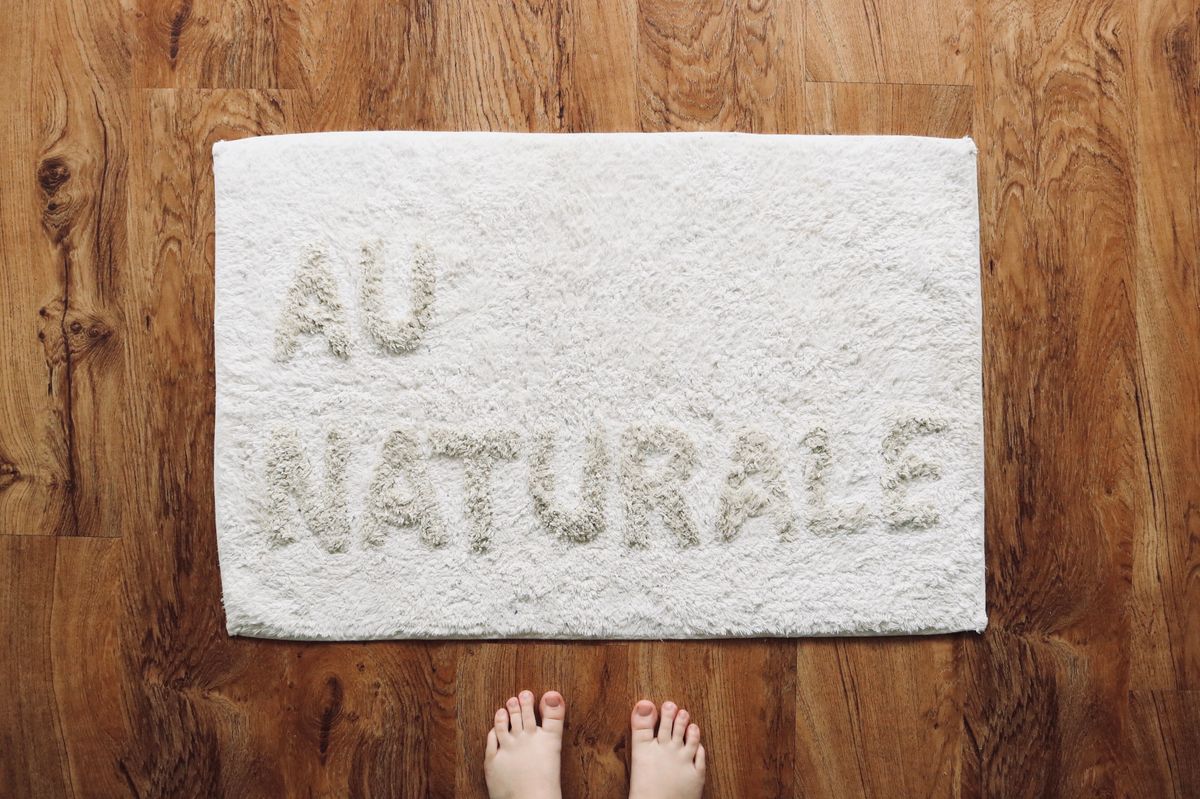
Look for the care label and note whether the mat is coir, woven fabric, rubber or a combination. Some mats are intended for brushing or shaking rather than machine washing. Check for cracks, loose tufts and crumbling backing before cleaning. A deteriorating mat can leave debris on the floor and may no longer stay in place properly. Do not assume a small size makes the mat suitable for the washing machine.
Remove loose dirt by the permitted method
Take the mat to an appropriate area without carrying a trail of grit through the house. Use the maker's recommended brushing, vacuuming or shaking method. Avoid beating it against fragile railings or directing dust towards neighbours, open windows or washing. If wet cleaning is allowed, follow the specified product, temperature and drying method. Keep the floor underneath clean too; grit trapped beneath a mat can scratch when people step on it.
Return it only when ready
Allow the mat and the floor to dry fully as directed before putting it back. Check that the backing is compatible with the floor finish, since some rubber or plastic materials can affect certain surfaces. Lay the mat flat and make sure its edges do not curl into a trip hazard. If it slides, use only a suitable approved solution rather than improvised tape. Replace a mat whose backing or structure has failed instead of trying to disguise the problem with a quick wash.
Before you call it done
- Read care guidance for both face and backing.
- Clean the floor beneath the mat too.
- Check dryness, grip and flat edges before reuse.
Know the limit. Do not machine-wash an unlabelled or deteriorating backed mat experimentally. A mat that slips or curls should not remain in a busy doorway.