Sort by the job each bag does
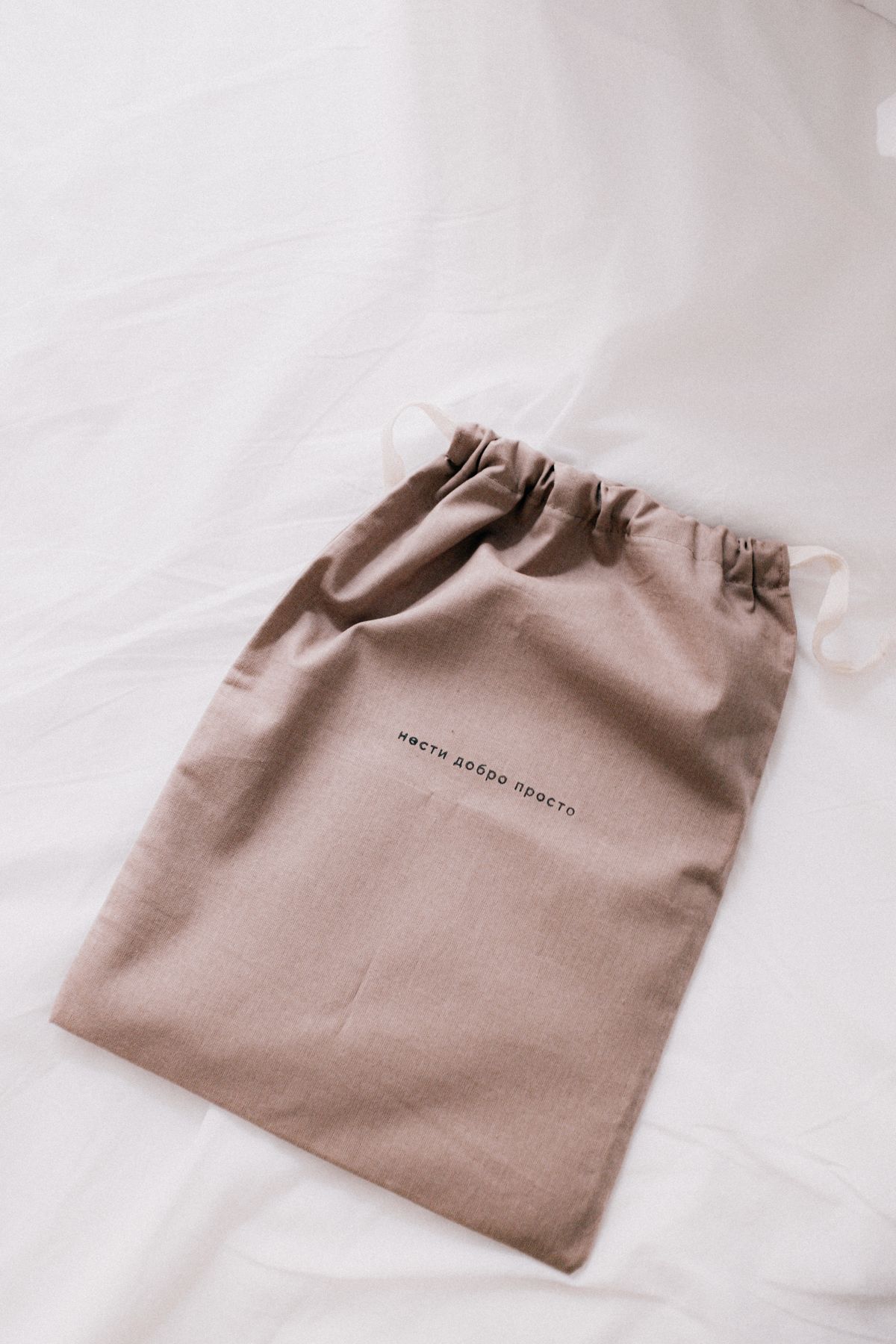
Separate everyday shopping bags from insulated bags, small produce bags and bulky occasional carriers. Check handles, seams and the base for damage. A bag that no longer carries a load securely should not return to the ready-to-use group.
Follow each bag's cleaning instructions. Let it dry fully before folding, and keep food-shopping bags appropriately clean. Use a separate bag for items that could contaminate food carriers rather than treating every reusable bag as interchangeable.
Put the working set on your route
Choose a place that you pass before leaving: a small basket near your usual bag or a dedicated section of a cupboard. Keep the entrance and door swing clear. If you routinely drive to shops, returning suitable bags to the car can be part of unpacking, provided they remain clean and dry.
Fold larger bags around a smaller group only if you can still see and remove what you need. Complicated folding that you rarely repeat is less useful than a simple loose fold in a defined space.
Stop the spare collection growing unnoticed
Keep enough bags for the shopping you actually do, with a modest reserve. When new ones arrive, check whether they replace a worn bag or merely add to the pile. Give specialist bags their own location so they do not disappear beneath a mass of identical carriers.
Before you call it done
- Handles and seams are sound.
- Food bags are clean and completely dry.
- The working set is near the departure routine.
Know the limit. Keep bags away from young children where they could create suffocation or entanglement hazards, and do not exceed a bag's intended load.