Give every number a noun and a unit
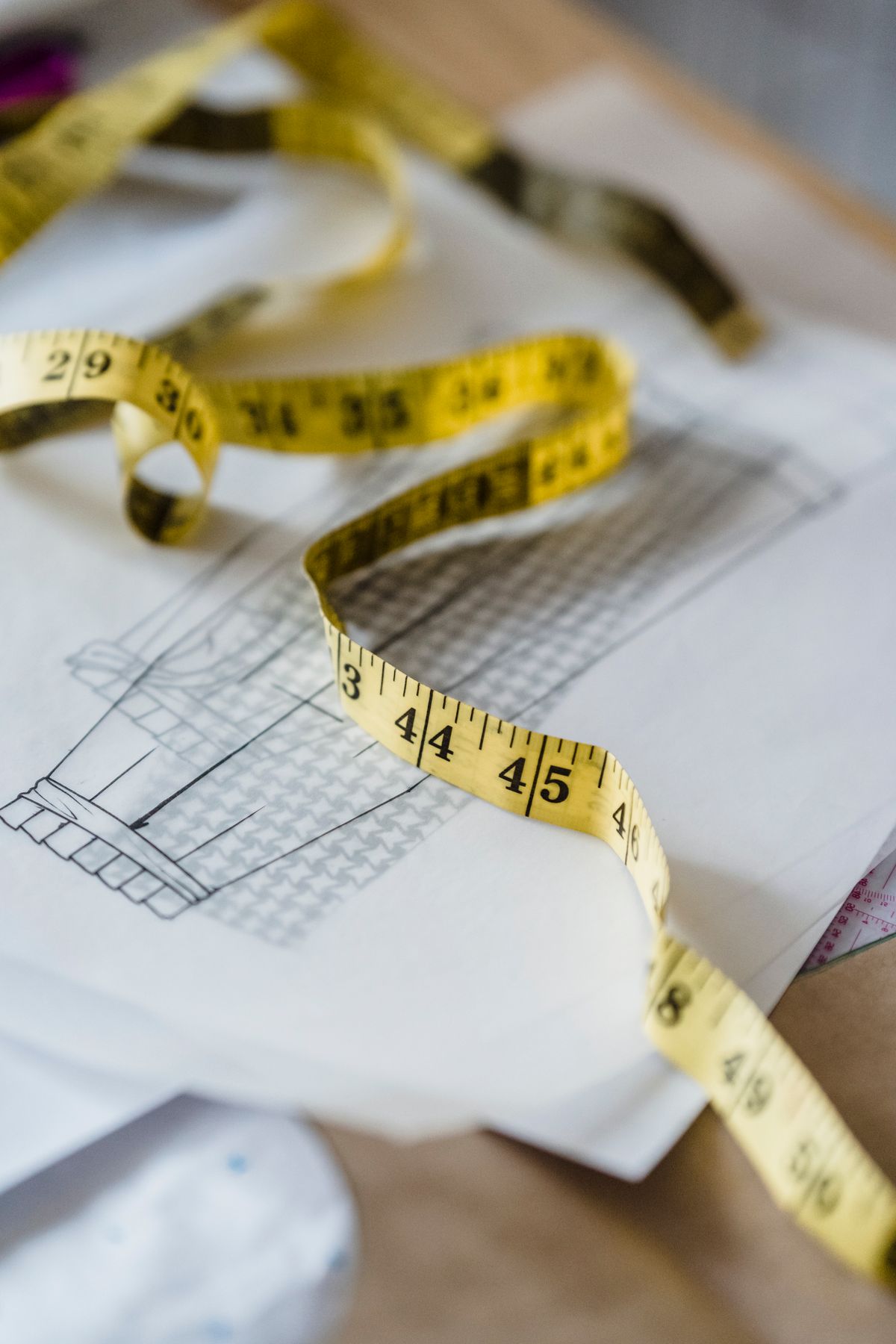
Write 'cupboard clear width: 462 mm' rather than '46.2'. The extra words prevent confusion between centimetres and millimetres or an opening and the object inside it. Use the same units throughout a small project. Note whether the reading includes handles, feet or trim. If an item must fit through a door before reaching its final position, record that access dimension separately from its final resting space.
Add a simple sketch
A rough rectangle with arrows is often clearer than a long paragraph. Mark width, height and depth on the same sketch and label which side is the front. For an uneven opening, include the different readings and circle the limiting one. A photograph can provide context, but perspective means it should not replace an actual measurement. Keep the written figures outside the photograph too, where they remain readable on a small phone screen.
Separate measurements from decisions
Write the observed size first, then any proposed allowance or product choice on a separate line. This prevents an adjusted number from later being mistaken for the original opening. Date the note if the space may change during a project. At the shop, compare like with like: overall dimensions, usable internal space and package dimensions answer different questions. Before buying a close-fitting item, remeasure any figure you cannot explain confidently from the note.
Before you call it done
- Label the object, dimension and units.
- Sketch orientation and limiting obstructions.
- Keep raw readings separate from allowances.
Know the limit. Measurements for fitted glazing, structural alterations or safety-critical installations should follow the relevant supplier's surveying procedure rather than a general shopping note.