Identify the finish before selecting a product
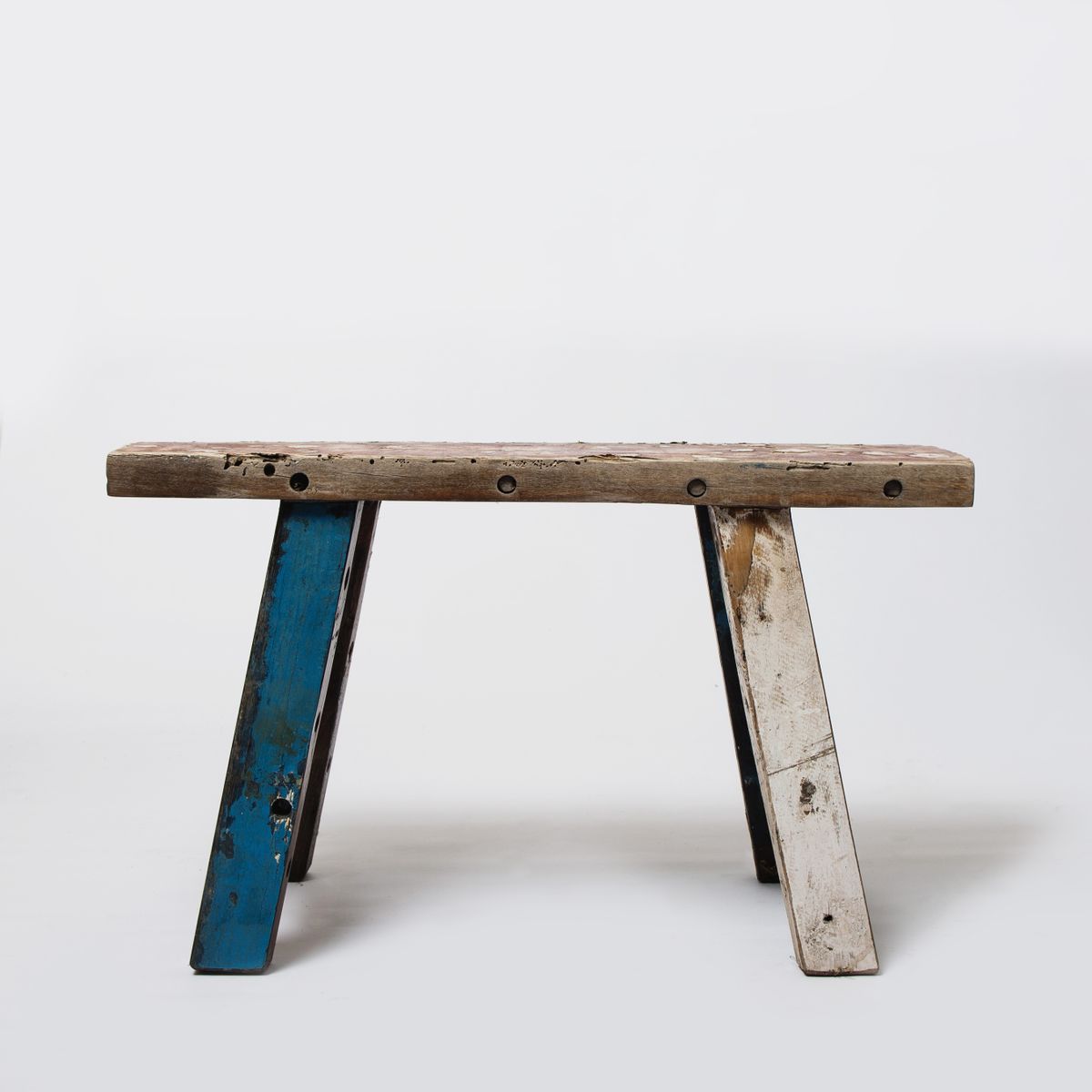
Look for the furniture manufacturer's care instructions or a finish label. An oiled surface, a lacquered veneer and unfinished timber do not necessarily accept the same treatment. Avoid choosing wax merely because the object looks like wood. Check whether the item is used for food contact, exposed to heat or already coated with another care product. If its history is unknown or the piece is valuable, ask a furniture specialist before adding a layer that may complicate restoration.
Use a genuinely representative test area
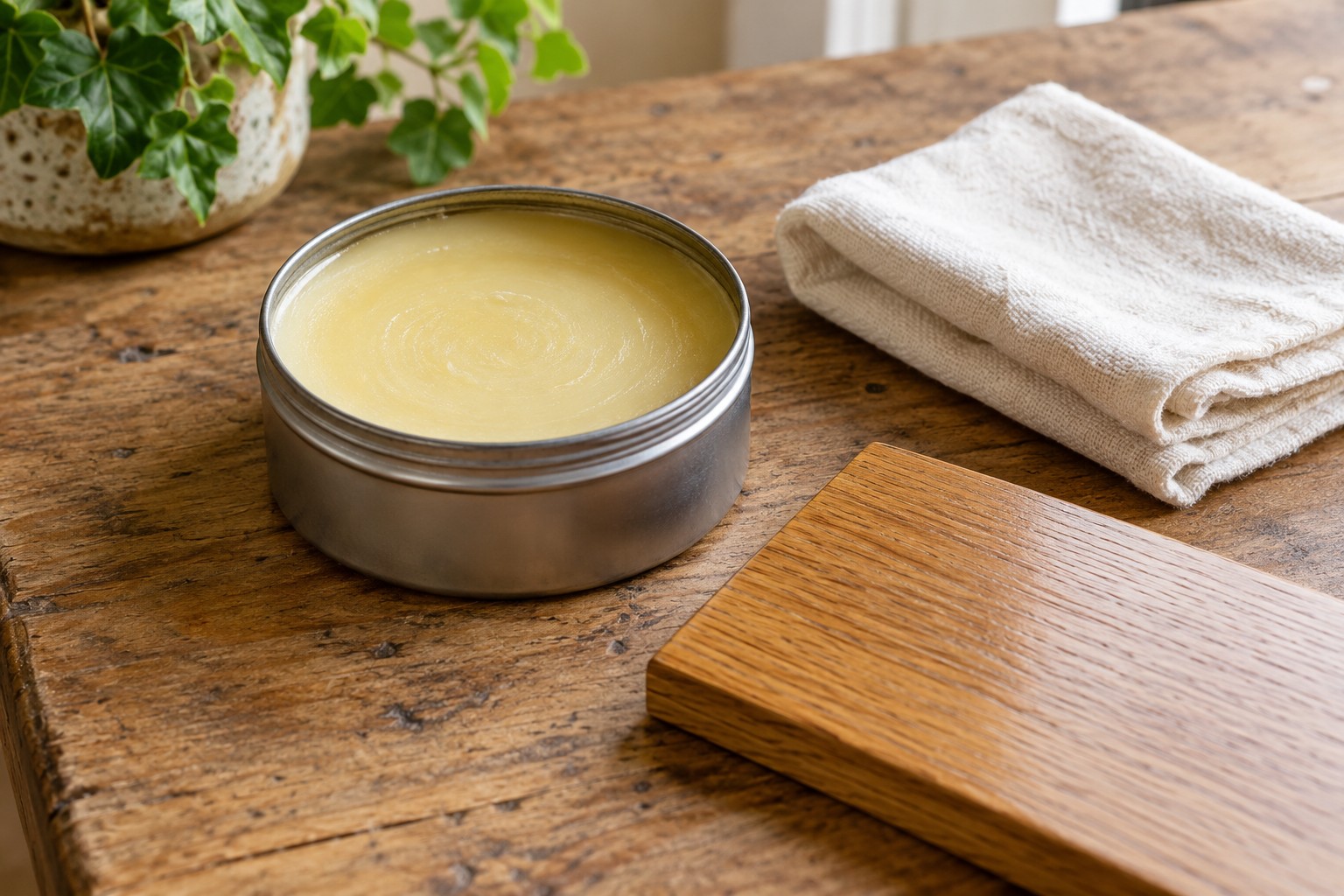
Choose a hidden finished section rather than a raw underside that will absorb product differently. Remove loose dust and prepare the patch only as the wax instructions permit. Apply the stated small amount and observe the recommended drying and buffing process. Compare the test in daylight after the full stated interval, checking colour, sheen, tackiness and transfer to a clean cloth. More wax is not necessarily more protection and can leave a smeary surface.
Keep application controlled and reversible in scope
If the test is satisfactory and the product is compatible, work in small areas using the prescribed technique. Keep wax out of upholstery, joints and hardware. Do not treat wax as a repair for a water-damaged veneer or a deep scratch. Follow storage, ventilation and cloth-disposal instructions on the product, particularly where solvents or oils are involved. Record the product used so future care does not involve layering incompatible treatments over an unidentified coating.
Before you call it done
- Confirm the existing finish accepts wax.
- Test on a hidden but finished section.
- Judge the patch after the stated drying interval.
Know the limit. Do not use an unknown treatment on antiques, food-contact surfaces or damaged veneer without appropriate advice.