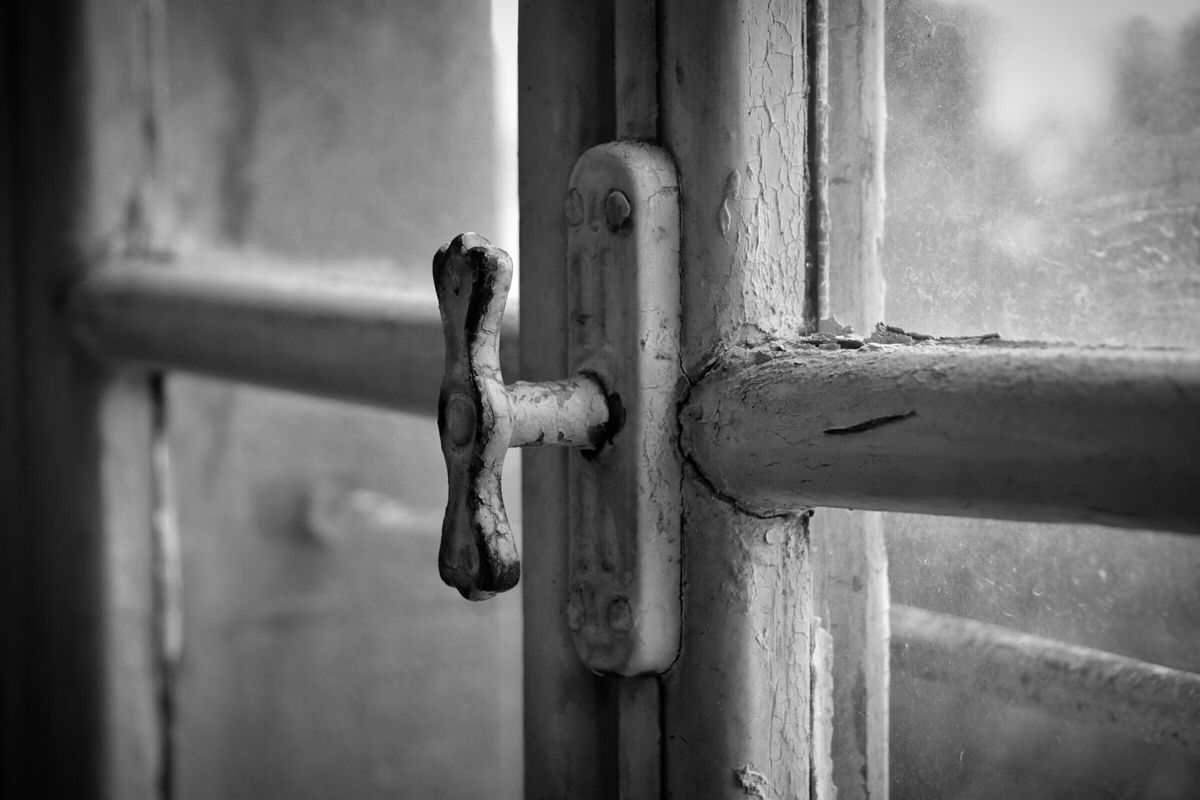
Compare the handle with the window position
Without forcing anything, observe whether stiffness occurs when the window is open, nearly closed or fully seated. Check for a curtain, displaced seal or debris in the accessible closing path. Follow the window's normal operating sequence, particularly with tilt-and-turn systems. Do not operate unfamiliar combinations of handle positions as an experiment. Take a photograph of the handle and window markings so the correct maintenance guidance can be found.
Keep checks gentle and visible
Look for a loose handle base, damaged cover or obvious rubbing, but do not remove mechanism covers while the window is unsupported. A handle that becomes difficult only when closing can indicate alignment or a seal issue rather than a handle problem. Use only the cleaning and lubrication points specified by the manufacturer. General-purpose spray applied indiscriminately may affect seals, finishes or mechanisms and can make future diagnosis less clear.
Prioritise a secure working window
If the window cannot close or lock normally, contact the installer, landlord or a suitable repairer. Explain which movement is stiff and whether the problem began suddenly. Do not leave an insecure opening as a permanent workaround or disable a restrictor to gain access. After any approved maintenance, check the ordinary opening and closing sequence gently. If resistance remains, stop rather than repeating the action until the handle or linkage fails.
Before you call it done
- Note exactly when resistance occurs.
- Check the accessible closing path first.
- Find the instructions for the window system.
Know the limit. Never force a handle, defeat a child-safety restrictor or lean outside to inspect a mechanism.