Observe the light across a normal day
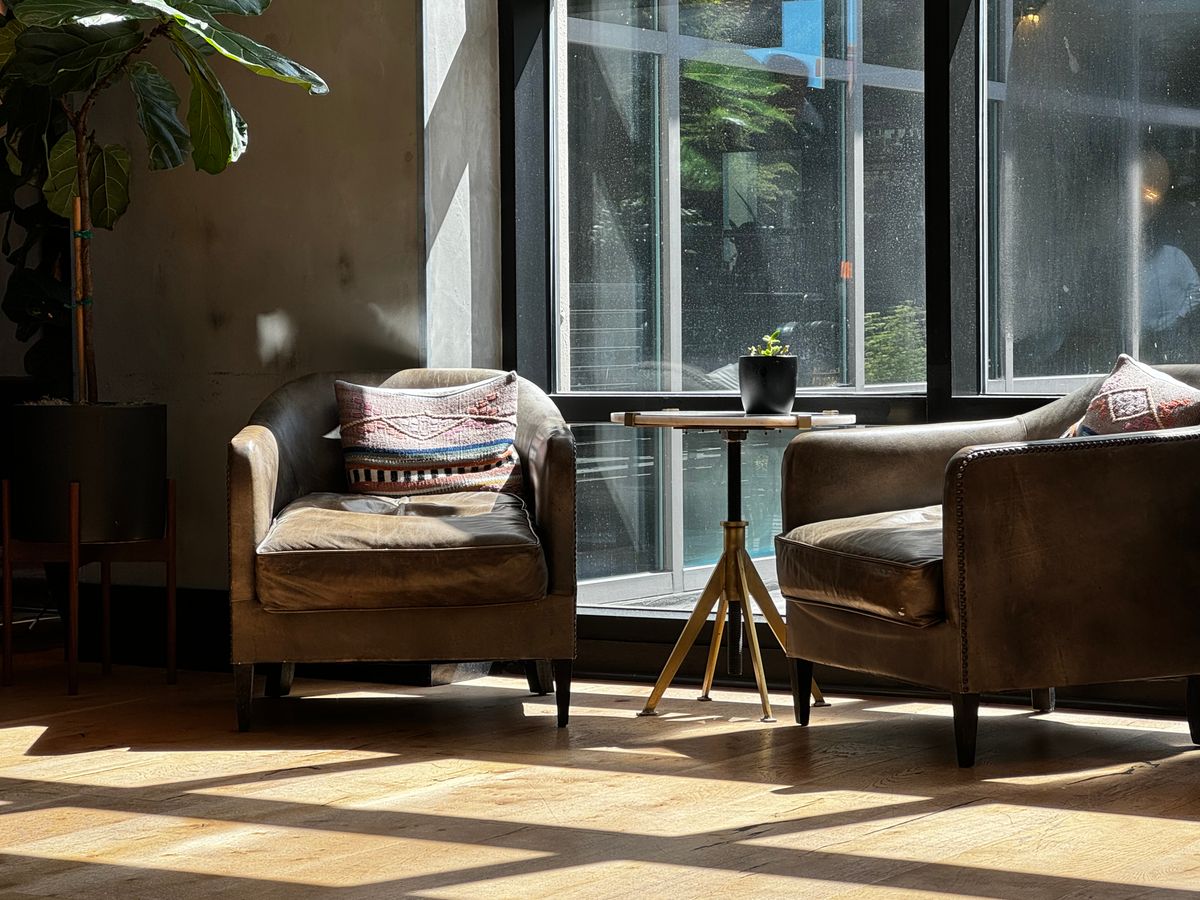
Notice which parts of a table, sofa or cabinet receive direct sunlight and which remain shaded by ornaments. Compare exposed edges with a discreet covered area without removing bonded decorations or protective finishes. Photograph the arrangement so later changes are easier to judge. Different materials respond differently, so check the furniture's care advice rather than assuming a product advertised for wood is also appropriate for leather, fabric or veneer.
Reduce concentrated exposure sensibly
Use existing blinds or curtains in a way that suits the room, keeping ventilation and safe access clear. Move lightweight decorative objects occasionally if the surface care guidance allows it, so one sharp outline is not left in the same spot indefinitely. Avoid placing furniture against a heat source while trying to move it out of sunlight. Protective window treatments may require specialist advice and landlord permission; do not apply film to glazing without confirming compatibility.
Care for the finish without promises of reversal
Follow the maker's normal cleaning and conditioning guidance and test any permitted treatment discreetly. Do not assume oil, polish or dye will return faded sections to their original colour. Abrading an uneven surface can damage a thin veneer or unknown coating. If the difference is significant, a furniture restorer can advise on realistic options. When rearranging a room, lift furniture with suitable help and protect the floor rather than dragging it into a new position.
Before you call it done
- Observe where direct sun falls throughout the day.
- Check care guidance for the actual material.
- Avoid abrupt heat-source changes when moving furniture.
Know the limit. Do not sand an unknown finish or apply glass film without confirming that the glazing permits it.