Identify the surface and finish
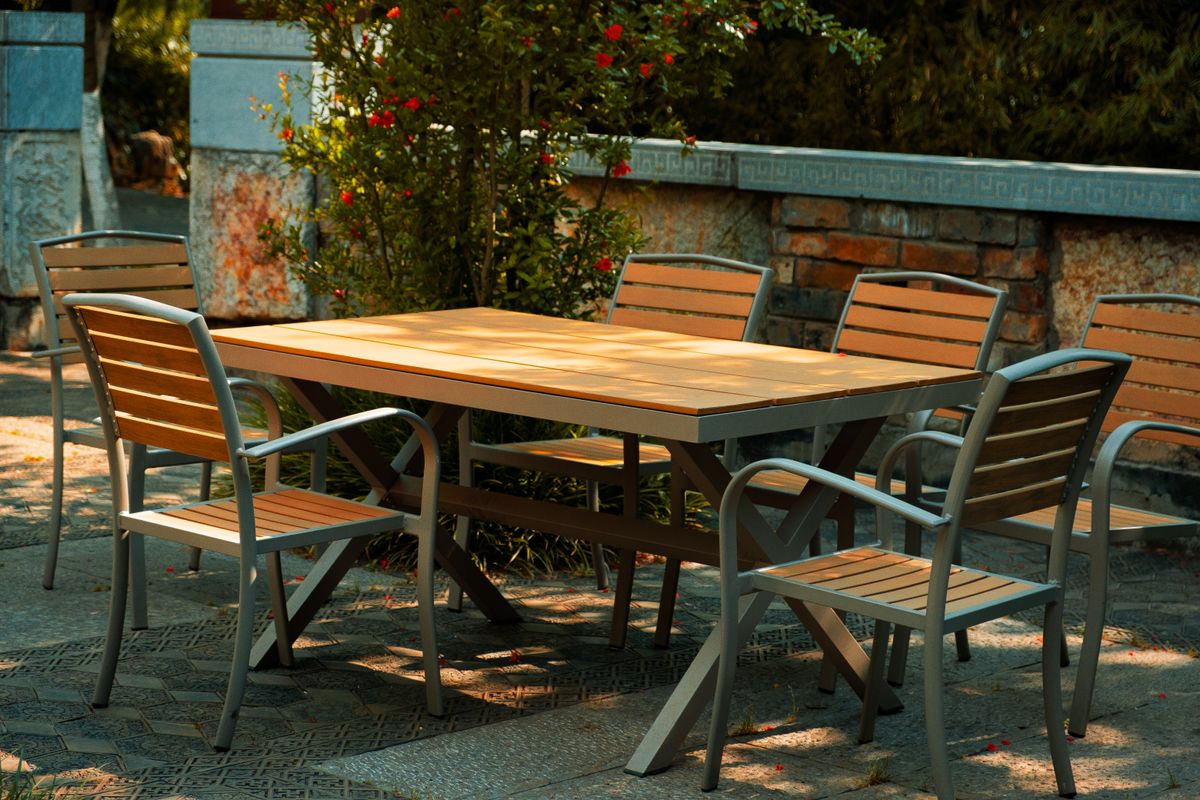
Check whether the table is coated timber, unfinished wood, metal, plastic, stone or another material. Look for the maker's care instructions before choosing a product. Two wooden tables may need quite different treatment because their finishes differ.
Remove loose crumbs and debris with a suitable soft brush or cloth. Check joints and the underside for trapped material while the table is empty. Note any wobble or damage before setting out food and drinks.
Deal with spills gently
Wipe fresh spills with a method approved for the surface and dry it as directed. Avoid abrasive pads, pressure washing or strong chemicals unless the instructions specifically allow them. Test any permitted new product discreetly before using it across the tabletop.
Use suitable protective mats for hot dishes where needed. Do not leave wet fabric, plant pots or metal objects sitting on a finish that may stain beneath them. A decorative centrepiece can trap moisture long after the surrounding surface has dried.
Cover only when appropriate
Let the table dry before fitting a suitable cover. Follow the cover guidance for ventilation and fastening; a cover that holds condensation against a surface can create a different maintenance problem. Check beneath it periodically and remove collected debris. Put seasonal treatments on a separate plan based on the furniture instructions, not on a generic calendar.
Before you call it done
- The cleaning method suits the finish.
- The table is stable before use.
- The surface is dry before being covered.
Know the limit. Do not sand or strip an unknown old coating as part of routine cleaning. Specialist finishes and damaged furniture need appropriate advice.