Define the contents and the location
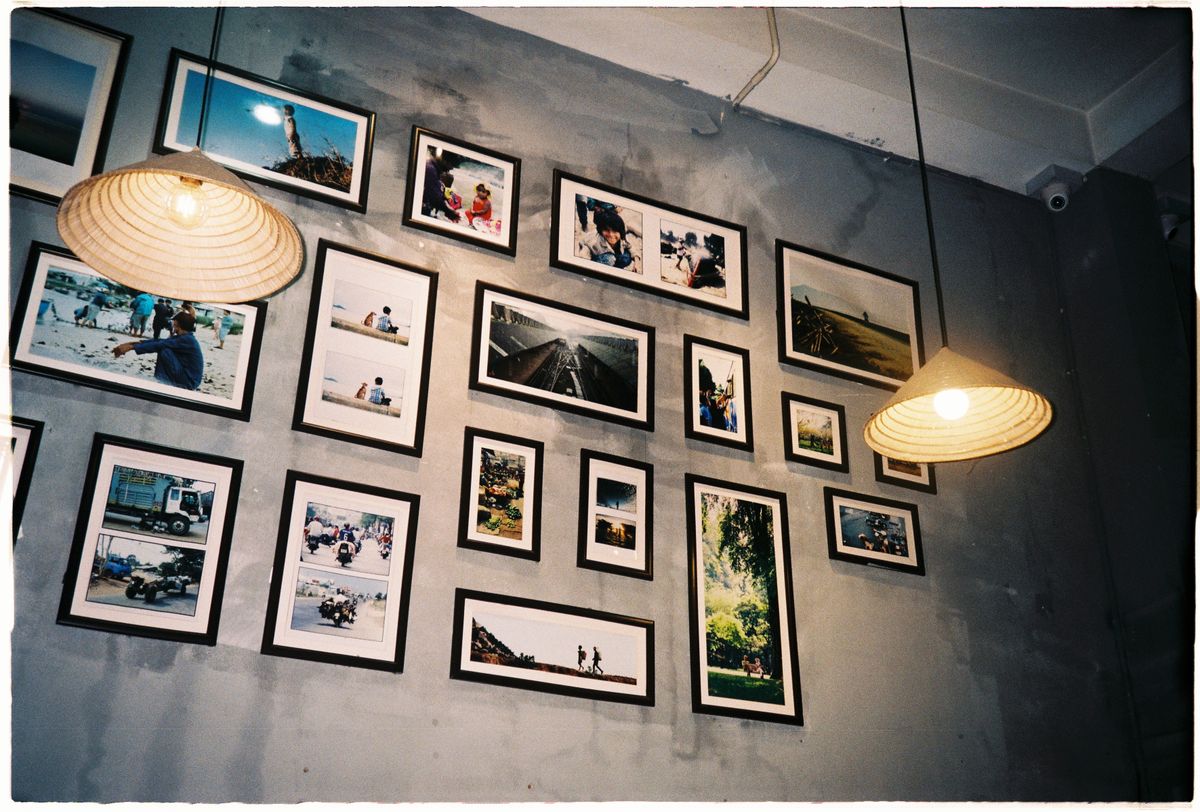
Gather a few typical notes, cards and papers and arrange them on a table. Allow room to read and remove each item without burying it under overlapping sheets. Choose a wall location away from door swings, heat and splash areas. Consider who will use the board and whether sharp pins are appropriate in that household. A board above a busy worktop should not create a place where pins can fall into food or appliances.
Make a paper outline first
Draw the proposed board size on paper and hold or safely position it on the wall. Check reach from a normal standing position, not by stretching over furniture. Include the frame in the dimensions and leave space for fingers around the edges. Look from nearby seating so the board does not become a distracting mass of paperwork. If the area is rented, confirm permission for the intended mounting method before buying a board.
Select the board and fixing together
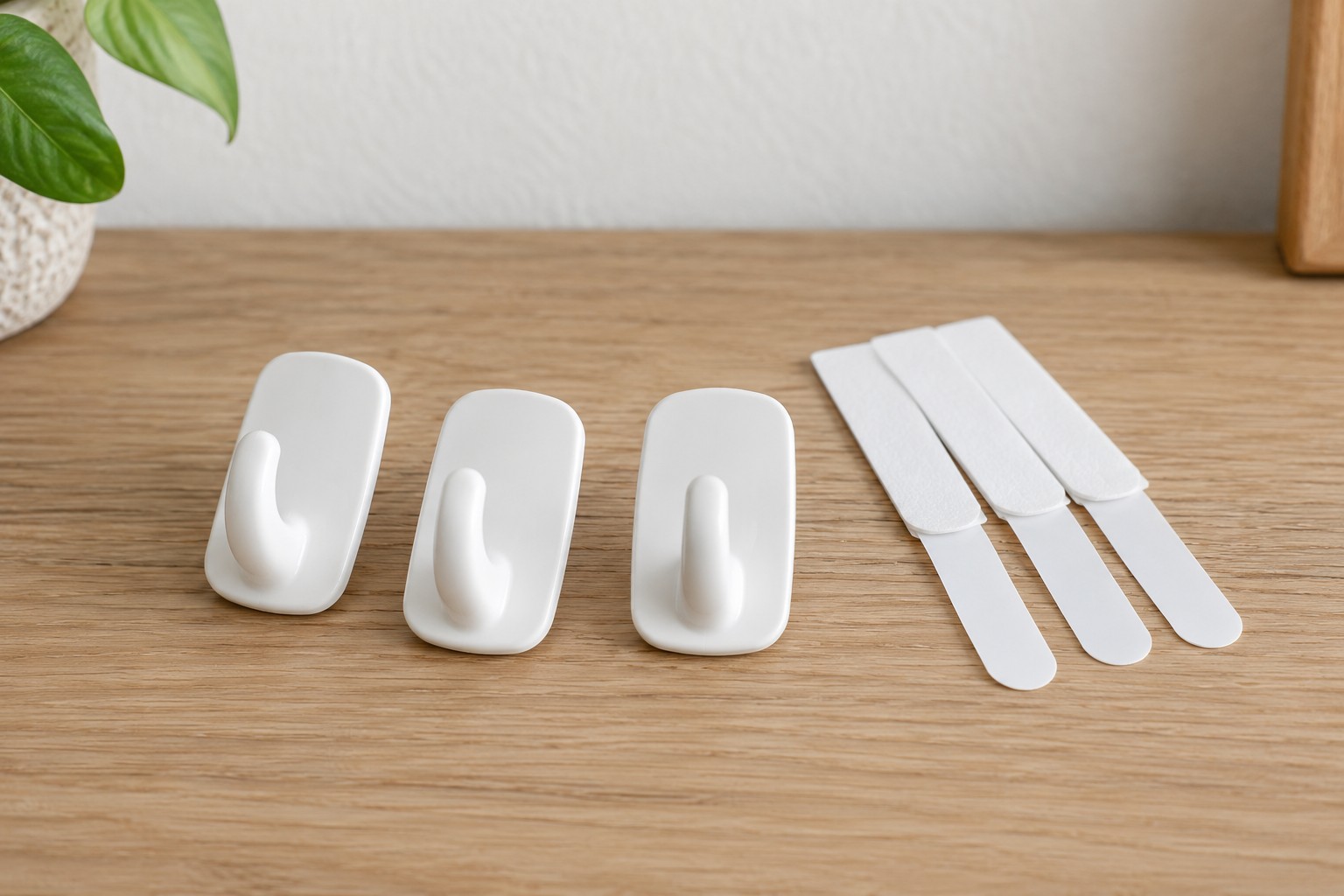
Choose a product with known mounting instructions and a suitable backing that prevents pins reaching the wall. Consider the loaded weight, not only the empty board. Adhesive systems have surface and load restrictions; screw fixings require assessment of the wall and hidden services. Do not improvise by attaching a heavy frame to a few general-purpose sticky pads. Keep a small container for spare pins and periodically remove old paperwork so the board remains readable rather than overloaded.
Before you call it done
- Plan around real papers rather than an empty rectangle.
- Check safe reach and door clearance.
- Select a fixing method for the loaded board.
Know the limit. Keep sharp pins away from children and food areas; assess walls properly before any drilling.