List the ordinary jobs first
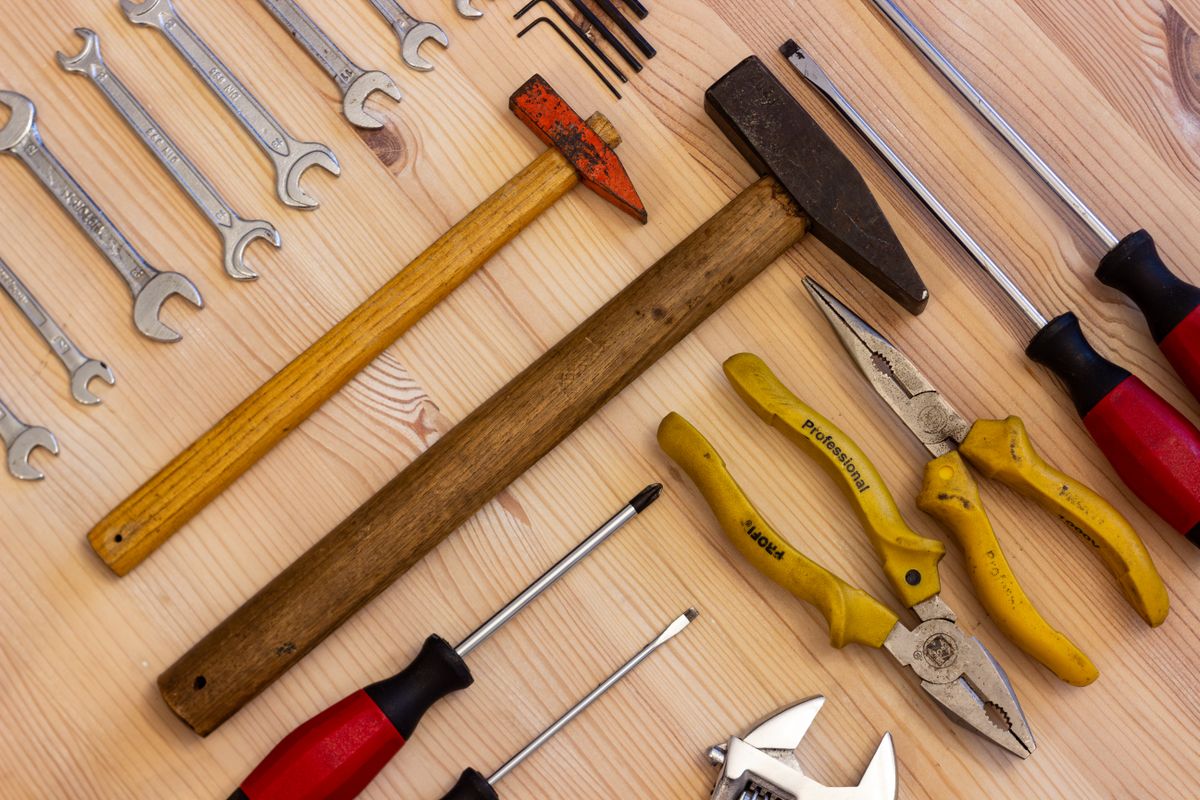
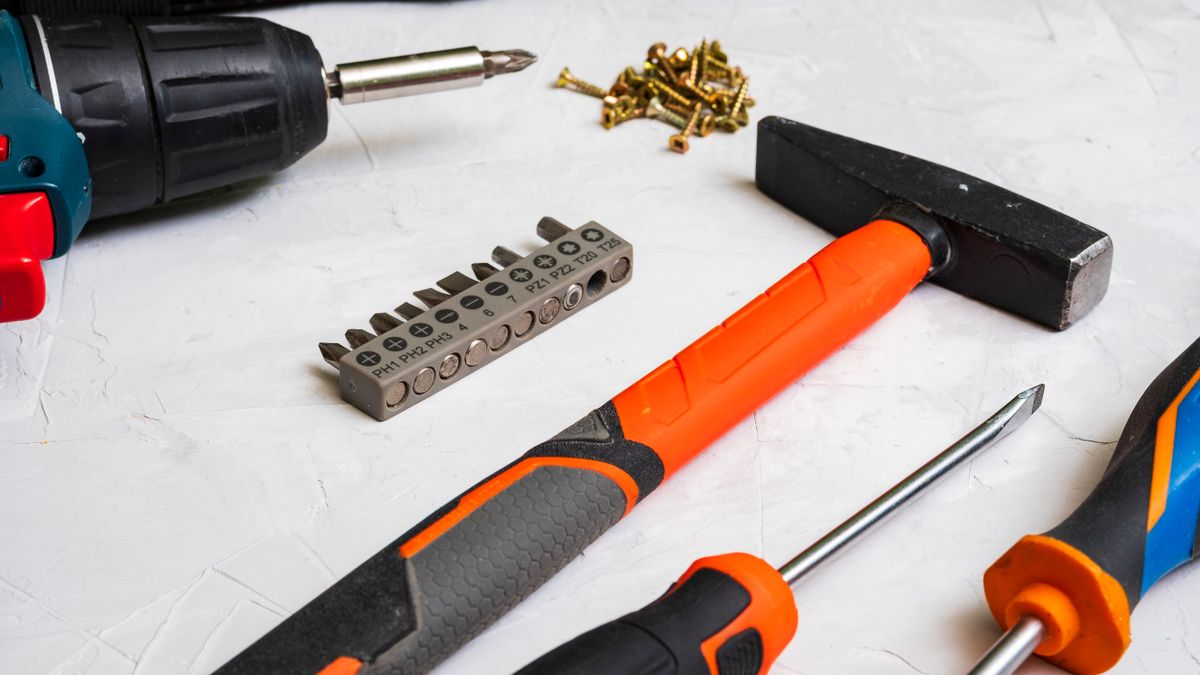
Think about assembling a small table, checking a cupboard opening or adjusting an accessible furniture screw. Those jobs suggest measuring tools and correctly sized hand drivers, not an automatic need for a power-tool bundle. Write down the fixing types already present in your furniture. A small set that includes the right profile is more useful than a large collection of duplicate tips that do not fit anything you own.
Choose control over impressive packaging
Pick up a tool where possible and check that the handle feels secure without requiring an awkward grip. Clear size markings make a difference in dim corners. A compact tape measure, a dependable level and a modest selection of hand drivers can cover many low-risk tasks. Add protection and a suitable working surface to the budget. Buying a tool does not remove the need to understand its limitations or read its instructions.
Expand after a real need appears
Keep a short note of tools you borrowed or genuinely lacked during a task. If the same need recurs, consider buying that item in an appropriate quality rather than purchasing another all-purpose kit. Store tools dry and separate sharp or pointed ends from hands reaching into the box. Review the contents occasionally and remove damaged items from service. A clear inventory helps prevent buying the same tool twice while leaving a more useful gap unfilled.
Before you call it done
- Match purchases to named household tasks.
- Check grip, markings and exact tip sizes.
- Budget for protection and a clear workspace.
Know the limit. A starter toolkit is not permission to tackle gas, mains electricity, structural work or safety-critical repairs. Use qualified help where the task requires it.