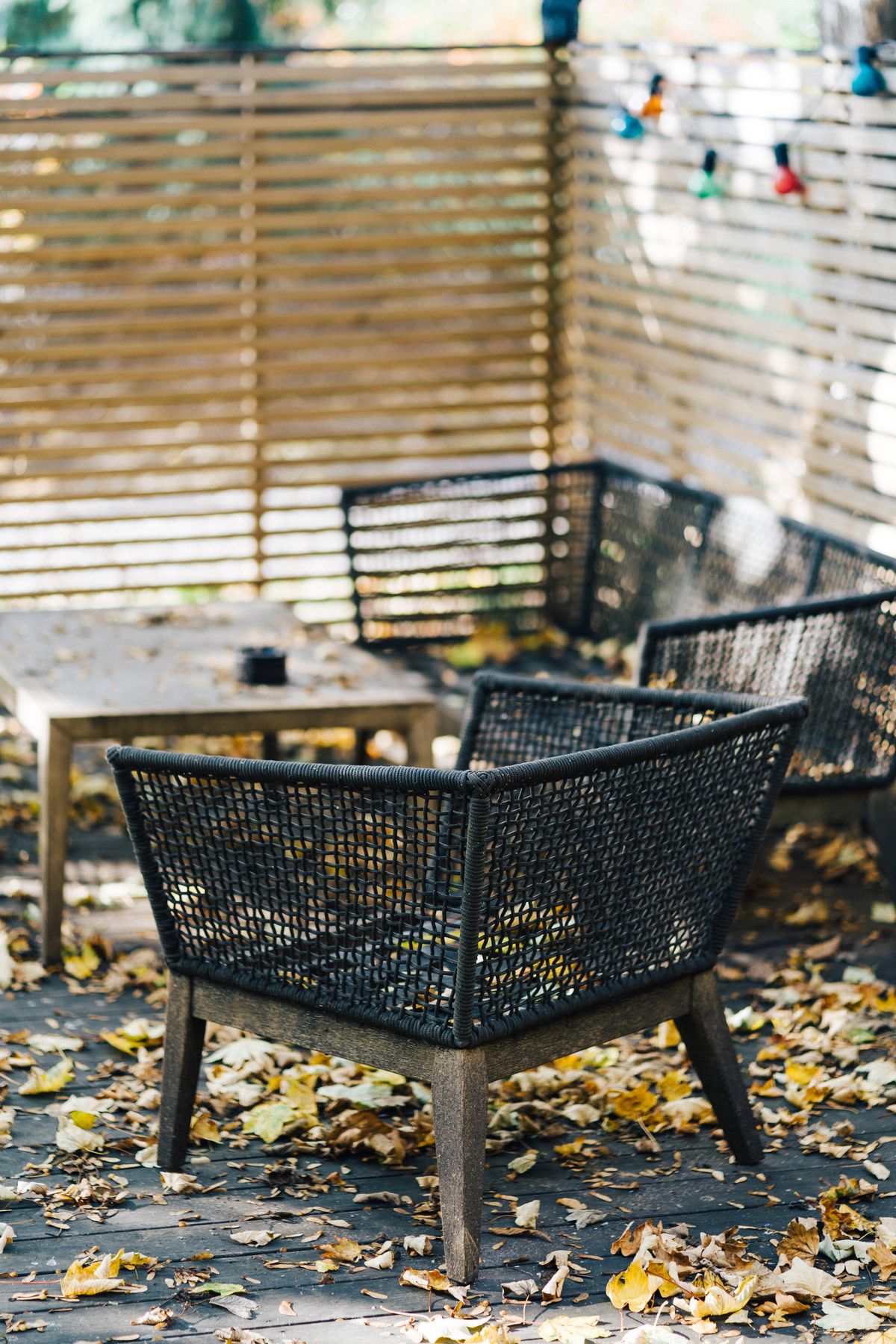
Understand the space before filling it
Check the property's balcony rules, including restrictions on storage, planters and anything attached to railings. If load limits or permitted uses are unclear, ask the building manager or an appropriate professional rather than guessing from the balcony's size.
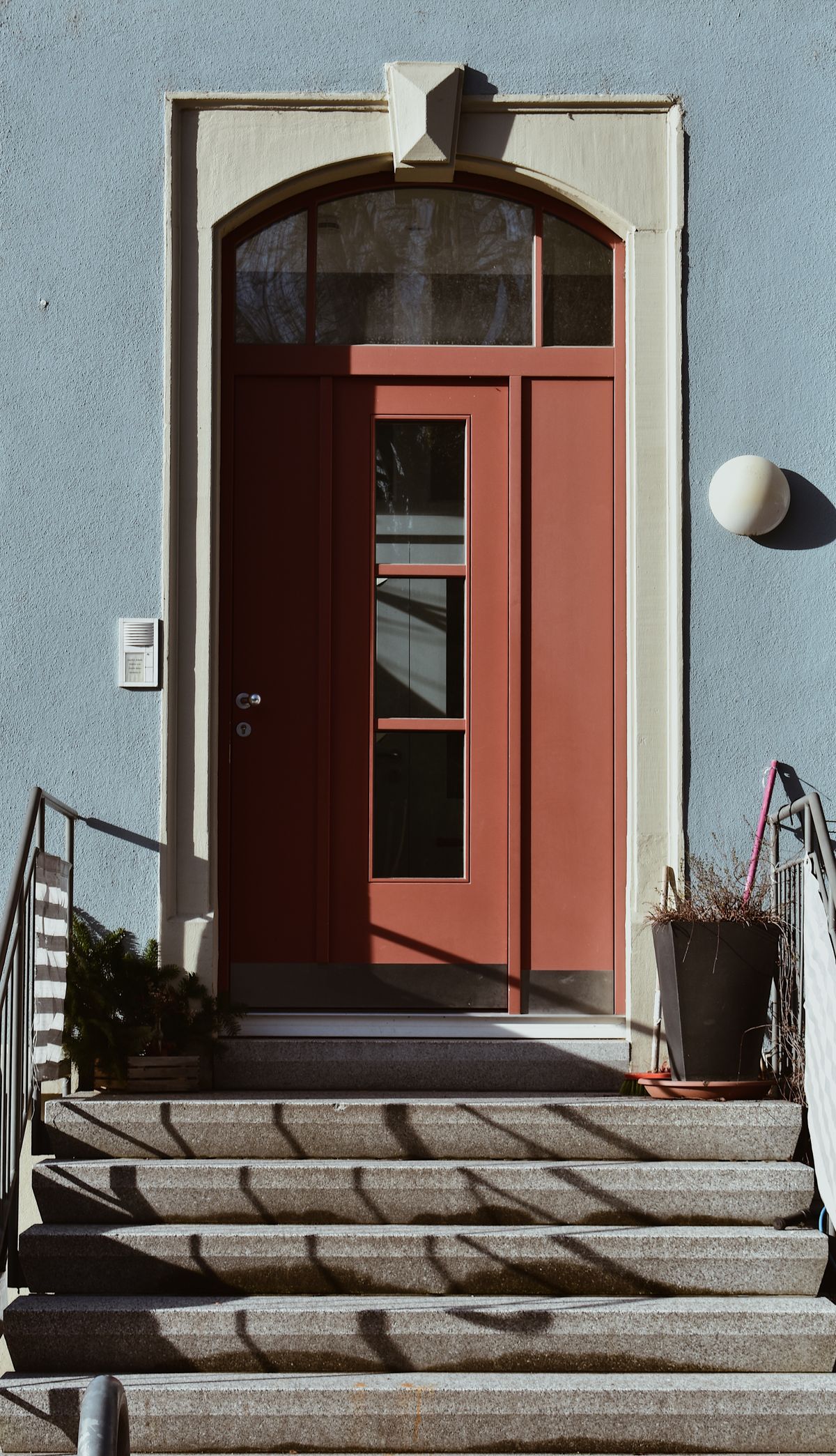
Open the door and identify a clear route in and out. Leave drainage outlets accessible and do not cover them with furniture or floor coverings. Keep objects away from edges where they could fall or be blown off.
Test one seat and one surface
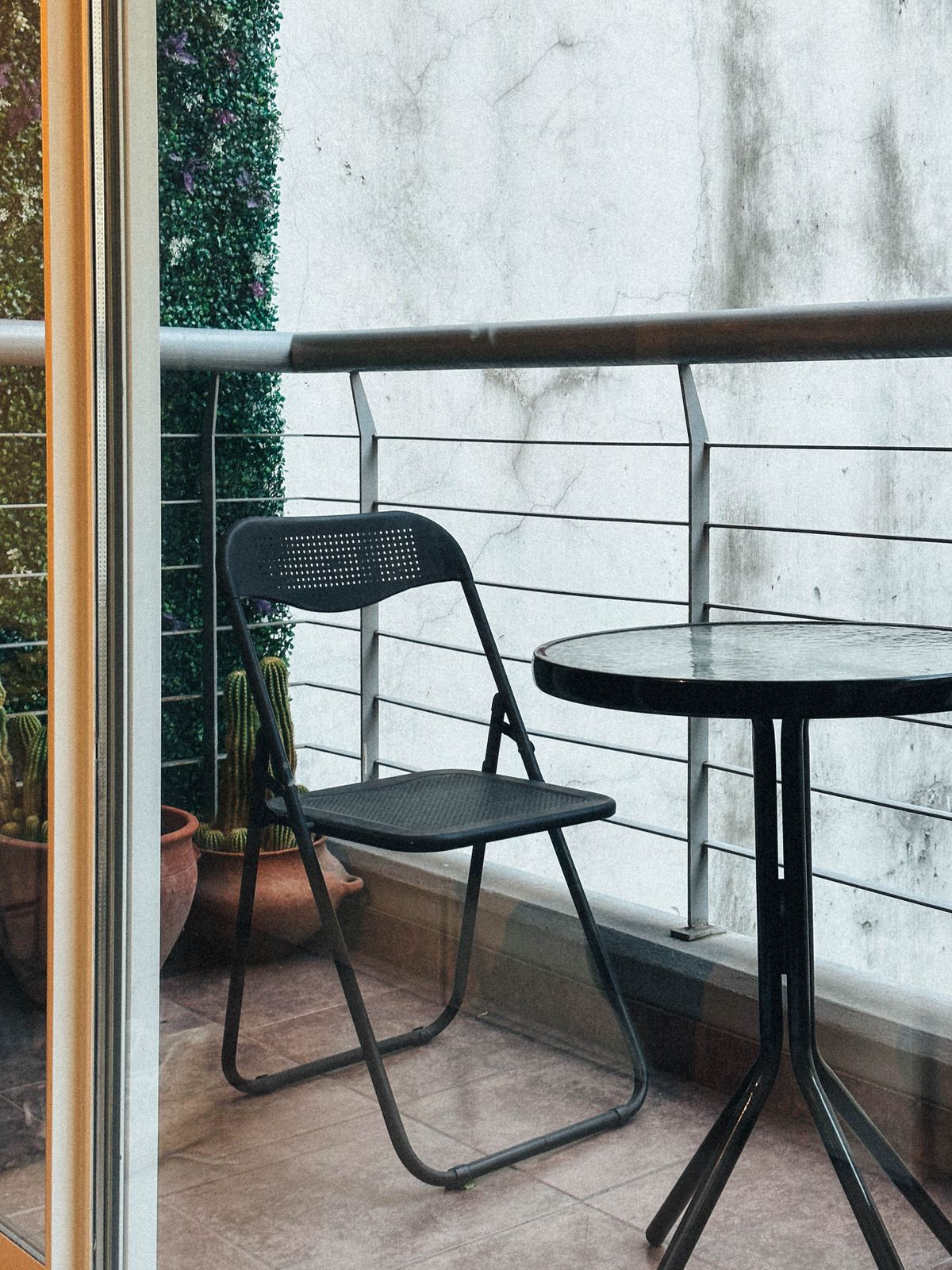
Start with a chair suitable for outdoor use and a small stable surface if permitted. Sit down, stand up and move the chair as you normally would. A layout that works only when everything stays perfectly still is too tightly packed.
Avoid placing furniture where a child could use it to climb near the railing. Do not hang heavy items from the barrier or improvise fixings. Wind exposure may differ greatly from a sheltered garden, so follow product guidance for the actual location.
Add plants cautiously
Use suitable containers within the building's requirements and think about their weight when filled and watered. Keep runoff controlled and away from neighbours. Add fewer pots at first, then judge whether you can water, clean and move around them comfortably. Leave space for ordinary maintenance instead of using every corner as permanent storage.
Before you call it done
- Building rules and load concerns have been checked.
- The door and drainage outlets remain clear.
- Furniture and pots are stable and away from risky edges.
Know the limit. Do not estimate structural capacity or modify balcony barriers. Seek building-specific guidance for loads, fixings and safety requirements.