Home maintenance
Find Where an Internal Door Is Sticking
A door that rubs is not automatically a door that needs planing. Find the contact point and check whether the problem is occasional or persistent before changing anything.
Read the guide ↗Small checks that help a home work better.
29 guides
A door that rubs is not automatically a door that needs planing. Find the contact point and check whether the problem is occasional or persistent before changing anything.
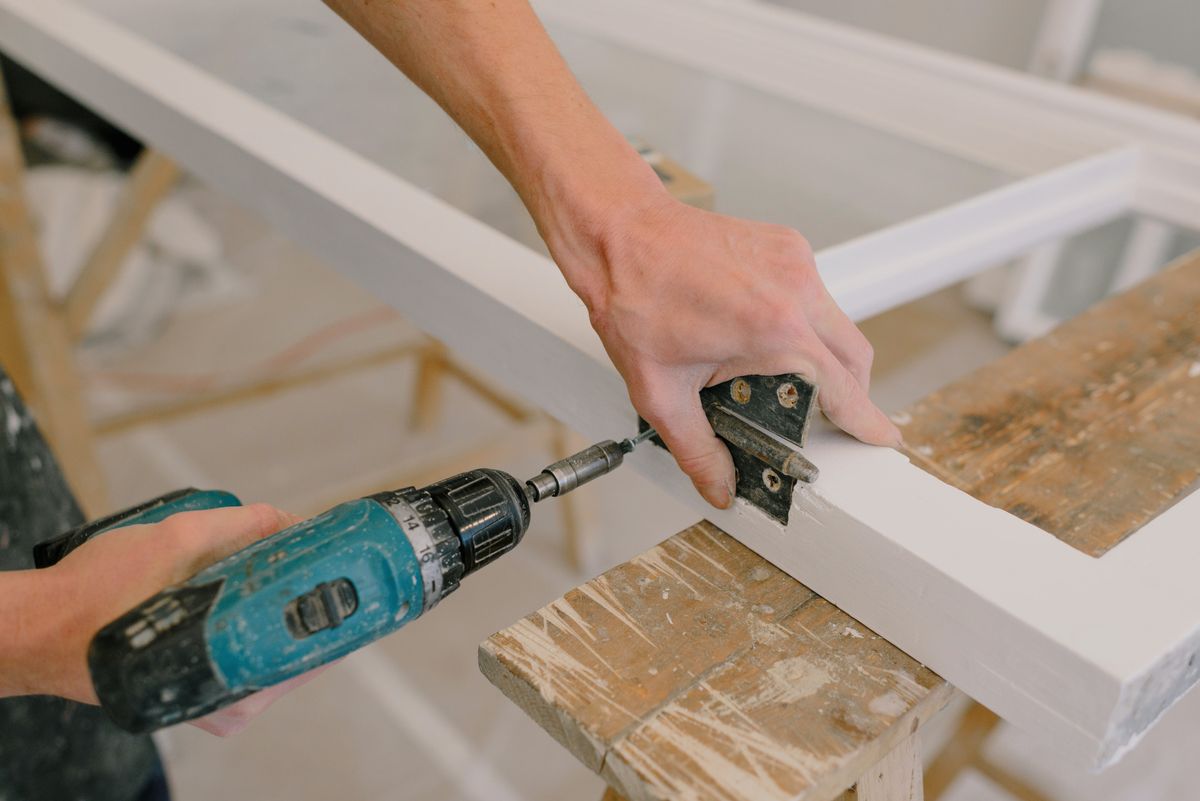
Read the guide ↗Uneven cupboard gaps can make an otherwise tidy kitchen look crooked. Small adjustments may help, but only after you identify the hinge and rule out loose or damaged mounting points.
Read the guide ↗A draught strip works only when it matches the gap and allows the door or window to close normally. Inspect its condition before buying the thickest replacement you can find.
Read the guide ↗Water on the inside of cold glass needs a practical morning routine and an understanding of moisture sources. Wiping helps protect nearby finishes, but it does not explain every damp patch.
Read the guide ↗Rotating a mattress can distribute use, but flipping and rotating are not the same task. Start with its care label so you do not turn a one-sided mattress onto the wrong face.
Read the guide ↗A quick visual check of grout can reveal changes worth reporting before tiles become loose. The aim is to record defects, not to scrape out joints or disguise an unexplained damp problem.
Read the guide ↗Chair pads collect grit and gradually lose adhesion. Replacing a poor pad can protect a floor, but the pad material and the condition of the chair foot both matter.
Read the guide ↗Curtains that catch may have tangled fabric, a damaged glider or a dirty accessible track. Diagnose the snag at a manageable height before spraying lubricant into the mechanism.
Read the guide ↗Loose debris in an accessible window channel is best removed gently. This is a surface-care task, not a reason to dismantle a frame or push tools into concealed drainage routes.
Read the guide ↗A small squeak from an ordinary interior hinge may respond to suitable lubrication. First make sure the noise is actually at the hinge and that the hardware is firmly attached.
Read the guide ↗A dragging drawer may simply be overfilled or have an object caught behind it. Start by reducing the load rather than forcing the runners or pulling the drawer free.
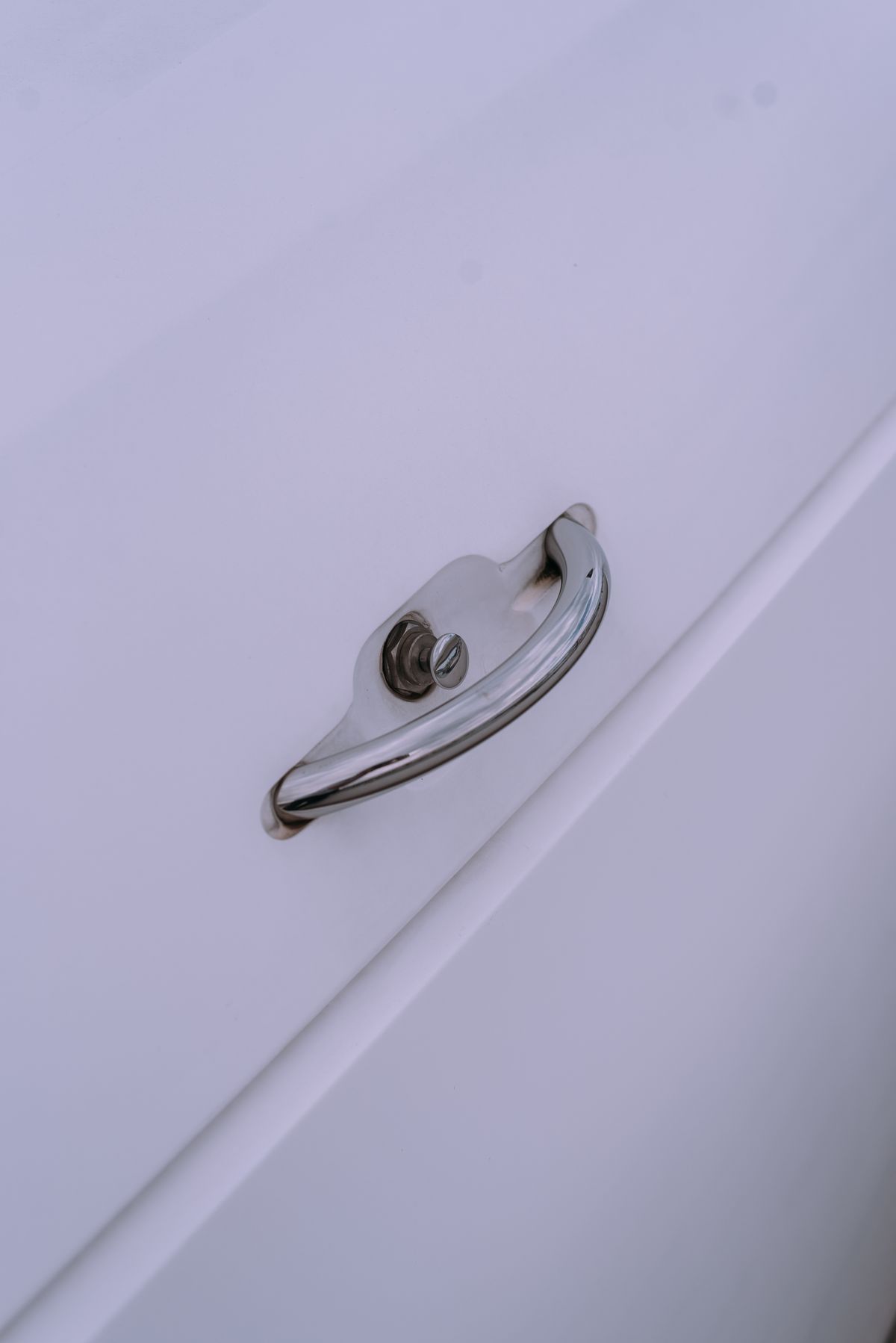
Read the guide ↗A loose handle is often straightforward to snug up, provided its screw and mounting hole are sound. Support both sides so the handle does not spin against the finish.
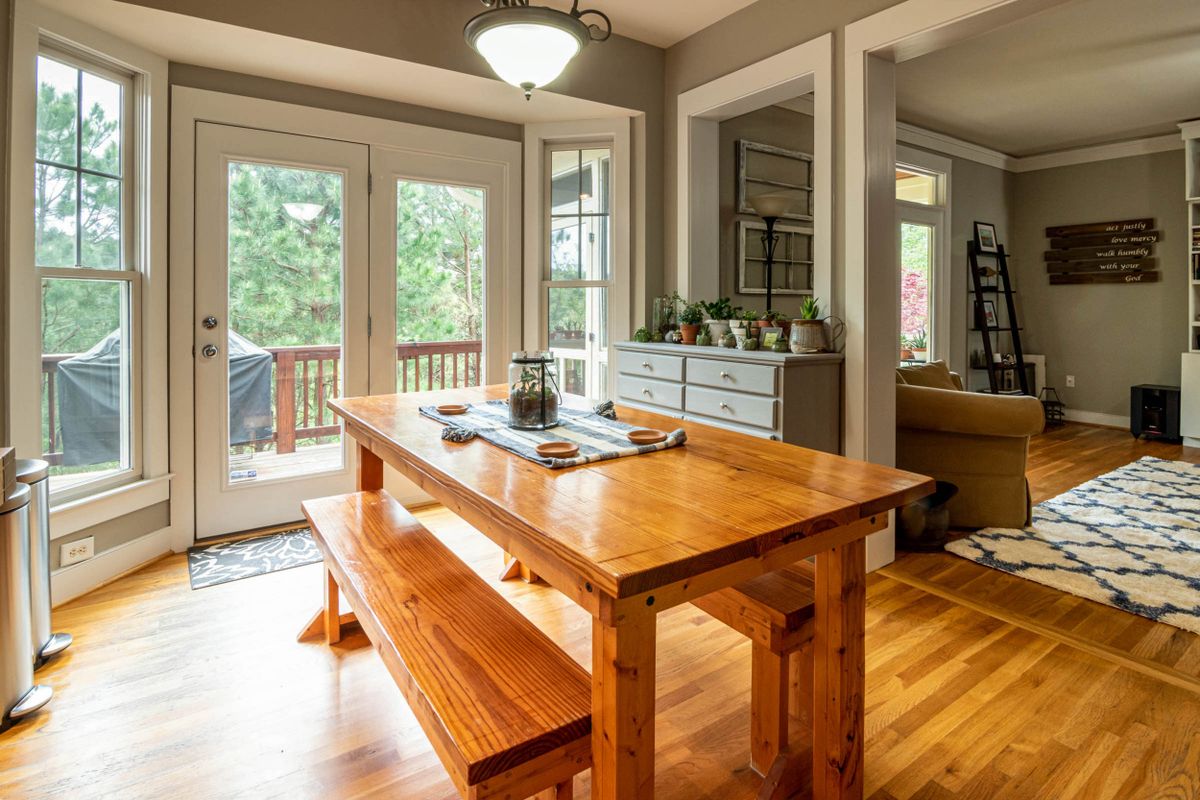
Read the guide ↗Before adding a wedge under a dining table, work out whether the floor, adjustable feet or table joints are responsible. A table that rocks on sound legs is different from one whose frame is loose.
Read the guide ↗Different cushion fillings need different treatment. A little routine care can keep removable cushions looking more even, but vigorous beating or flipping may be wrong for a particular design.
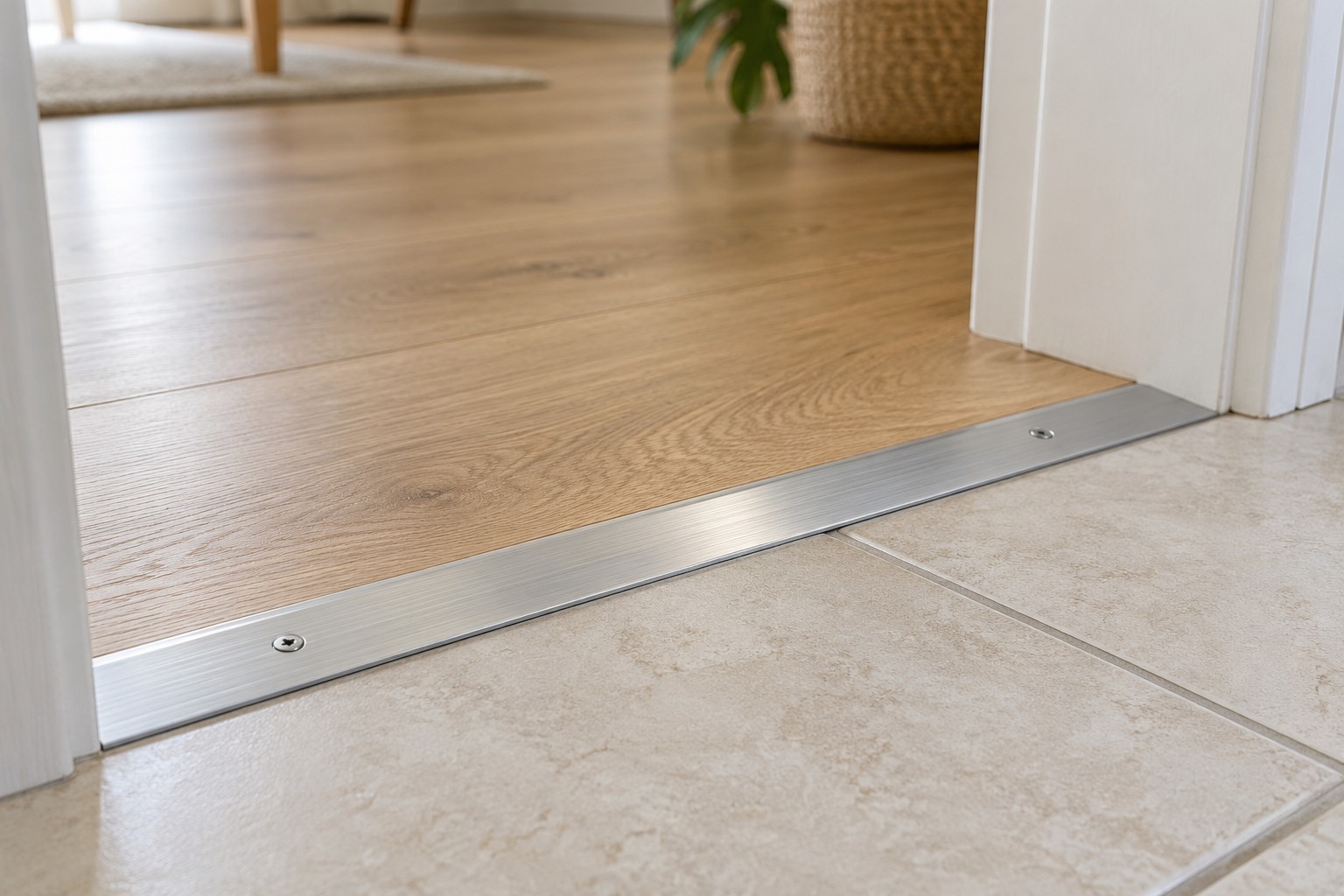
Read the guide ↗A raised or shifting threshold can catch a shoe long before it looks badly damaged. Inspect it in good light and keep the area clear while deciding who should repair it.
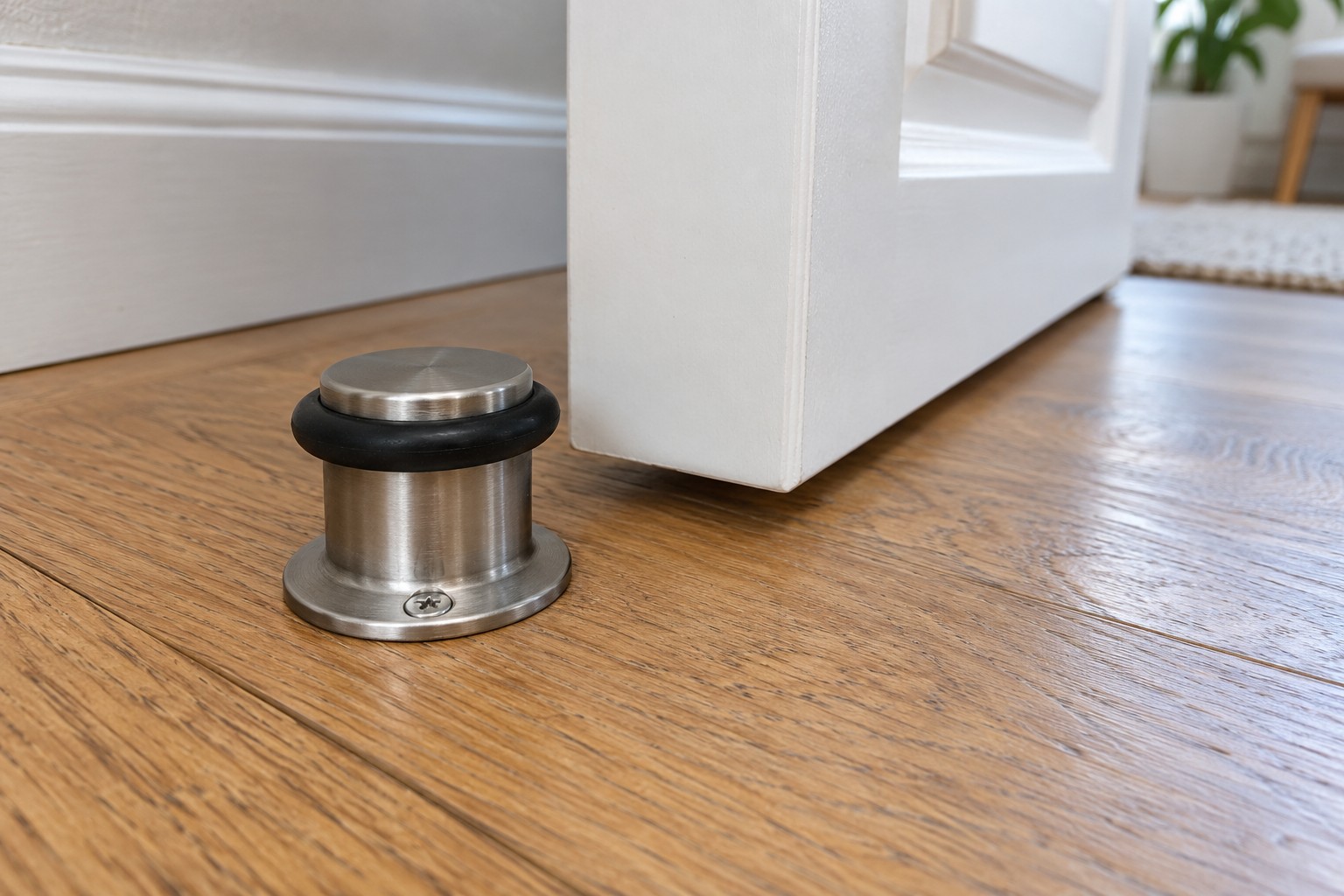
Read the guide ↗A worn bumper can let a handle strike paintwork or furniture. Replacing it is useful only if the stop is in the correct position and the door still has its required movement.
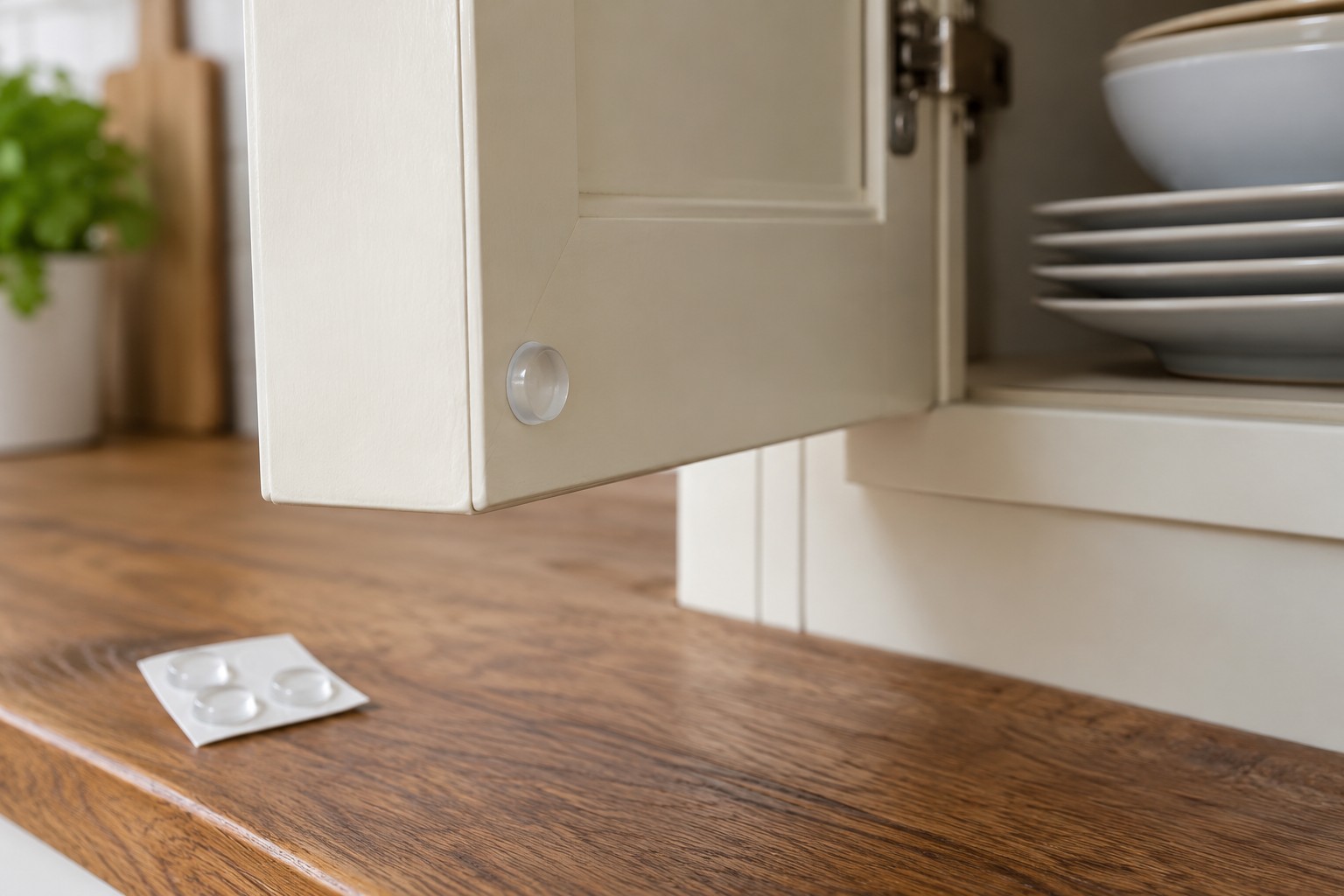
Read the guide ↗Small pads soften the final contact of a cupboard door and protect its finish. When one goes missing, matching the remaining pads is usually better than adding a thick layer at random.
Read the guide ↗A squeak can come from a frame joint, a slat or contact with the floor. A calm inspection of an unloaded bed is more useful than bouncing on it to make the noise louder.
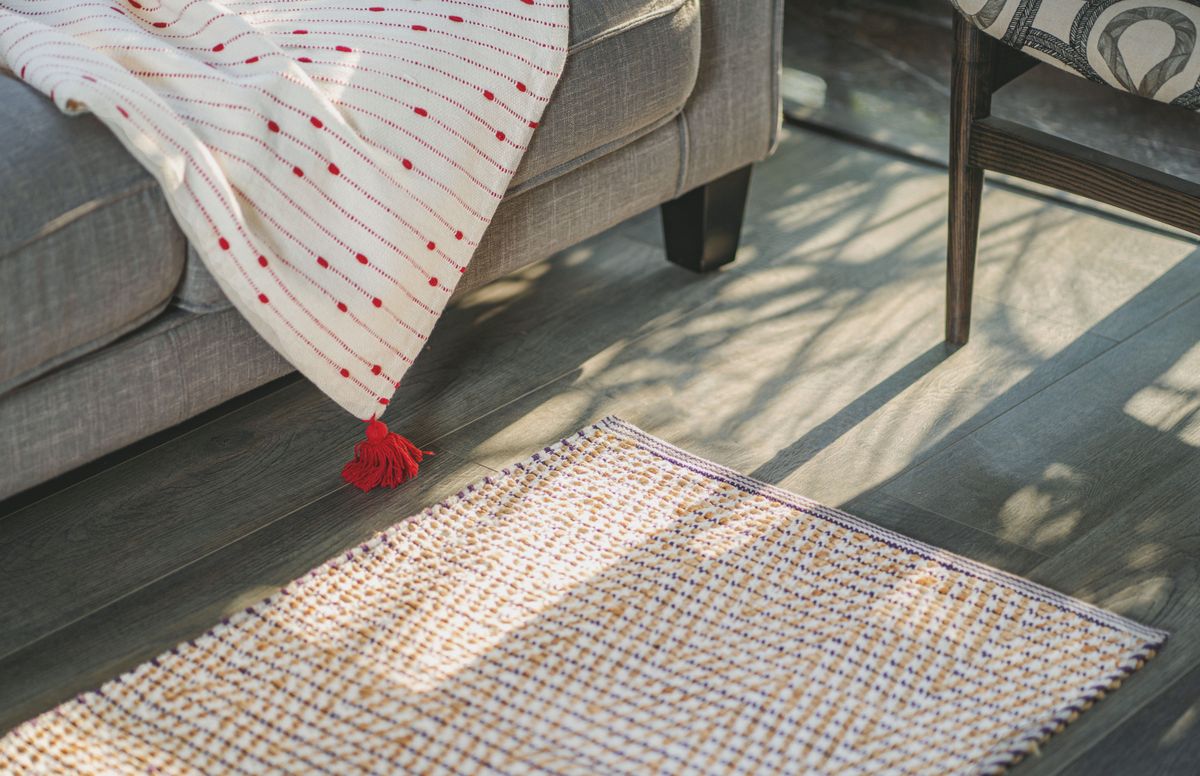
Read the guide ↗A rug that creeps or curls is inconvenient and can become a trip hazard. The right underlay depends on both the rug and the floor, not simply the promise of extra grip.
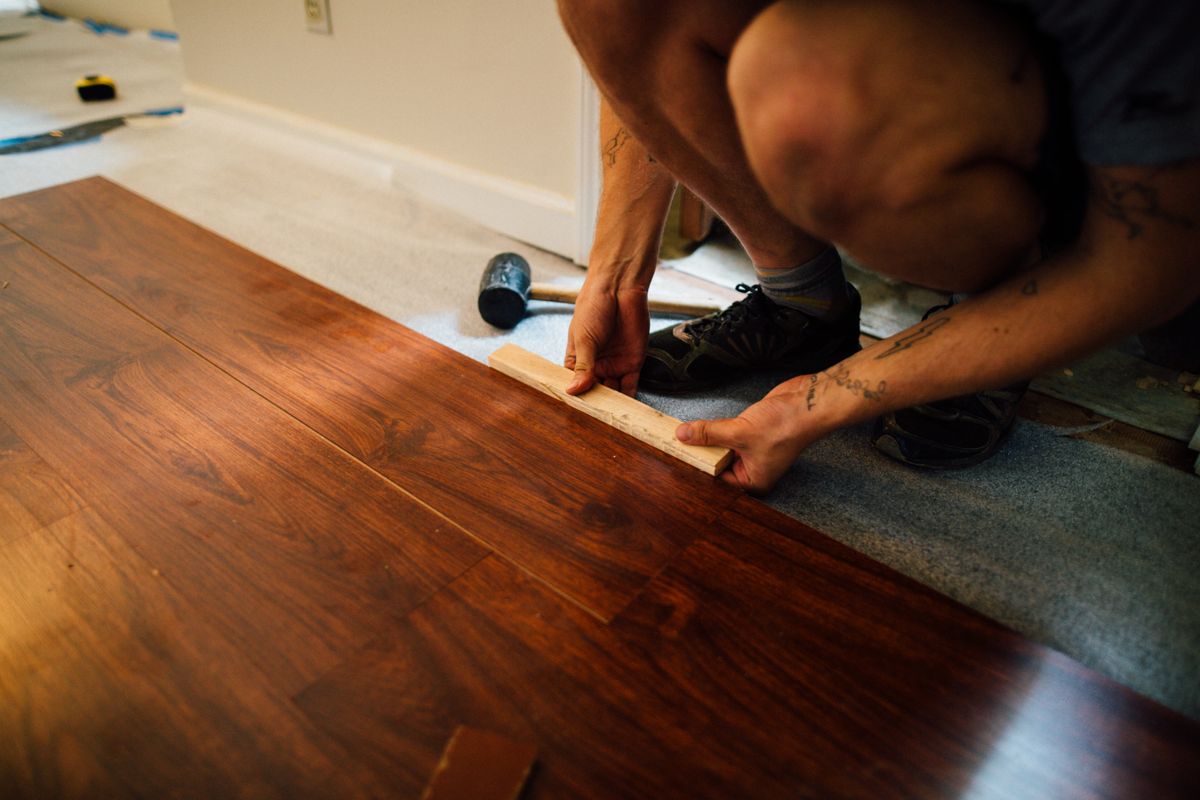
Read the guide ↗A lifted flooring edge is worth recording early. Avoid pressing, sanding or gluing it flat until you know whether it reflects local moisture, damaged joints or a wider installation issue.
Read the guide ↗Kitchen worktop joints see repeated splashes, especially beside sinks. A regular visual check can identify swelling or gaps before everyday wiping hides a persistent problem.
Read the guide ↗Sealant around a bath or shower can look intact from a distance while separating at an edge. Check it visually rather than pulling at it to see how firmly it is attached.
Read the guide ↗A stiff handle is a reason to pause, not to add leverage. Check the normal closing position and visible obstructions before treating an unfamiliar window mechanism.
Read the guide ↗A snagging blind may have a bent slat, crossed ladder cord or an obstruction at the sill. Keep the inspection at a comfortable height and leave safety devices in place.
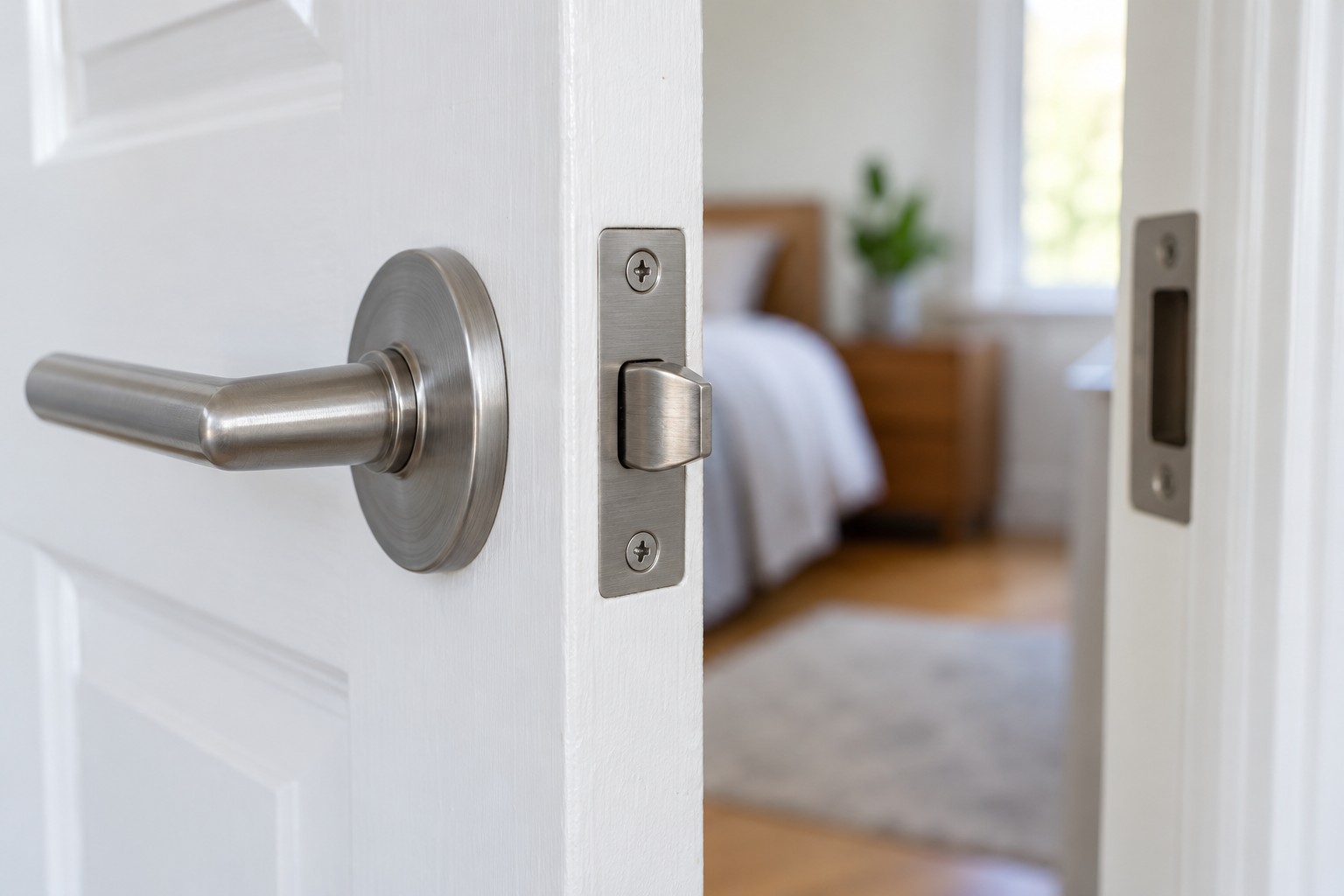
Read the guide ↗When an interior door will not latch, the latch may be working but missing its keep. Observe the contact gently before filing metal, moving plates or changing the door.
Read the guide ↗A dining chair should feel stable before anyone sits down. A visual check can distinguish a loose assembly fixing from an opening timber joint that needs a proper repair.
Read the guide ↗A bowed shelf is a signal to reduce its load and inspect its supports. Adding a decorative bracket or turning the shelf over may hide the shape without solving the cause.
Read the guide ↗Sunlight can change the colour of wood, fabric and other finishes unevenly. A few layout choices can reduce sharp contrasts without turning the room into a permanently dark space.
Read the guide ↗A useful move-in record is specific enough to revisit later. Photographs, short descriptions and working-condition notes are more helpful than a folder full of unexplained close-ups.
Read the guide ↗Try fewer words or choose another topic.